






Phase-Trajectory Identification
The system analyzes RFID tag phase trajectories to determine whether tagged items are entering or leaving the monitored area.
Simultaneous Entry and Exit Detection
It can distinguish entry and exit directions when multiple RFID tags move through the access area at the same time.
Stray-Read Filtering
The system controls unintended RFID reads around the entrance and supports up to six EPC filtering rules.
No On-Site Direction Adjustment
The page states that the device can be used after installation without repeated on-site direction or parameter adjustment.
Multi-Tag Processing
It supports batch RFID tag reading and writing, with a stated identification speed of more than 500 reads per second.
Ceiling-Mounted Design
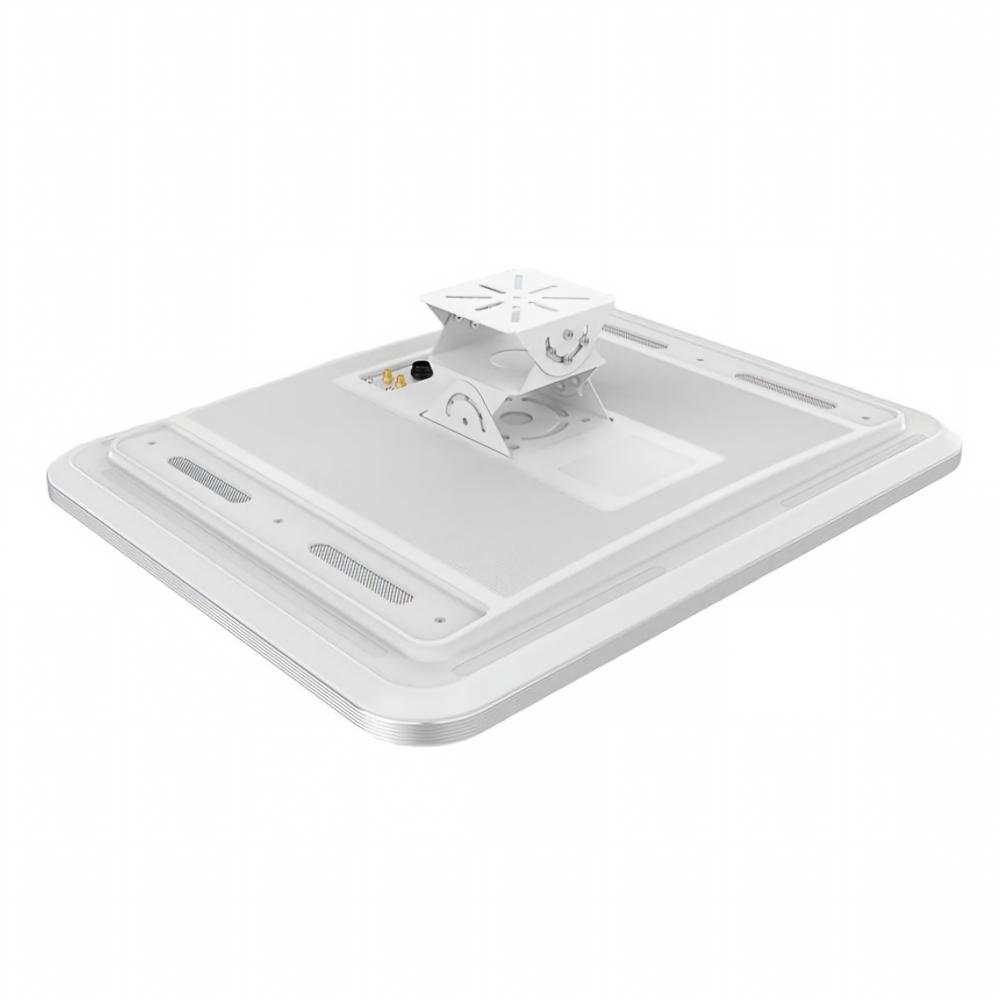
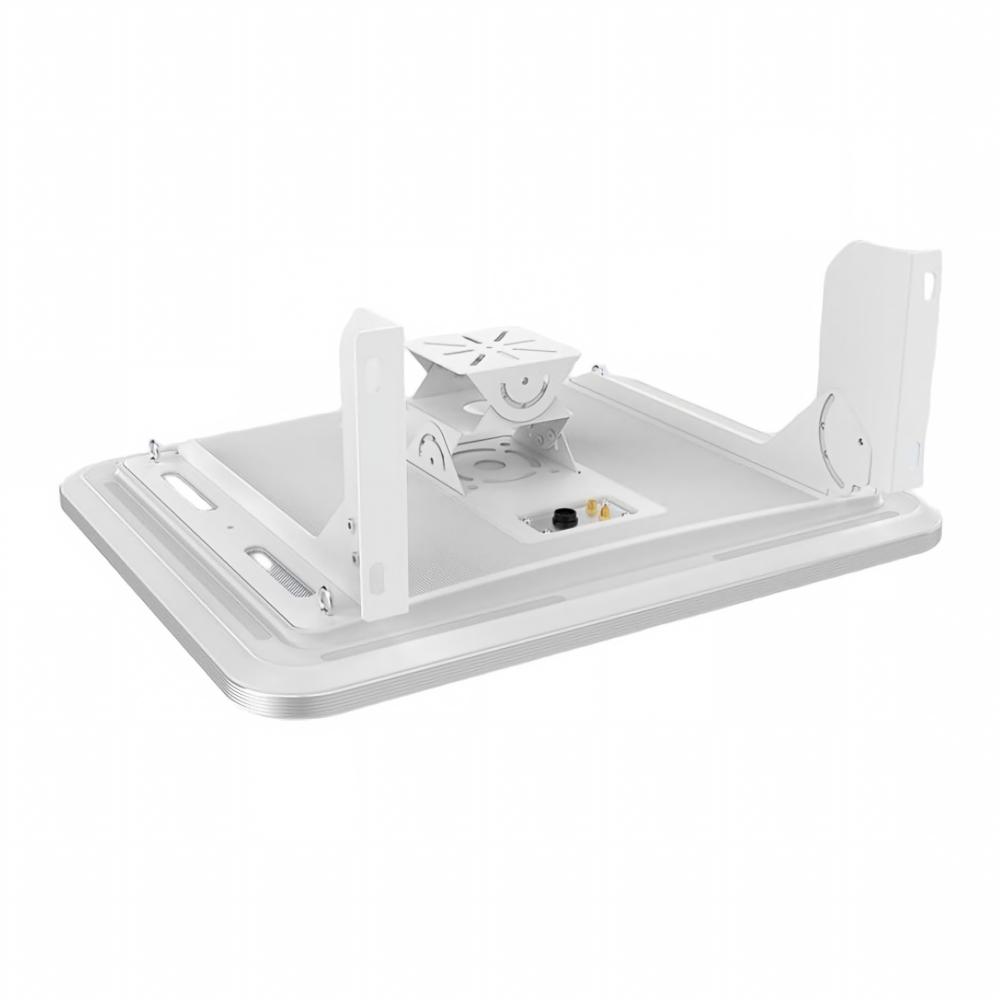
The device can be installed on the ceiling using a top-mount bracket, side-mount bracket, or suspension cable, without occupying passage floor space.
Audible and Visual Alarm
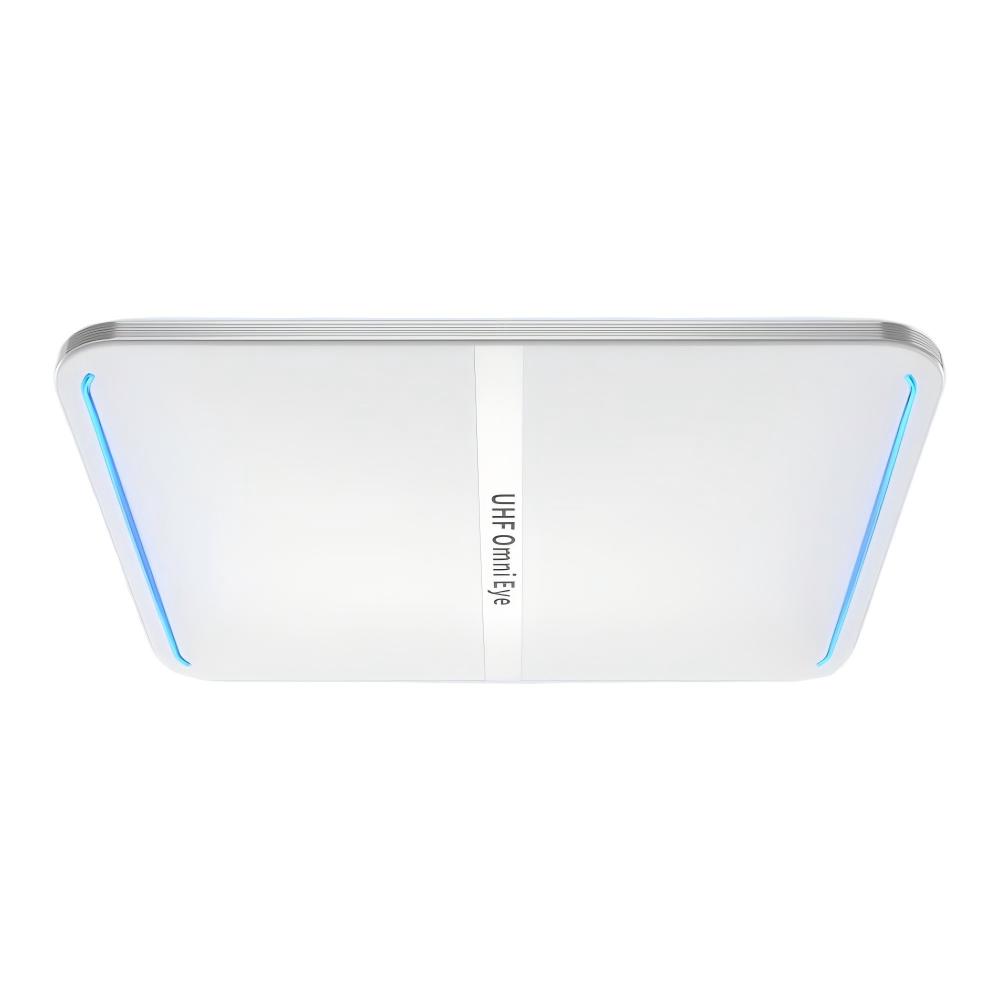
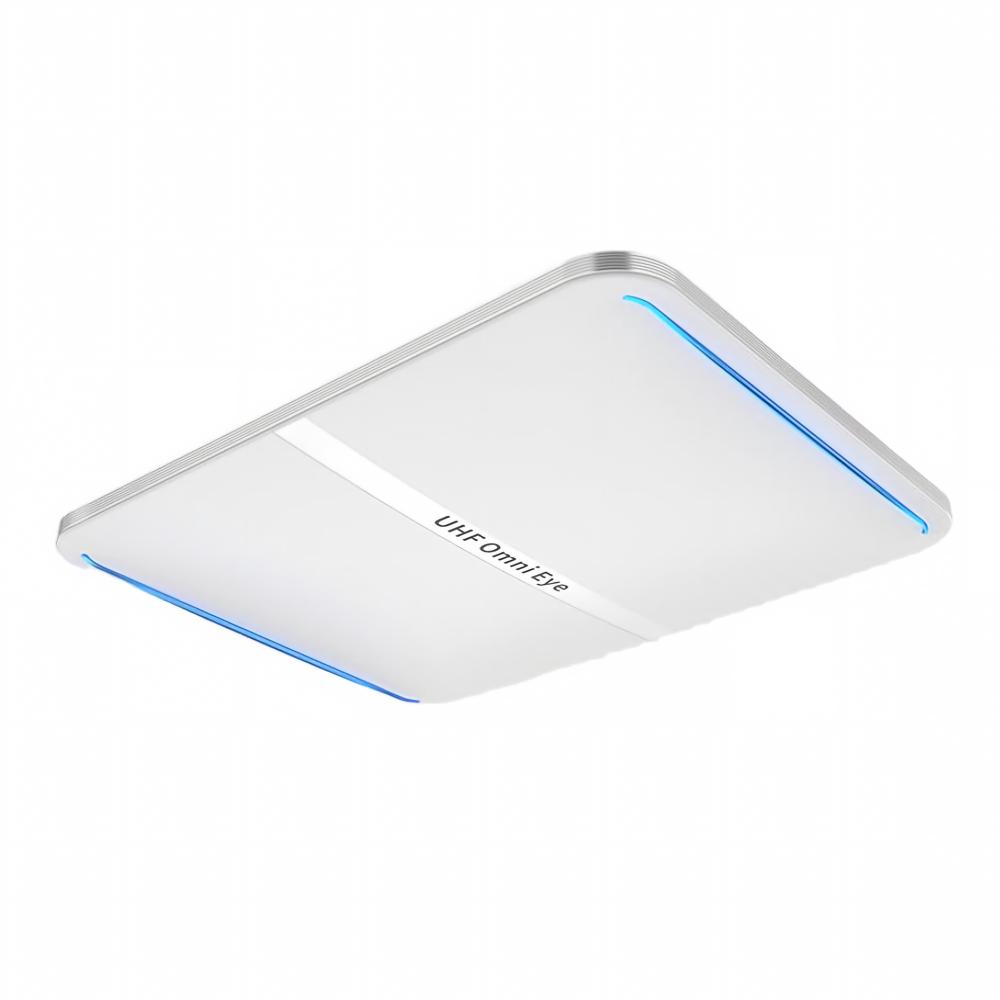
A built-in buzzer and red-and-blue light strips can be controlled for audible and visual alarm notifications.
Operating-Status Monitoring
The system supports access-control operating-status reporting and can automatically report internal hardware component faults.
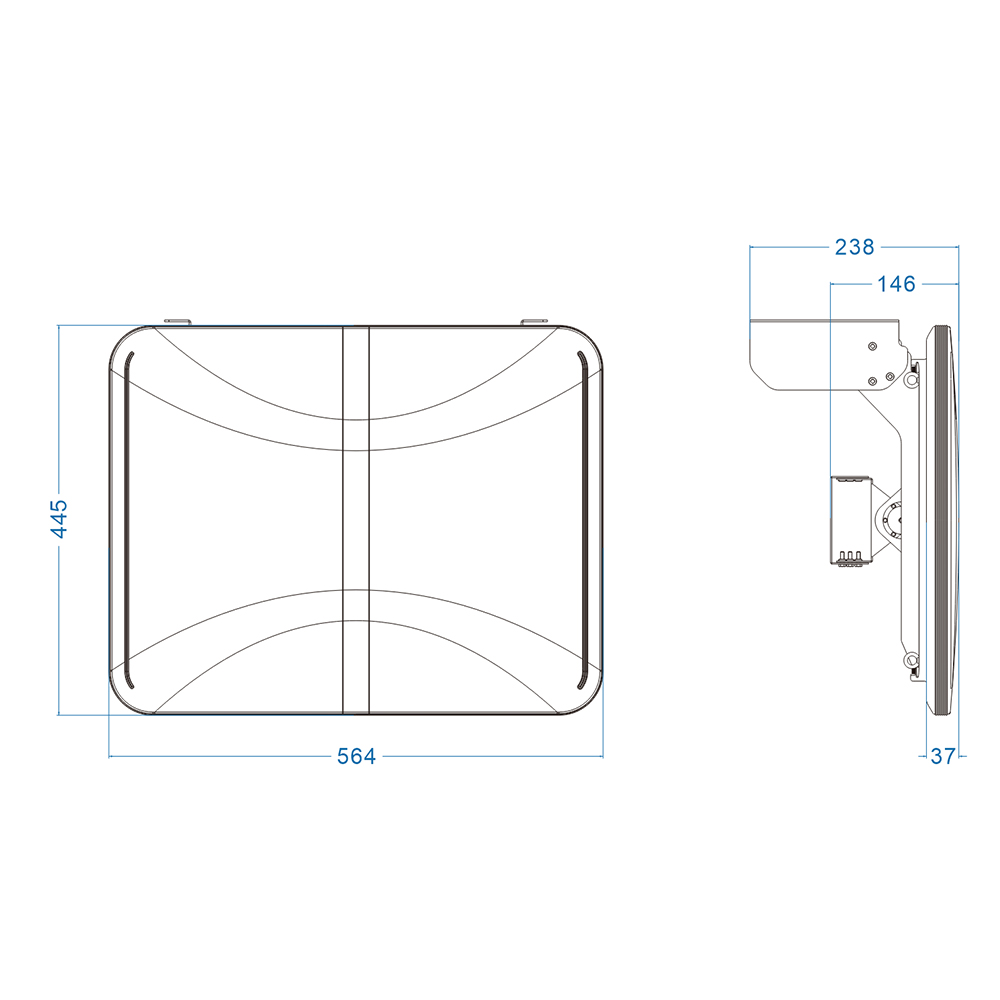
This AI-powered ceiling-mounted UHF RFID access control system uses an ultra-thin structure with multiple built-in narrow-beam antennas. Based on AI algorithms and a multi-transmit, multi-receive mechanism, it analyzes RFID tag movement and identifies entry and exit directions in dynamic multi-tag environments.
The system determines entry and exit status by analyzing RFID tag phase trajectories. It does not rely on signal strength, infrared sensors, radar, or visual recognition for directional judgment.
It supports simultaneous entry and exit identification, stray-read filtering, batch tag processing, ceiling installation, audible and visual alarms, offline data retransmission, and communication through TCP, HTTP, and MQTT.
UHF RFID
The stated identification speed depends on tag performance and orientation, item material and quantity, and movement speed.
Passage Coverage
Data and Communication
Physical Specifications
Development Support
Frequently Asked Questions
How does this RFID access control system determine entry and exit direction?
It analyzes RFID tag phase trajectories and the movement process of tags to determine whether tagged items are entering or leaving.
Does it require infrared sensors, radar, or cameras?
No. The page states that directional judgment does not depend on infrared sensors, radar, visual recognition, or signal-strength-based judgment.
Can it identify multiple tags entering and leaving simultaneously?
Yes. It supports multi-tag processing and can distinguish entry and exit directions when multiple tags move through the monitored area together.
What passage width can the system cover?
It supports a passage width of up to 3 m without auxiliary antennas and up to 6 m with two additional auxiliary antennas.
What communication protocols does it support?
It supports TCP, HTTP, and MQTT, with wired Ethernet as standard and Wi-Fi available as an option.
Does it support cloud management and offline data retransmission?
Yes. It supports MQTT-based centralized cloud management and can retransmit stored data after a network interruption.
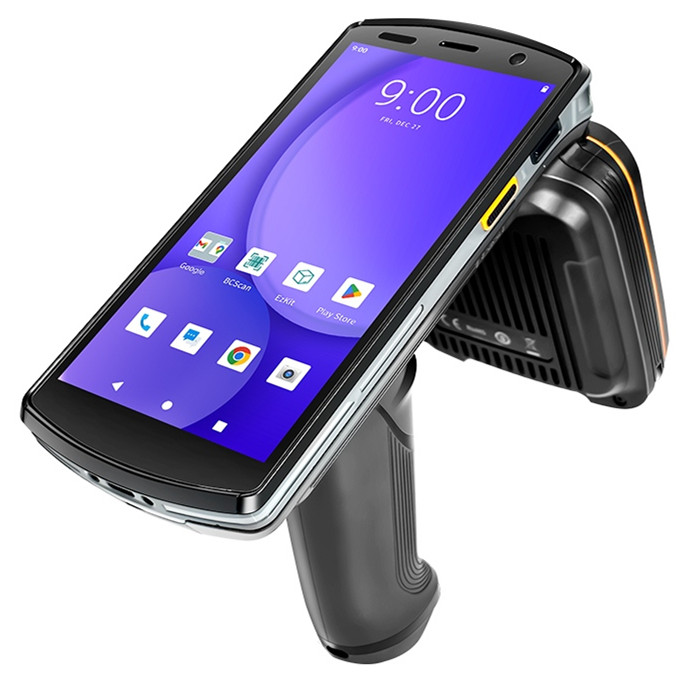
Outstanding RFID Performance - Ultra-fast, Accurate and Smooth - The industry-leading integrated Impinj E710 chip delivers 10% faster and smoother tag reading than the last generation product. - The Al-Ti alloy material can quickly cool down the temperature when overheated, ensuring the device is speedier than ever!
Read More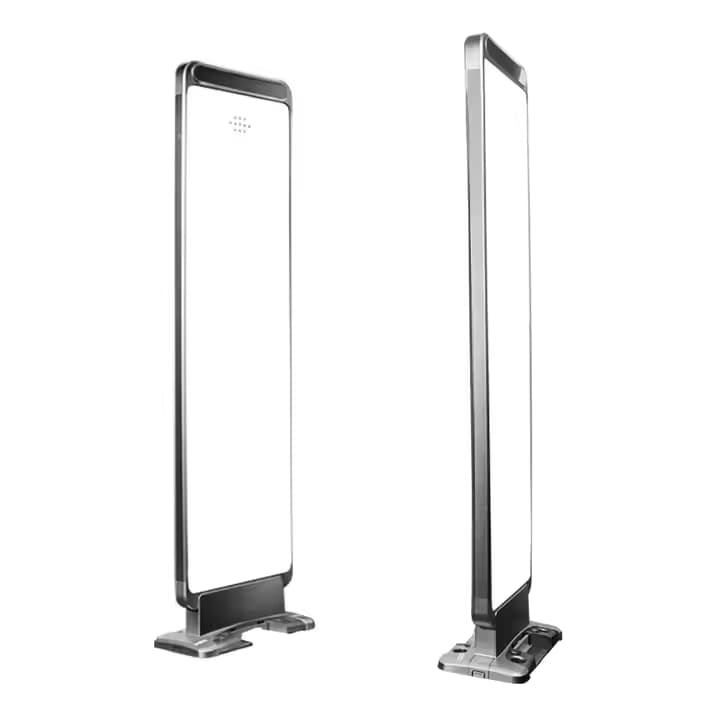
The FYJ F2102 RFID anti-theft security door enables automated theft prevention for retail stores, featuring real-time infrared direction detection, EAS alarm filtering rules, and batch RFID tag scanning to secure high-traffic exits seamlessly.
Read More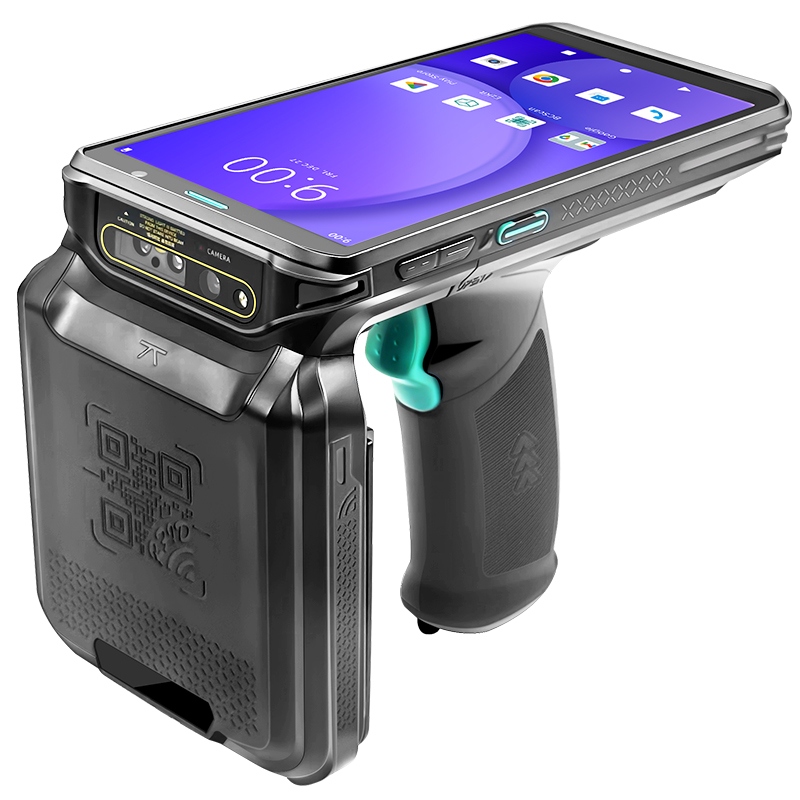
This FYJ F9826R rugged industrial UHF RFID handheld reader delivers an exceptional 15-meter reading range and rapid 1300 tags/sec capture, powered by a long-lasting 10000mAh hot-swap battery for demanding all-day inventory and asset tracking.
Read More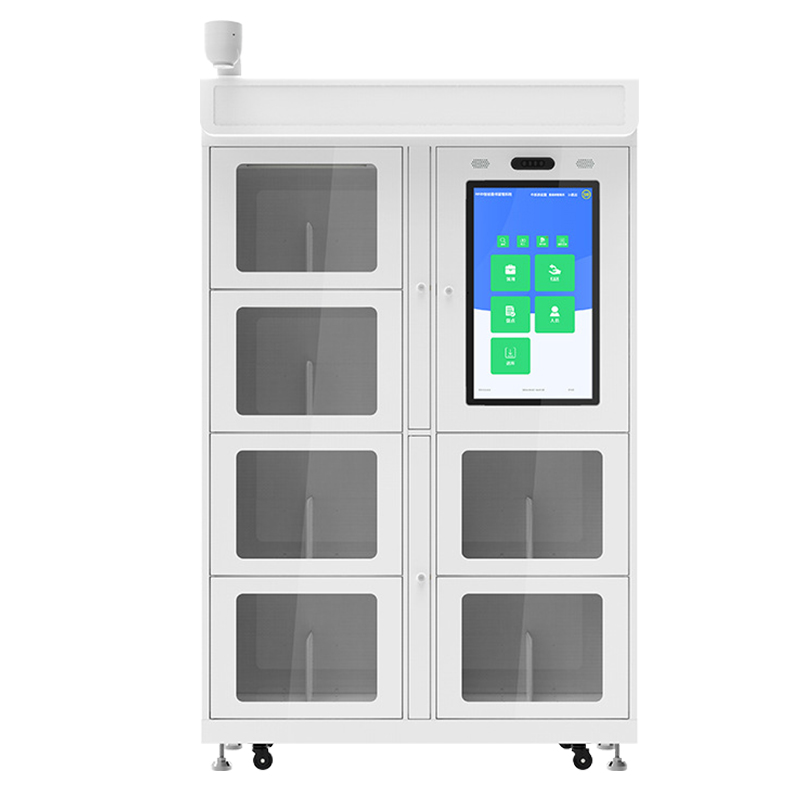
The F-R710 RFID Confidential Document Cabinet delivers military-grade security for government archives and classified storage, featuring real-time tracking of sensitive assets via UHF RFID technology (840-960MHz) and automated access control with audit-ready logs. Its UL-certified construction, tamper-proof alerts, and compartment-level precision ensure 100% accountability for critical documents, emergency keys, and hazardous material records while meeting SARA III compliance for first responder accessibility.
Read More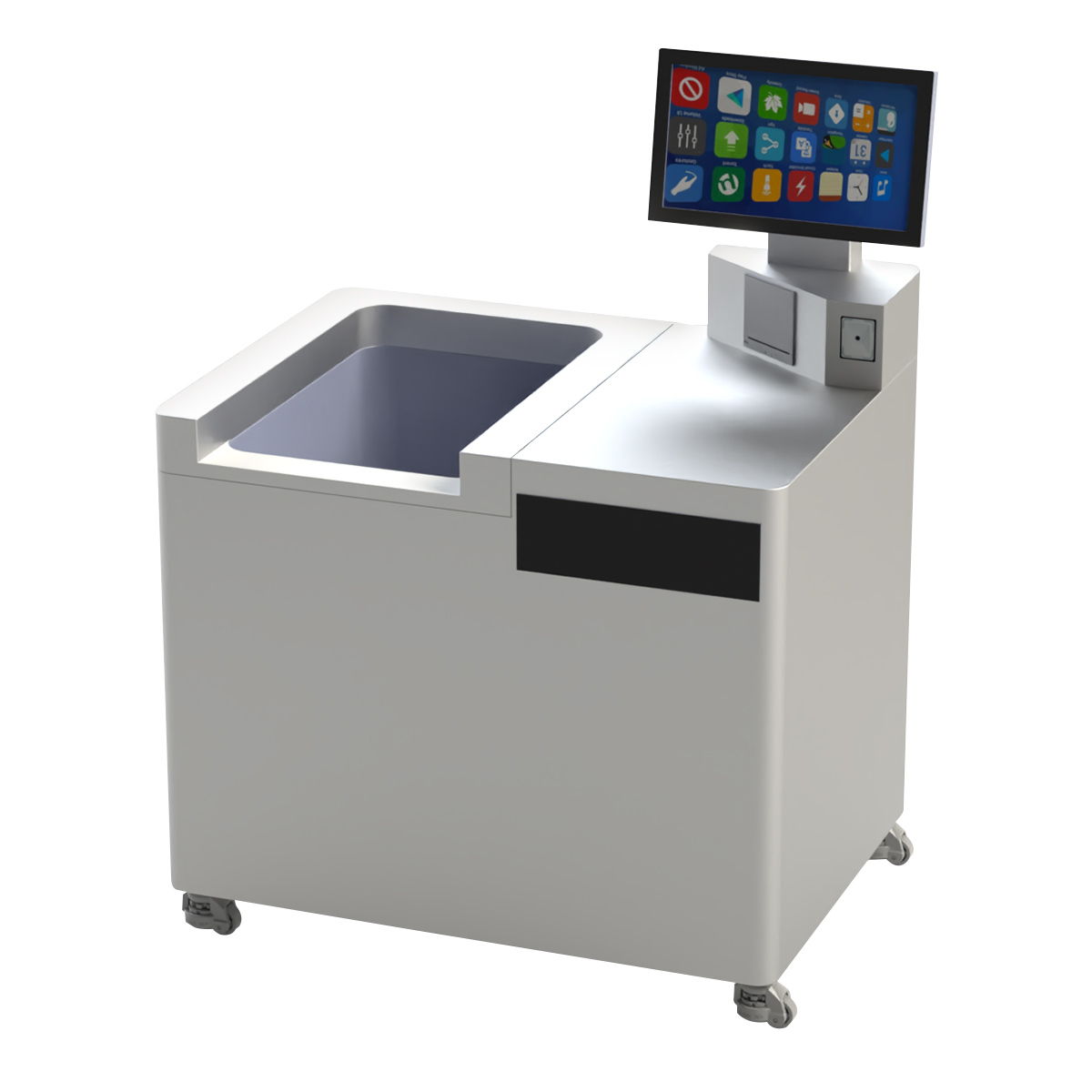
This device is mainly used in smart retail and other scenarios for settling payments of products with RFID tags.When products with RFID tags are placed in the smart recognition basket, the checkout computer screen displays the product name, quantity, price, and payment information. Customers can complete batch checkout for all purchased items.Product Features:1.Supports simultaneous scanning of ≥20 items, significantly improving checkout efficiency.2.External PC/Industrial Computer Connectivity.3.Requires connection to a computer or industrial panel PC via Ethernet (RJ45) / Serial Port (RS232) for data exchange.
Read More
This device is primarily designed for smart retail scenarios, enabling automated checkout for products equipped with RFID tags. When items with RFID tags are placed inside the smart recognition basket, the connected computer screen instantly displays the product name, quantity, price, and payment details, allowing customers to batch-process their purchases.
Read More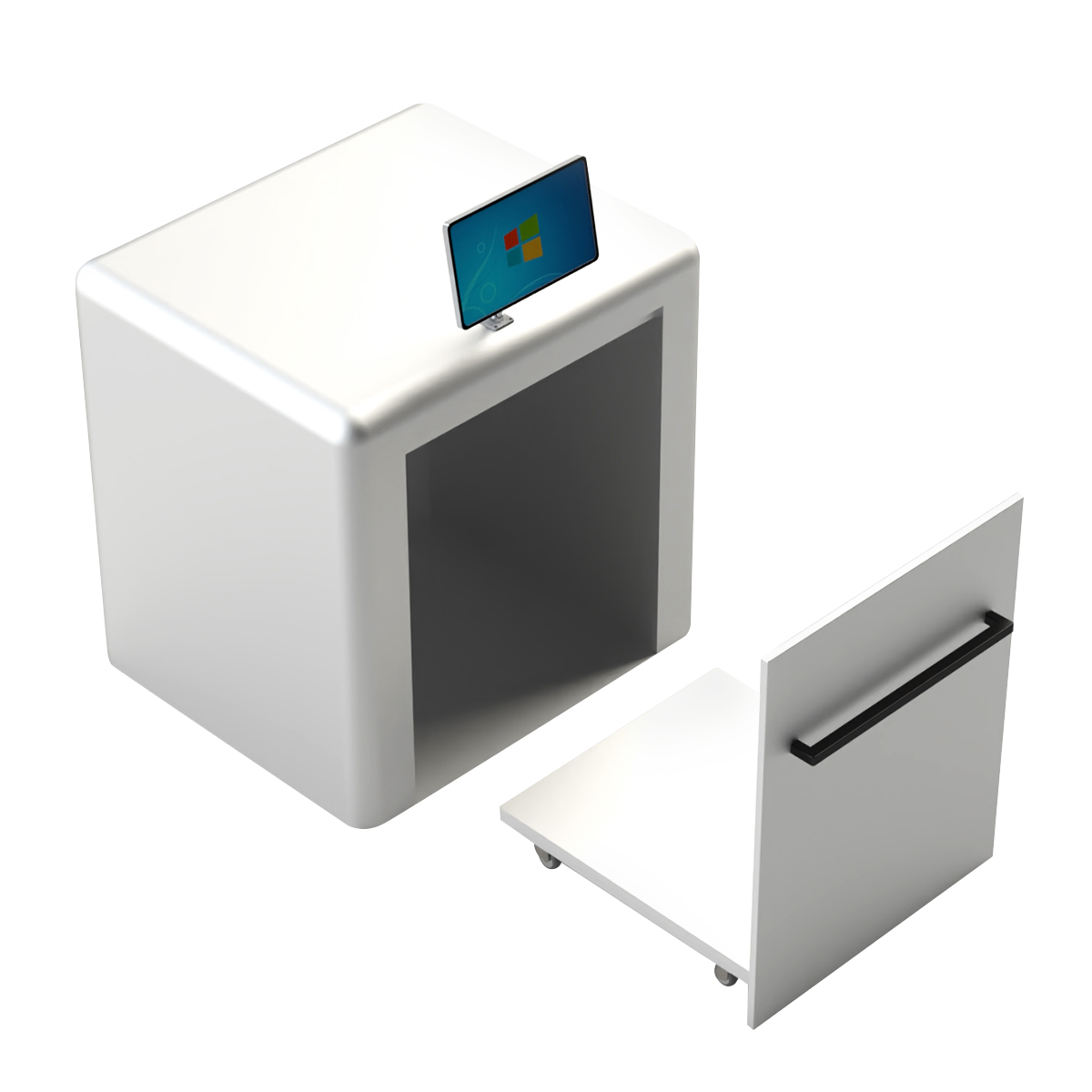
Features: 1.Bulk Inventory Management Terminal for Apparel Warehousing 2.Interactive 21-inch HD touchscreen with Ethernet data transfer support 3.Ergonomic all-in-one design with an intuitive interface for easy operation 4.High-performance UHF RFID technology enables multi-tag scanning (300+ items per read), boosting checkout speed
Read More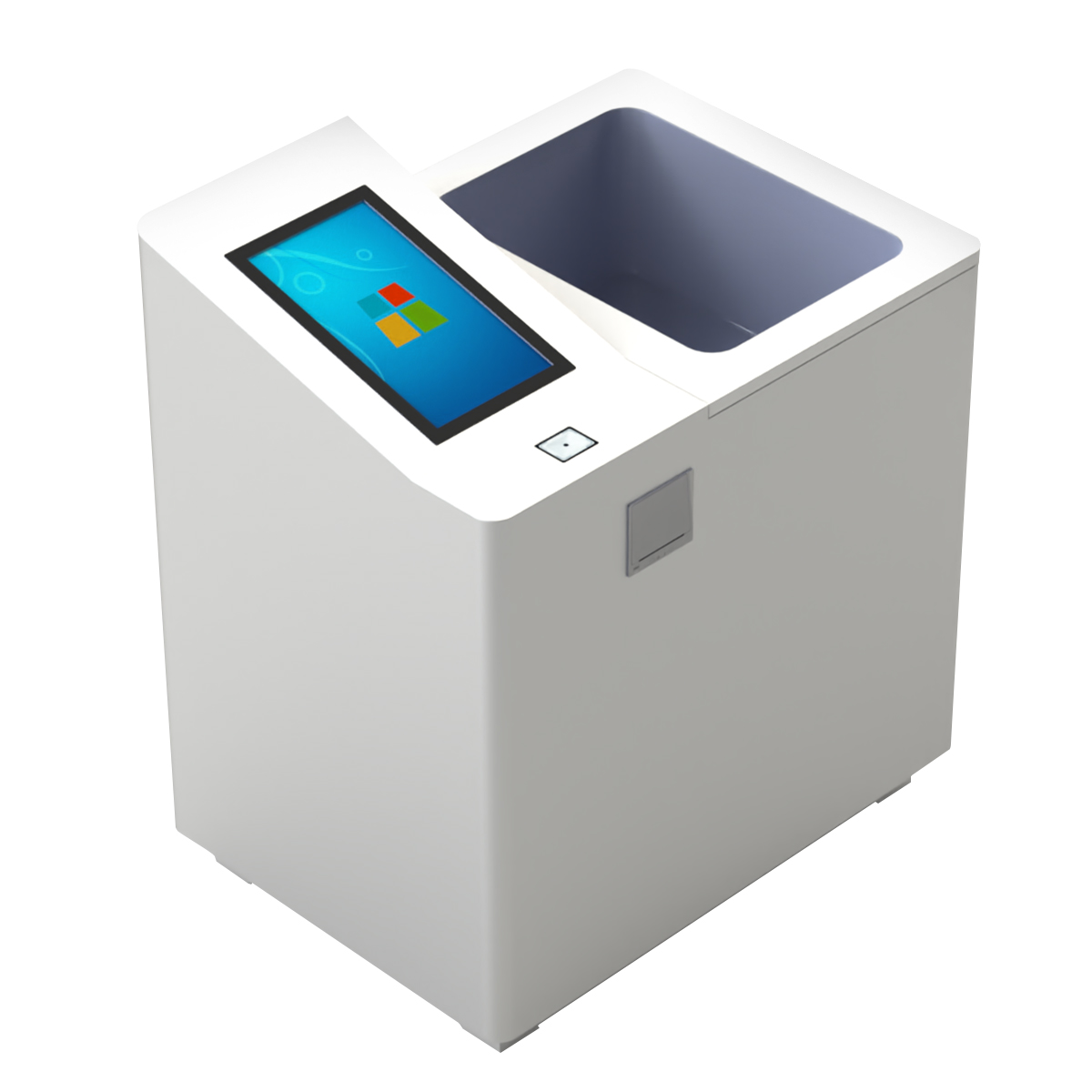
This device is mainly used in smart retail and other scenarios for settling payments of products with RFID tags.When products with RFID tags are placed in the smart recognition basket, the checkout computer screen displays the product name, quantity, price, and payment information. Customers can complete batch checkout for all purchased items. Product Features:1.Supports simultaneous scanning of ≥20 items, significantly improving checkout efficiency. 2.External PC/Industrial Computer Connectivity. 3.Requires connection to a computer or industrial panel PC via Ethernet (RJ45) / Serial Port (RS232) for data exchange.
Read More
FYJ-TC-1 Intelligent Mobile Cart is a smart workstation compliant with the GB/T 29768-2013 / EPC Class 1 Gen 2 (ISO 18000-6C) protocol standards. Equipped with RFID smart identification technology, it enables mobile self-service borrowing and returning functions. This product can be deployed in indoor environments or secure semi-outdoor open spaces, supporting inventory management, item tracking, and other operations. The device offers stable performance and features a user-friendly, efficient human-machine interface.
Read More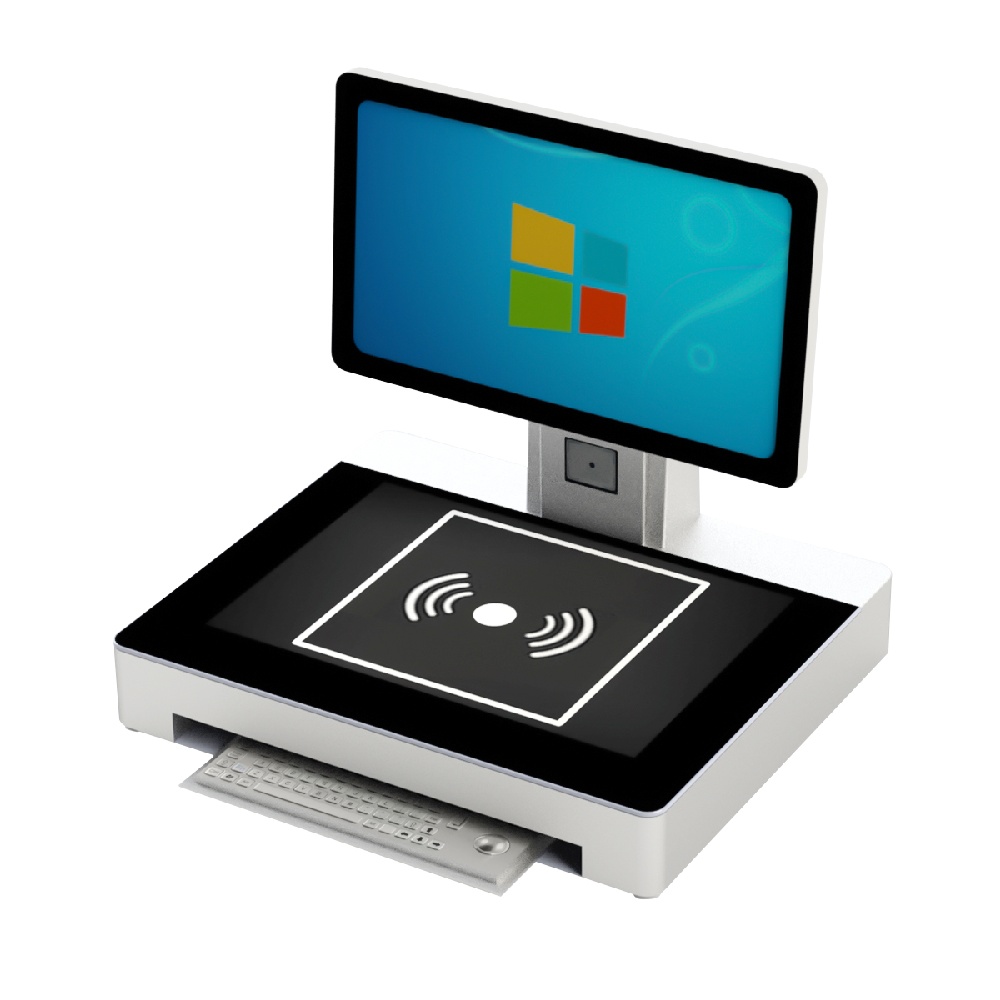
FYJ-DR-A Desktop Workstation is designed for warehouse administrators to perform item registration, RFID tag conversion, and other operations. The device integrates a 21.5-inch capacitive touchscreen, an RFID tag recognition zone, and a barcode scanning area, enabling seamless and efficient all-in-one operation. Additionally, it supports optional modules such as high-frequency access card swiping and facial recognition, which can be configured based on practical needs.Key Features:1.Desktop RFID Tag Converter: Sleek and minimalist design with versatile configurations.2.Automated Item Check-In/Out: Streamlines data entry and eliminates manual record-keeping by administrators.3.Multi-Mode Authentication: Accurately logs operator information and binds it to individual profiles for traceability.
Read More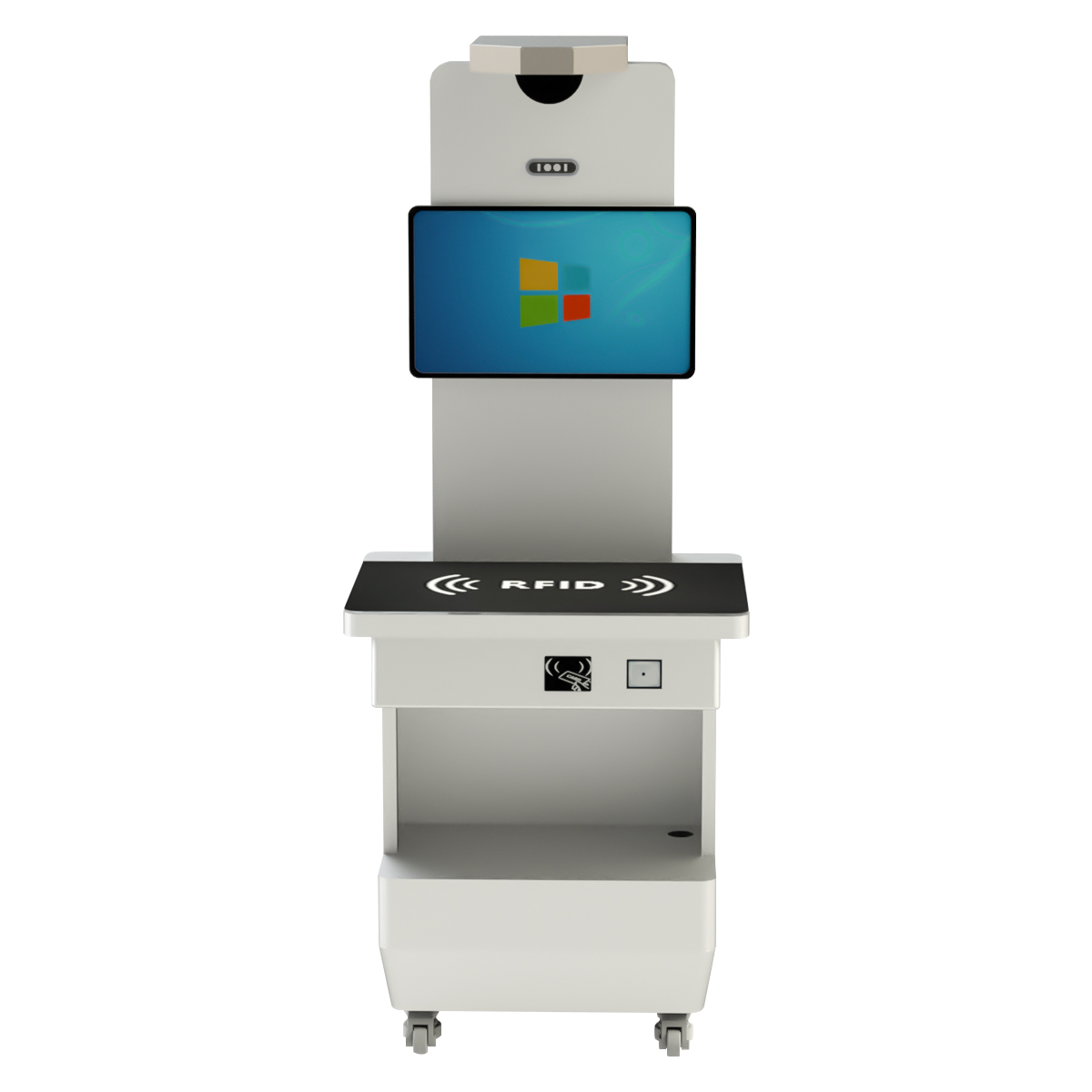
The RFID Smart Self-Service Station is an industrial-grade, unmanned management terminal designed for high-efficiency asset tracking, tool lending, and smart library operations. Integrating a high-performance UHF RFID module with an intuitive 21-inch capacitive touch screen, this station allows users to identify, borrow, or return multiple items simultaneously in just 1 to 10 seconds.
Read More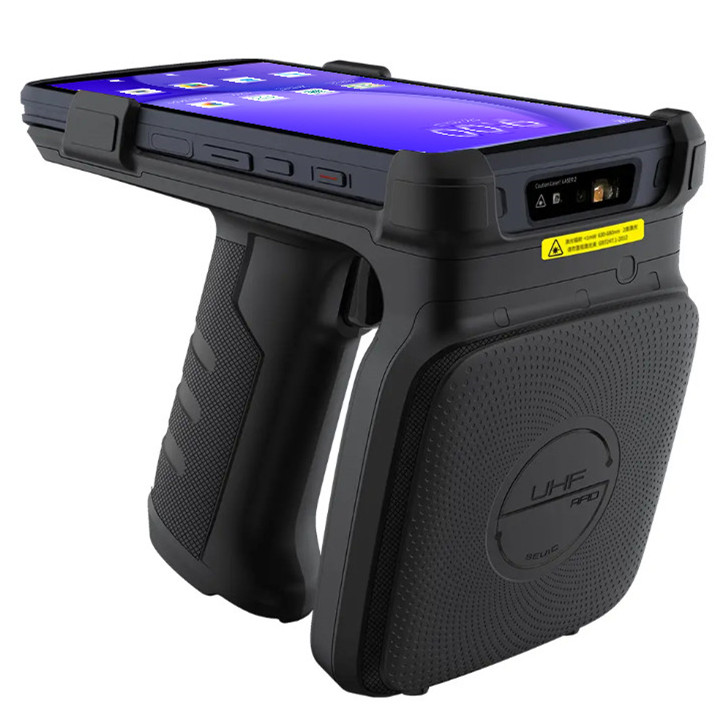
The F9835U represents a breakthrough in UHF RFID reader technology, delivering substantial enhancements compared to previous models. Capable of identifying up to 1,300 tags each second, it enables seamless transitions between reading modes with just a single tap. The reader is compatible with a wide range of specialized tags and incorporates an advanced, customizable algorithm for accurate item detection tailored to user requirements. Powered by an octa-core CPU and Wi-Fi 6 connectivity, it ensures reliable performance even in challenging and dense operational settings. With its high-capacity 11,700mAh dual-battery system, the device supports extended continuous use, while its rugged construction withstands drops from heights of up to two meters onto concrete surfaces. Together, these innovations position the F9835U as a transformative solution in the RFID landscape.
Read More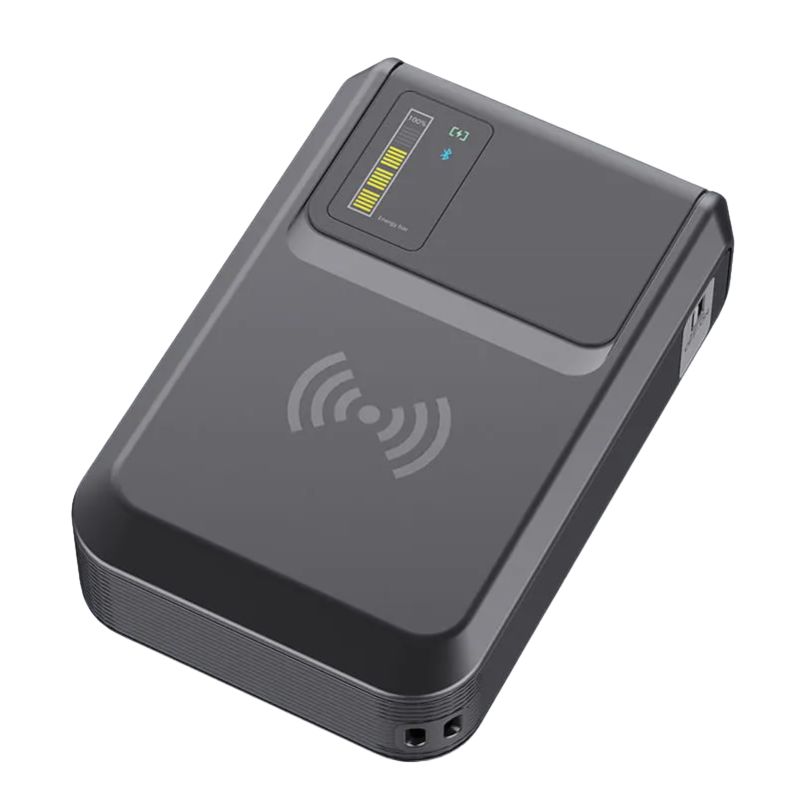
F-R10 compact UHF RFID reader that hooks up to iPhones via Bluetooth 5.2 and doubles as a 10,000mAh charger. It reads tags up to 8 meters, making it great for retail checks, warehouse audits, and manufacturing, all controlled through iOS apps. Perfect for teams who need mobile, iPhone-ready inventory tracking.Highlights:1. 10000mAh Power Bank 18H Continuous iOS Operation2. iPhone-Integrated Design with Lightning/USB-C Connect3. Multi-Protocol Support: ISO 18000-6C/6B + Apple Core NFC4.Enterprise-Grade RFID Mobility for Instant Asset Tracking
Read More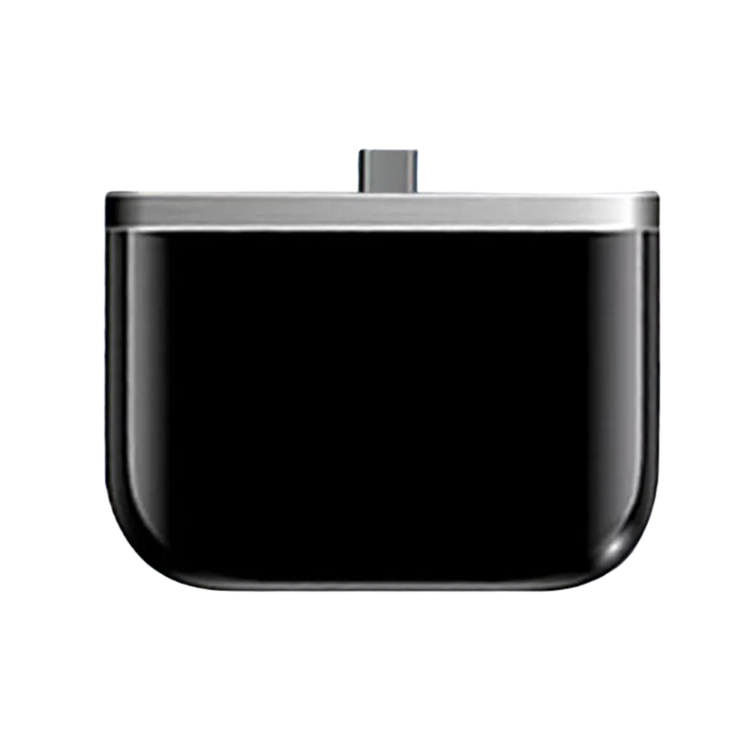
The F-B4L Ultra-Portable UHF RFID Reader redefines mobile RFID operations with its smartphone-compatible design. Powered via USB Type-C and weighing only 37g, this palm-sized device delivers instant tag detection within 30cm, ideal for anticounterfeiting, inventory checks, and workflow management.Its magnetic attachment seamlessly integrates with mobile devices,while developer-friendly SDKs (C#/Java) ensure effortless system integration. Highlights: 1.37g ultra-lightweight design, easy to carry. Connects directly to smartphones.2.Dedicated app enables fast RFID tag and item identification.3.Near-field antenna design limits read range to ≤30cm and write range to ≤10 cm.4.Provides development resources for C# and Java.5.USB Type-C for power and communication.
Read More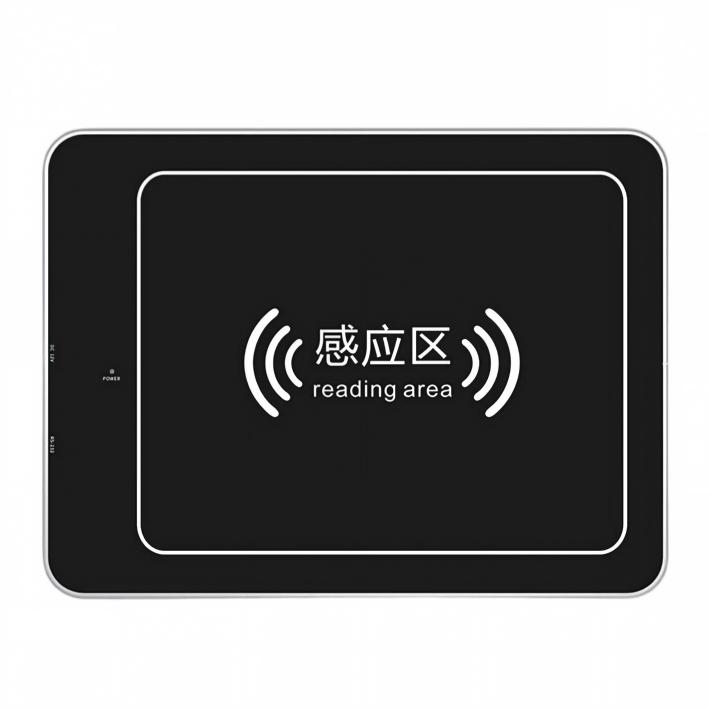
Key Features Multi-Function Integration The integrated design supports borrowing, returns, registration, information lookup, statistics, log queries, and other RFID management functions. Fast RFID Reading and Writing The device uses a signal processing algorithm to support fast RFID tag reading and writing. Dense Tag Reading It supports dense RFID tag reading and multi-tag identification. RFID Tag Conversion The device supports RFID tag conversion for different tag management requirements. Data Filtering and RSSI Detection It supports RFID tag data filtering and RSSI signal-strength detection. Statistics and Log Queries The device can generate borrowing, return, and registration statistics and provides operation log queries. System Integration The modular design supports integration with existing management systems through the USB interface and SDK.
Read More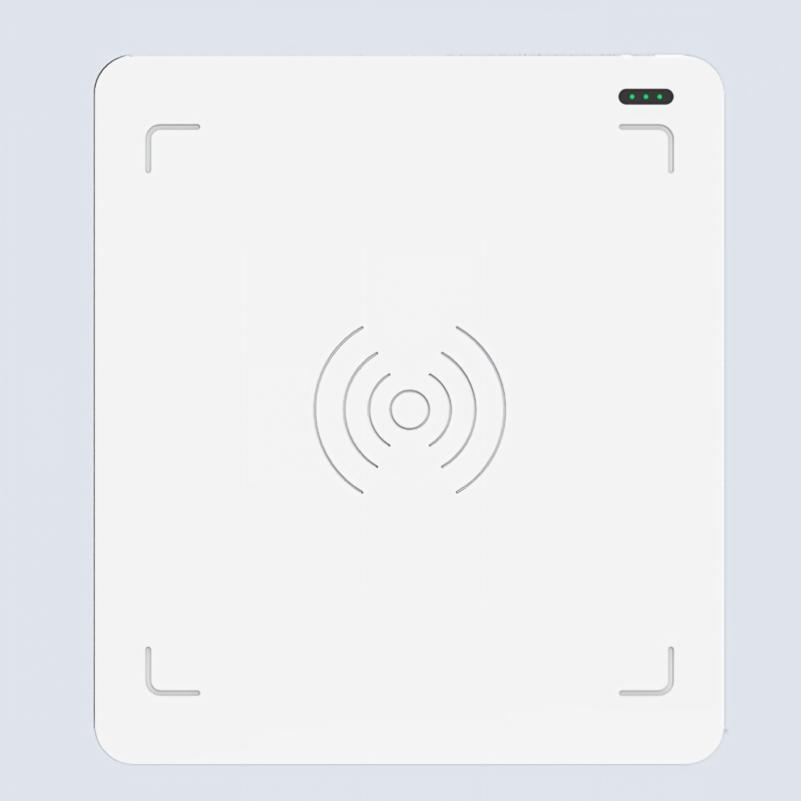
Key Features Dense Multi-Tag Reading The reader supports dense tag reading and can identify multiple RFID tags during the same operation. Fast Tag Processing The stated tag response speed is at least 40 tags per second. Near-Field Antenna Design The integrated near-field antenna helps control the RFID reading range and reduce unintended reads from nearby tags. Adjustable RF Output The RF output power can be adjusted from 0 to 33 dBm. Controlled Writing Range The RFID writing distance can be limited to within 10 cm. RSSI and Data Filtering The device supports RSSI signal-strength detection and RFID tag data filtering. Type-C Connection A Type-C interface is provided for device connection and data transmission.
Read More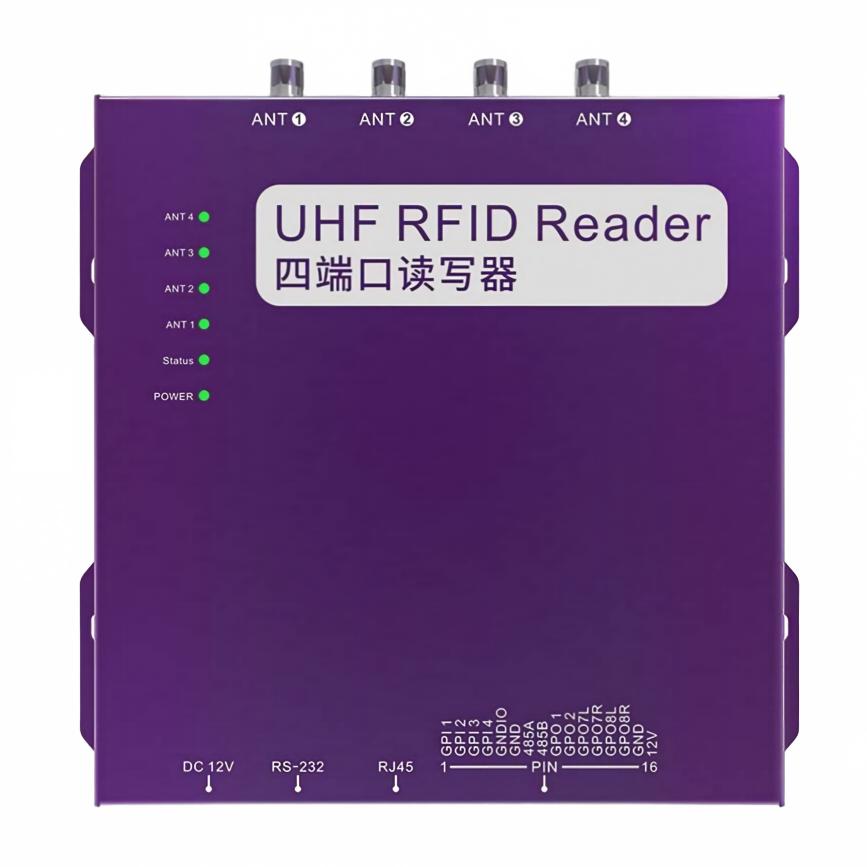
Key Features Four-Antenna Ports The reader provides four TNC female antenna ports for connecting external RFID antennas. Long-Range Reading The adjustable reading distance is stated as 0–15 m, depending on output power, antenna type, RFID tag type, and the application environment. High-Speed Tag Identification The stated RFID tag identification speed is more than 400 tags per second. Dense Tag Reading The device supports dense RFID tag reading for environments containing multiple tags. Antenna Standing-Wave Detectio The reader supports antenna standing-wave detection for connected RFID antennas. Multiple Communication Interfaces It provides Ethernet, RS-232, RS-485, Wi-Fi, and Wiegand communication interfaces.
Read More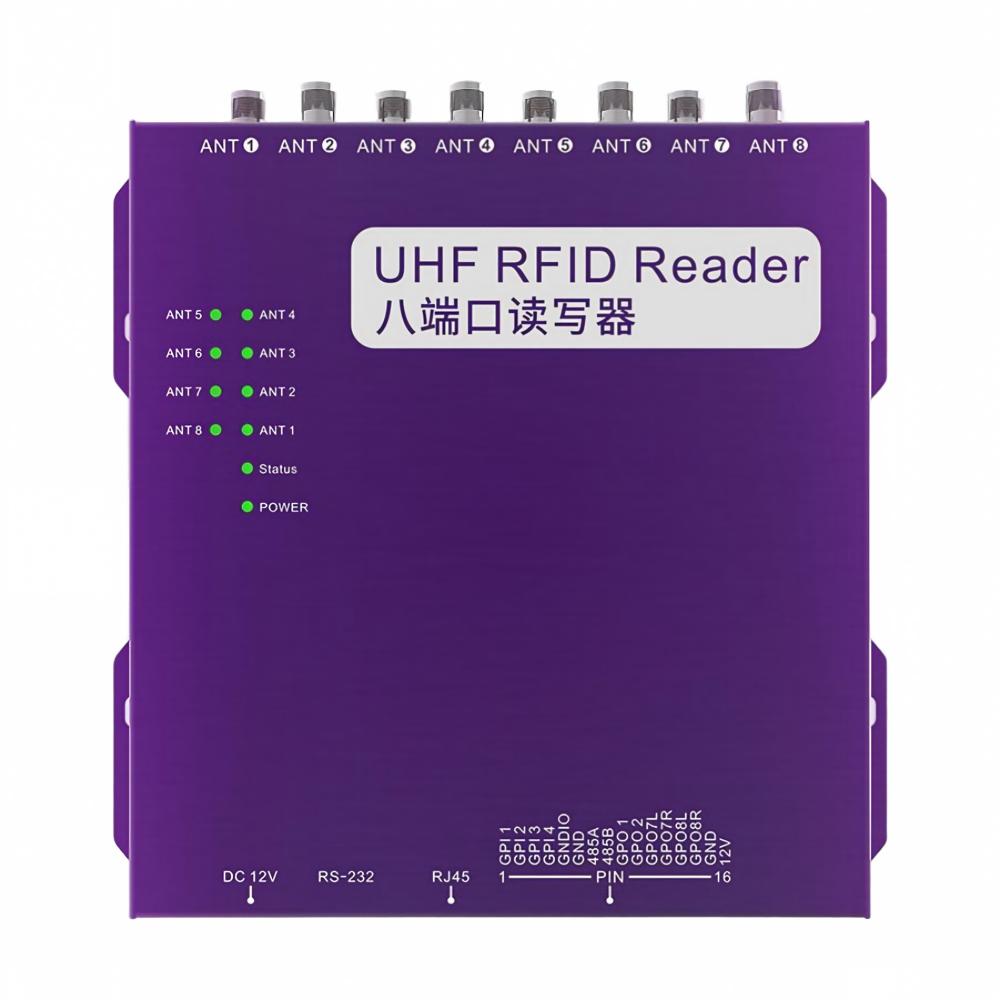
Key Features Eight Antenna Channels The reader provides eight TNC female antenna ports for connecting external RFID antennas. High-Speed Tag Identification The stated RFID tag identification speed is more than 400 tags per second. Dense Tag Reading It supports dense RFID tag reading and tag data filtering in multi-tag environments. Adjustable Long-Range Reading The detailed performance specifications state an adjustable reading distance of 0–15 m and a writing distance of 0–8 m. Antenna Standing-Wave Detection The device supports standing-wave detection for connected RFID antennas. Multiple Communication Interfaces It supports Ethernet, RS-232, RS-485, and Wi-Fi communication. RSSI Detection The reader can detect RFID signal strength through RSSI. Online Firmware Upgrade Online firmware upgrades are supported.
Read More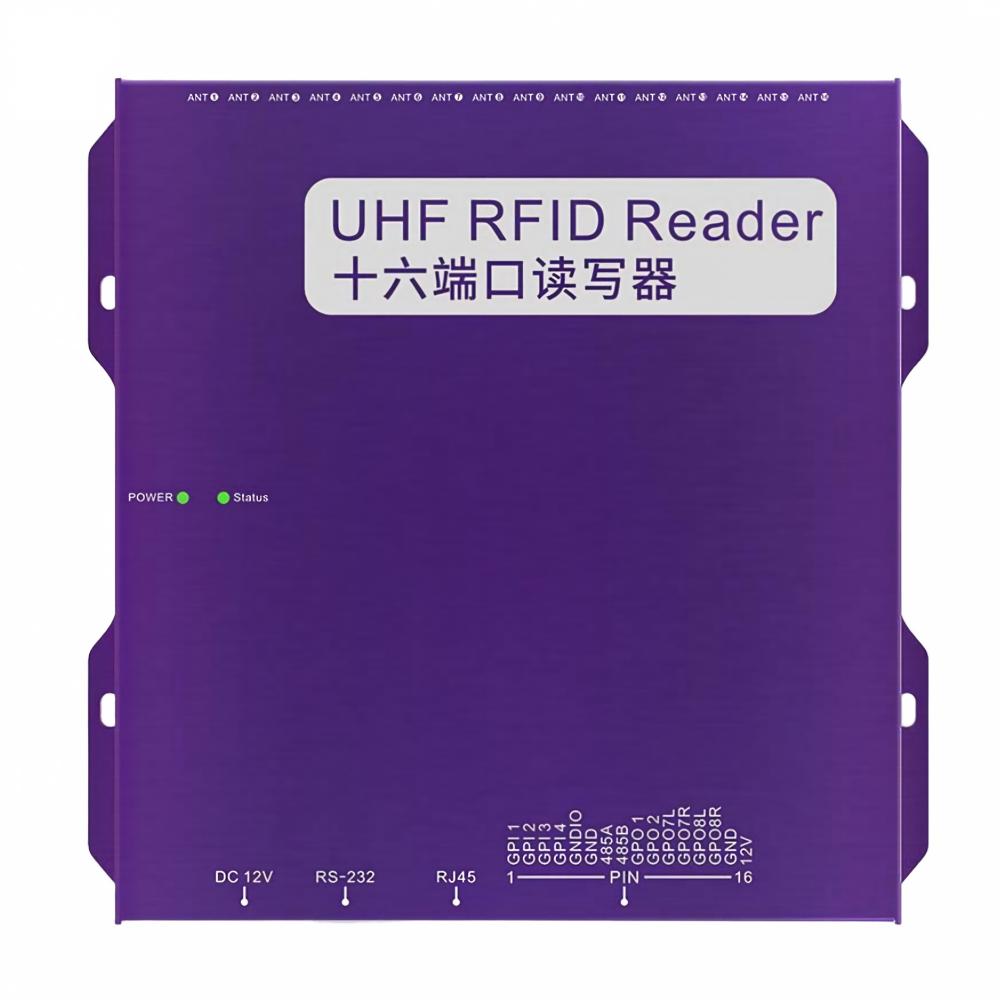
Key Features High-Speed Tag Identification The reader supports RFID tag identification speeds of more than 400 tags per second. Long-Range Reading and Writing The stated adjustable reading distance is 0–15 m, while the writing distance is 0–8 m. Dense Tag Reading The device supports dense RFID tag reading and multi-tag anti-collision processing. Adjustable RF Output The maximum RF output power is 33 dBm ± 1 dBm and can be adjusted in 1 dB steps. Antenna Monitoring The reader supports antenna standing-wave detection for connected external antennas. Multiple Communication Interfaces It provides Ethernet, RS-232, RS-485, Wi-Fi, and Wiegand communication interfaces. RFID Data Processing The reader supports RFID tag data filtering and RSSI signal-strength detection. Online Firmware Upgrade The device supports online firmware upgrades.
Read More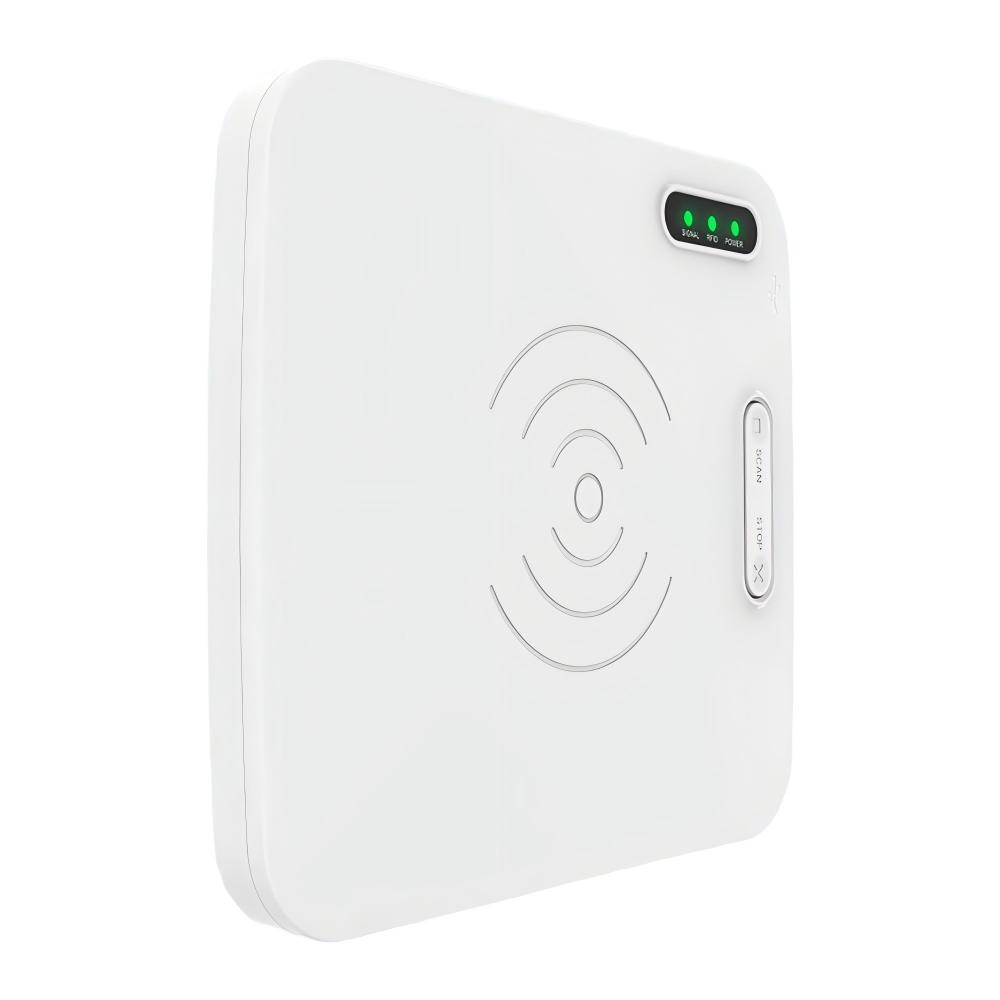
Key Features Controlled Near-Field Reading The built-in near-field antenna limits the reading range to within 30 cm and the writing range to within 10 cm, helping reduce interference from nearby RFID tags. Batch Tag Writing The reader supports fast batch writing of RFID tags for tag issuance and data-entry operations. Dense Tag Reading It supports dense RFID tag reading, with a stated response speed of at least 40 tags per second. Tag Filtering The device can identify and filter invalid or duplicate RFID tags. Button-Based Control A physical button allows the user to start or pause RFID reading and writing operations. Type-C Communication The Type-C interface supports device communication and data transmission. Development Support Java and C# development documentation and an SDK are available for secondary development.
Read More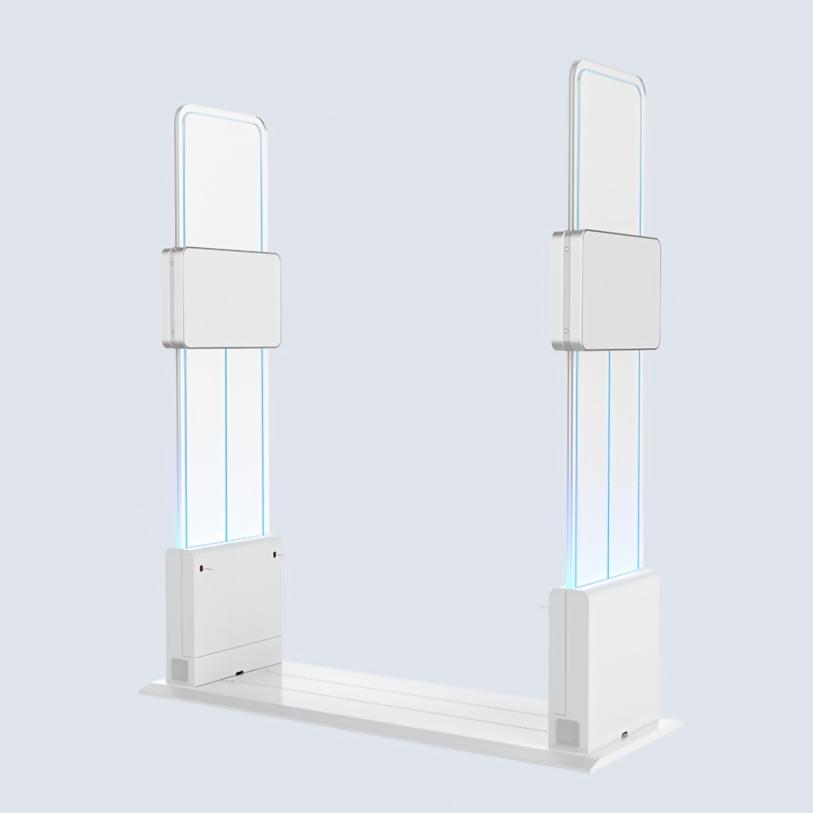
Key Features AI Dynamic Tag Detection The system analyzes RFID signals and movement trajectories to identify tag movement and filter static tags, helping reduce false alarms. Multi-Tag Identification Multiple RFID tags can be identified while passing through the access area, supporting continuous passage management. Item-Level RFID Identification Each tagged item can be identified through an individual RFID code for access monitoring and anti-theft management. 2.4 m Access-Area Coverage The optimized antenna design is stated to provide coverage across a 2.4 m passage area. Offline EAS Operation The anti-theft function can continue operating when the network connection is unavailable. Audible and Visual Alarm Unauthorized movement can trigger a warning light and buzzer. Optional People Counting An optional external display can show entry and exit counts. Multiple Network Options A wired Ethernet connection is standard, with optional Wi-Fi and 4G modules.
Read More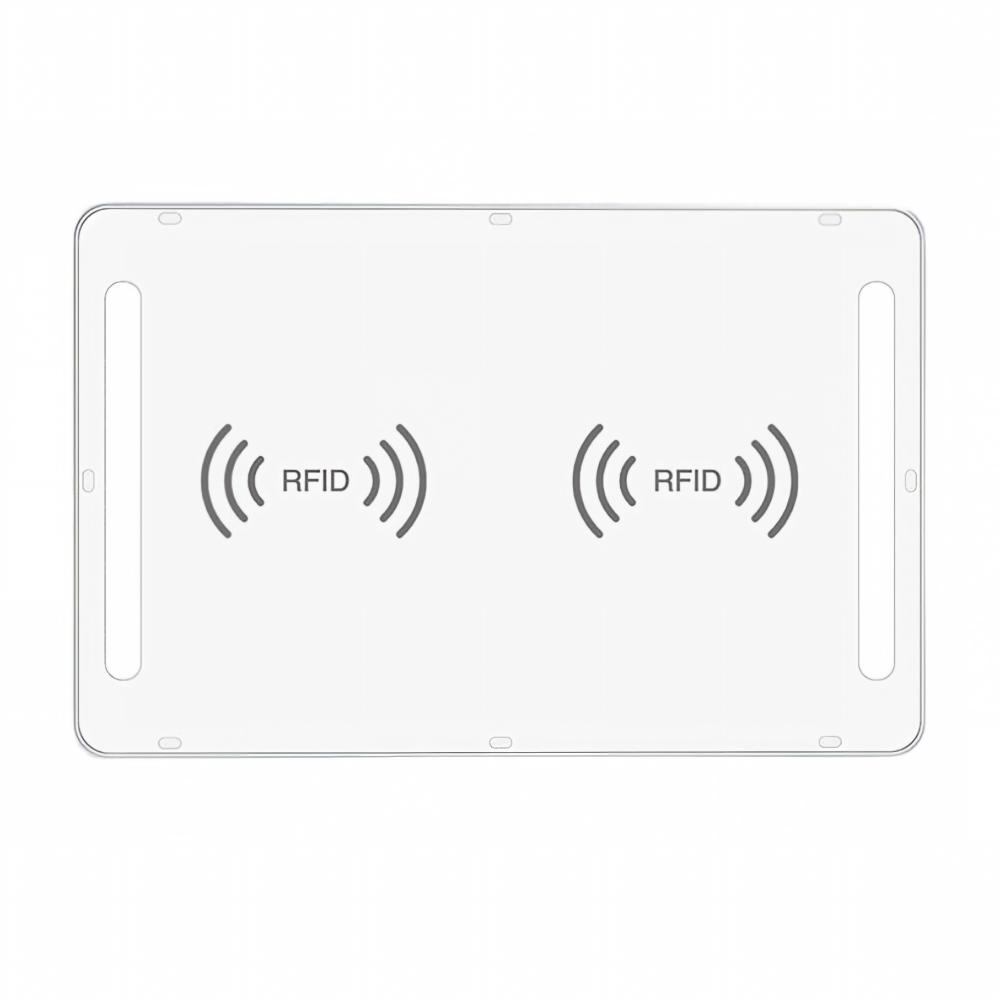
Key Features Ceiling-Mounted Installation The system is fixed to the ceiling using a mounting bracket, helping save floor space. Built-In Circularly Polarized Antenna The RFID antenna is integrated into the device, eliminating the need to install a separate external antenna. Multi-Tag Identification The device can identify multiple RFID tags during the same reading operation. Dense RFID Reading It supports dense tag reading for environments where multiple tagged items pass through the monitored area. Audible and Visual Alarm The system provides light and sound alerts when an unauthorized RFID tag is identified. Automatic Entry and Exit Records Tagged-item entry and exit information can be recorded automatically. RFID Tag Filtering The device supports RFID tag-data filtering and intelligent judgment of tag information. RSSI Signal Detection RSSI functionality allows the system to detect RFID signal strength. Adjustable RF Output The maximum RF output power is 33 dBm ± 1 dBm and can be adjusted in 1 dB steps. Online Firmware Upgrade The device supports online firmware upgrades.
Read More
Key Features Phase-Trajectory Identification The system analyzes RFID tag phase trajectories to determine whether tagged items are entering or leaving the monitored area. Simultaneous Entry and Exit Detection It can distinguish entry and exit directions when multiple RFID tags move through the access area at the same time. Stray-Read Filtering The system controls unintended RFID reads around the entrance and supports up to six EPC filtering rules. No On-Site Direction Adjustment The page states that the device can be used after installation without repeated on-site direction or parameter adjustment. Multi-Tag Processing It supports batch RFID tag reading and writing, with a stated identification speed of more than 500 reads per second. Ceiling-Mounted Design The device can be installed on the ceiling using a top-mount bracket, side-mount bracket, or suspension cable, without occupying passage floor space. Audible and Visual Alarm A built-in buzzer and red-and-blue light strips can be controlled for audible and visual alarm notifications. Operating-Status Monitoring The system supports access-control operating-status reporting and can automatically report internal hardware component faults.
Read More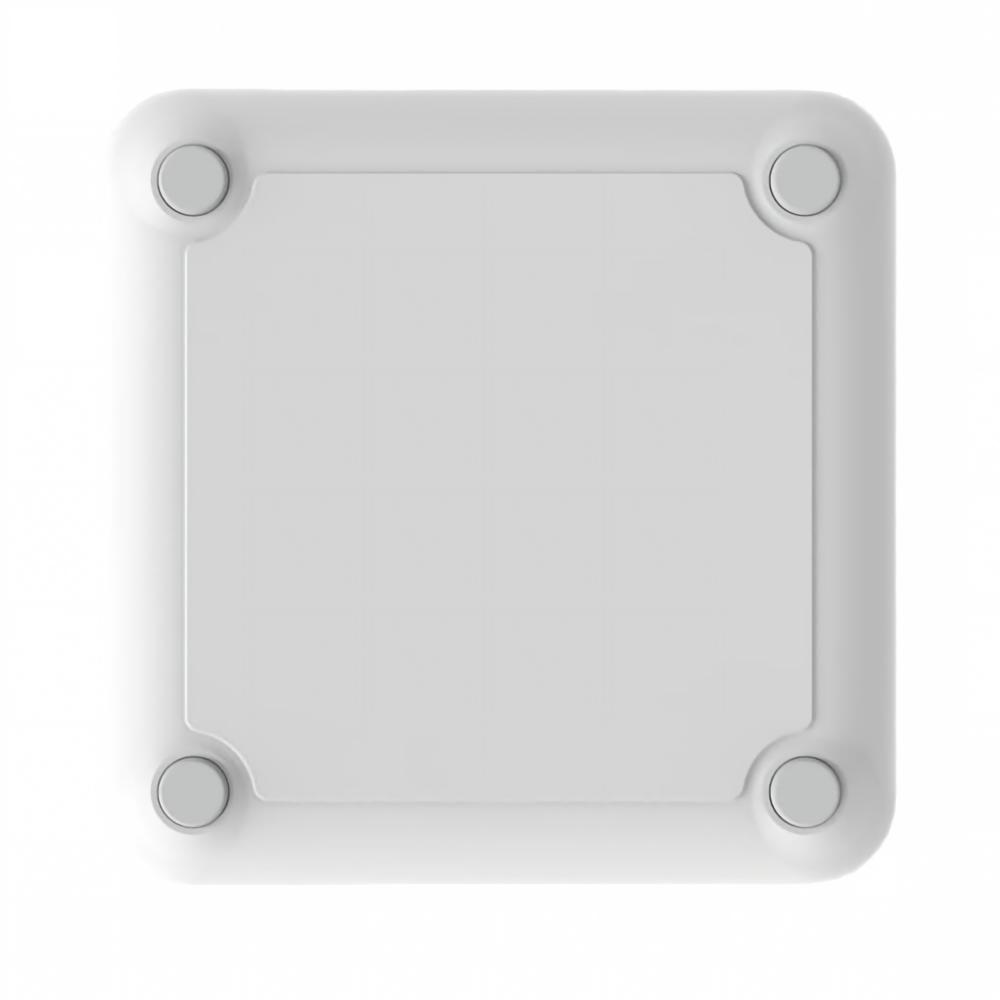
Key Features High-Gain Performance The antenna provides more than 9 dBi gain to increase RFID signal strength and coverage range. Circular Polarization The circularly polarized design provides more uniform signal coverage and helps reduce reading blind spots. Low Axial Ratio The axial ratio is below 3 dB, supporting stable RFID signal reception. Wide-Frequency Compatibility The antenna supports the 840–960 MHz UHF frequency range. Low VSWR The voltage standing wave ratio is no more than 1.3:1, helping reduce signal reflection and attenuation. IP65 Protection The antenna has an IP65 protection rating for use in the stated operating environments.
Read More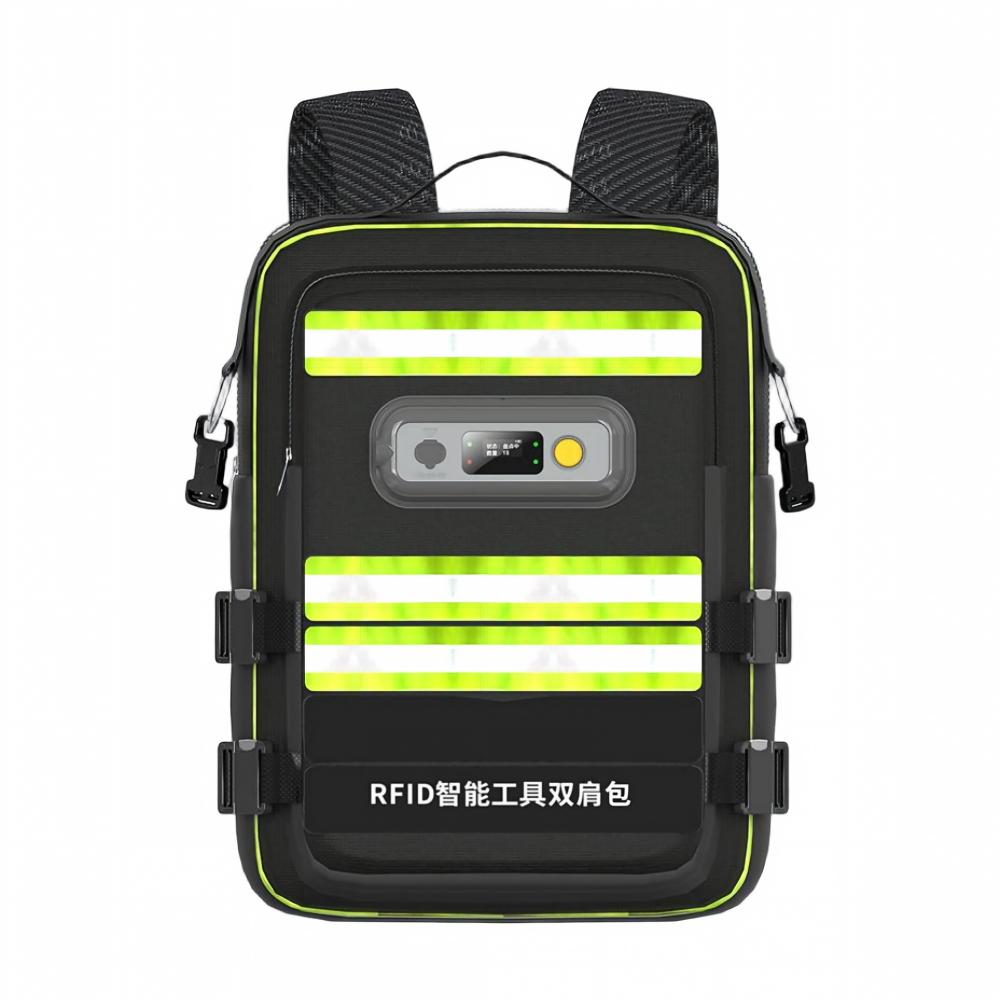
Key Features One-Touch Tool Locking RFID tag binding and a mechanical lock are used together to lock the status of tools inside the backpack. Unauthorized opening can trigger an audible and visual alarm. Automatic Departure Inventory The backpack scans the tools inside and automatically compares them with the tool list when leaving the work area. The stated error rate is no more than 0.02%, with buzzer and mobile-app reminders for quantity abnormalities. Missing-Tool Alarm When a tool is more than 2 m away from the backpack, the product can trigger a local alarm and send the missing location to the administrator terminal. The page also states that historical movement records are supported. Bluetooth Configuration A dedicated mobile app can connect to the backpack through Bluetooth for setting inventory rules, alarm thresholds, and tool information. Multi-backpack management is also listed on the page. Modular Tool Storage Removable dividers can be used to adjust the internal storage layout. The backpack is stated to support 32 categories of standard maintenance tools, including screwdrivers, multimeters, endoscopes, and safety belts. Tool Location The page states that RFID signal-strength analysis can be used to locate tools with an accuracy of up to 0.5 m. Cloud Data Synchronization Tool access records can be synchronized with an enterprise asset-management platform for cross-regional tool allocation and overall inventory visibility. Industrial Protection The page states compliance with the Ex ib IIC T4 Gb explosion-protection standard and describes operation in temperatures from -20°C to +60°C.
Read More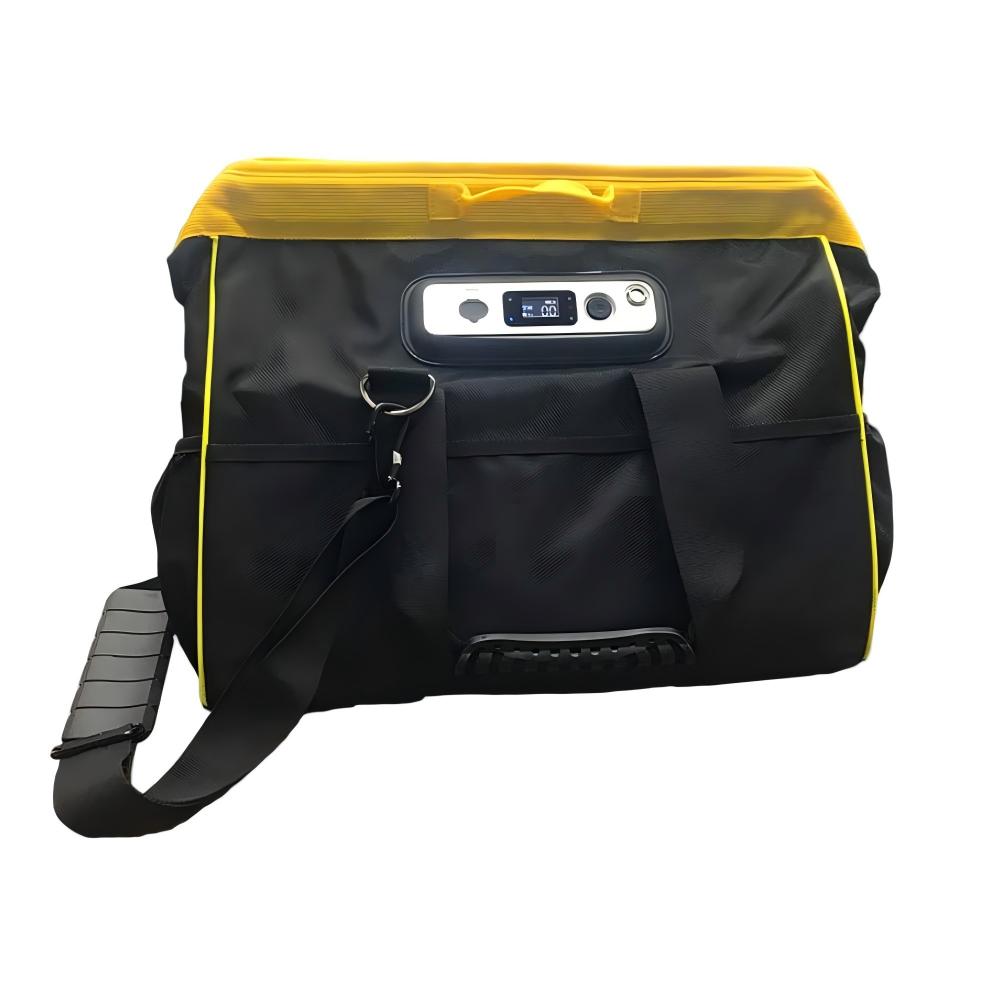
Key Features One-Touch Tool Locking Tools can be placed freely inside the bag and locked into the current inventory list using one-touch operation. Automatic Departure Inventory The bag checks the quantity of registered tools and provides a reminder when a tool is missing during departure. Missing-Tool Alarm A local buzzer alarm alerts the operator when a registered tool is not detected. Bluetooth Configuration The product can connect to a mobile phone through Bluetooth for function settings and adjustments. Automatic RFID Identification UHF RFID technology enables automatic identification and inventory counting of tagged tools. Portable Tool Management The shoulder-bag structure is designed for mobile inspection, repair, and maintenance operations.
Read More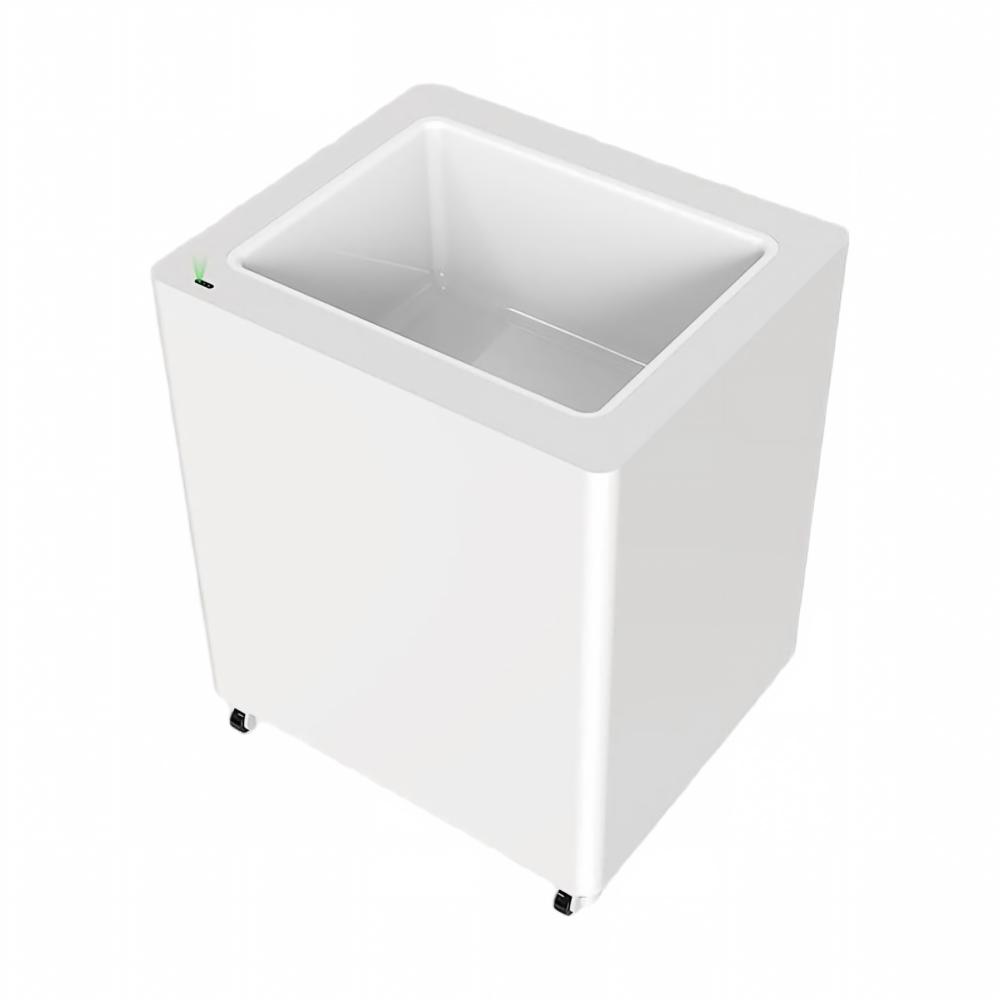
Key Features Batch Tag Identification The device can accurately identify more than 30 tagged items in a single operation. Batch Reading and Writing It supports both batch RFID tag reading and batch RFID tag writing. Controlled Stray-Read Range The optimized antenna design limits unintended reads around the device to within 20 cm. Adjustable RF Output The RF output power can be adjusted from 0 to 33 dBm in 1 dBm steps. Automatic Power Adjustment The device can automatically adjust RF power according to the item material and identification environment. External Display Support An external display can be connected to update sales data and show payment information. Serial Data Transmission The built-in RS-232 interface supports data transmission between the device and a connected system. Optional Identification Functions QR code recognition, facial recognition, and Wi-Fi are listed as optional configurations.
Read More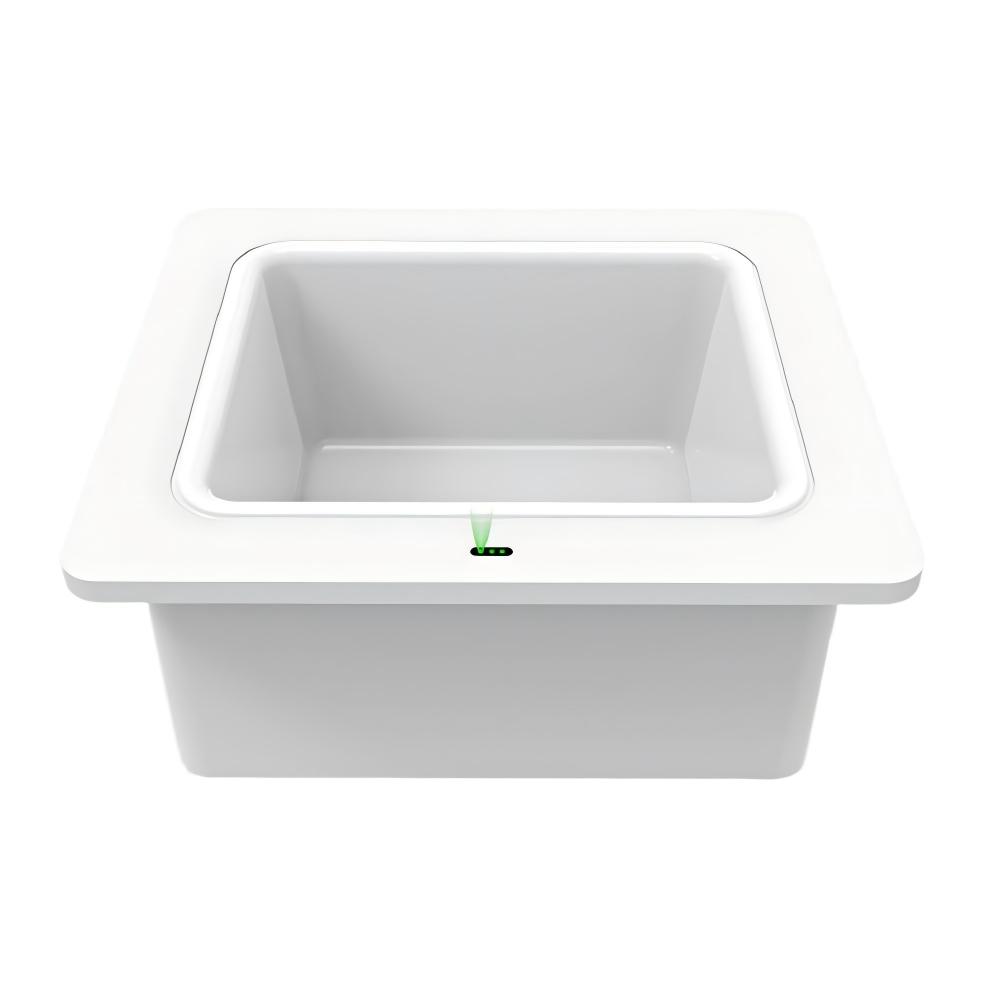
Key Features Batch Multi-Tag Identification The device can identify more than 30 tagged items in a single operation and supports batch RFID tag reading and writing. Controlled Stray Reads A dedicated antenna design is used to control unintended reads around the identification area in multi-tag environments. Adjustable RF Output The RF output power is adjustable from 0 to 33 dBm in 1 dBm steps. External Display Support The reader can connect to a display for showing sales, payment, or inventory information. Embedded Installation The compact structure is designed for installation inside worktops or equipment. Ethernet Data Transmission An Ethernet interface is provided for communication with management systems or backend platforms.
Read More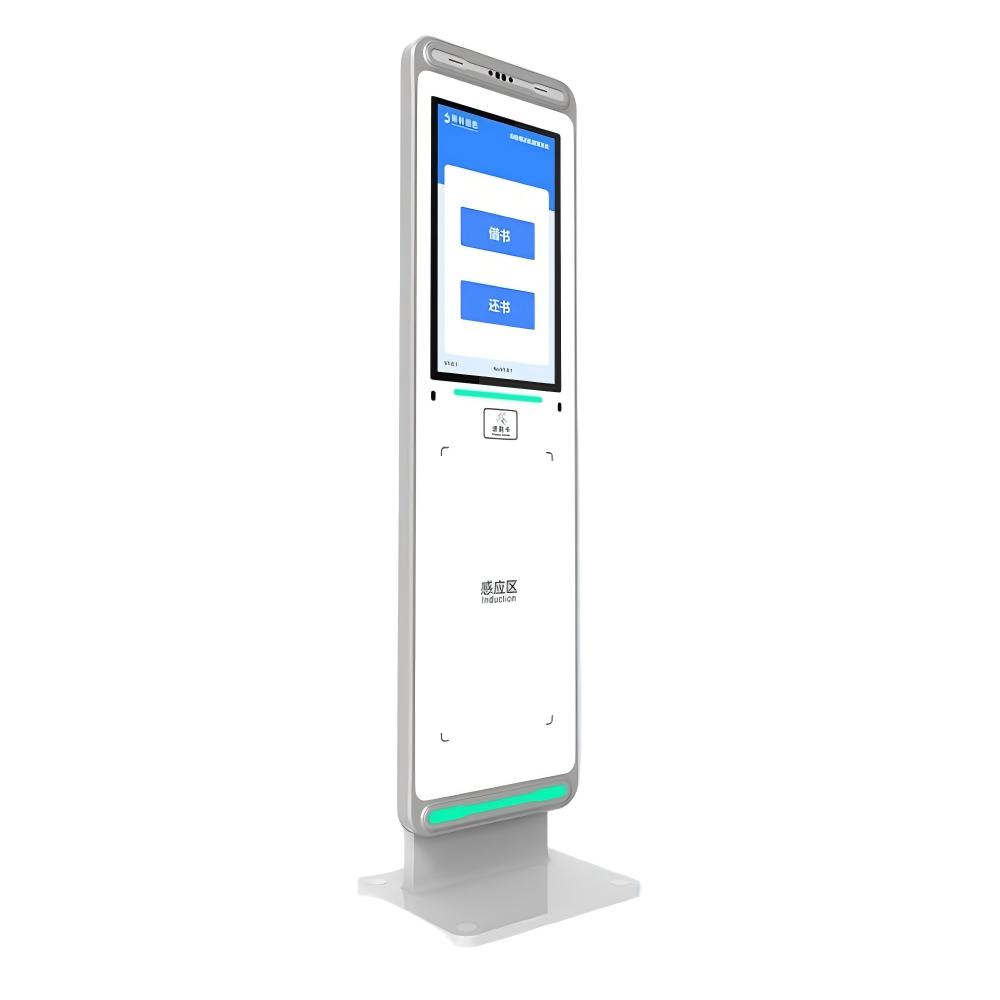
Key Features Batch RFID Identification The workstation supports batch identification of UHF RFID-tagged items. The technical specification states that it can identify at least 30 items in one operation. Controlled Reading Area A dedicated antenna design limits unintended tag reads to within approximately 80 cm. 21.5-Inch Touchscreen The device includes a 21.5-inch capacitive touchscreen for user interaction. Self-Service Borrowing and Returns The workstation supports item borrowing, return processing, status management, and related operation records. Multiple User Verification Methods Facial recognition and card verification are listed as standard functions, while Wi-Fi is optional. Ethernet Communication The workstation uses an Ethernet interface for system communication and data transmission.
Read More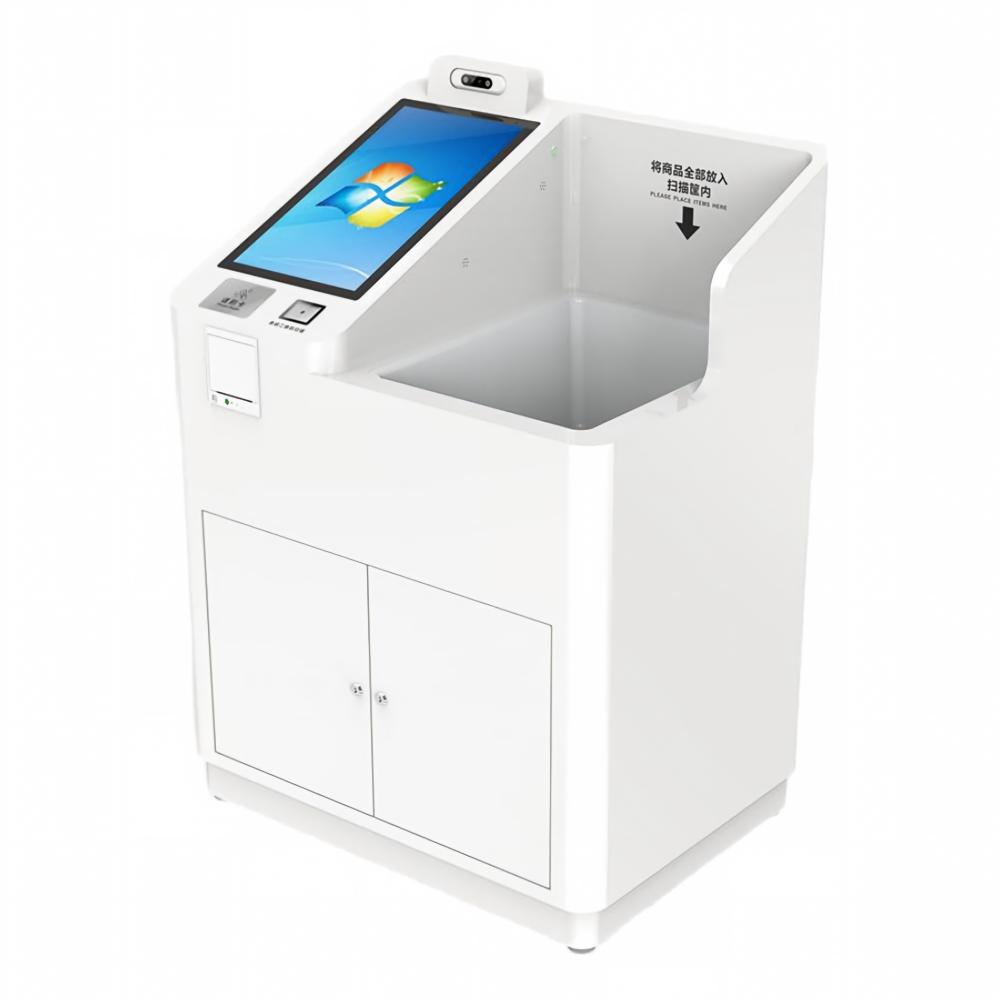
Key Features Batch RFID Identification The station supports multi-tag reading and can identify at least 10 items in one operation. RFID Security-Bit Rewriting During checkout, the system can automatically rewrite the security status of RFID tags. Sales-Data Updates Product information can be scanned and sales data updated during checkout. Payment-Information Display The 21.5-inch touchscreen displays payment information for customer confirmation. Multiple Checkout Functions The management system includes checkout methods, member checkout, checkout records, inventory management, device management, personnel management, and data reports. Optional Identification Functions QR-code recognition, facial recognition, and Wi-Fi are available as optional configurations.
Read More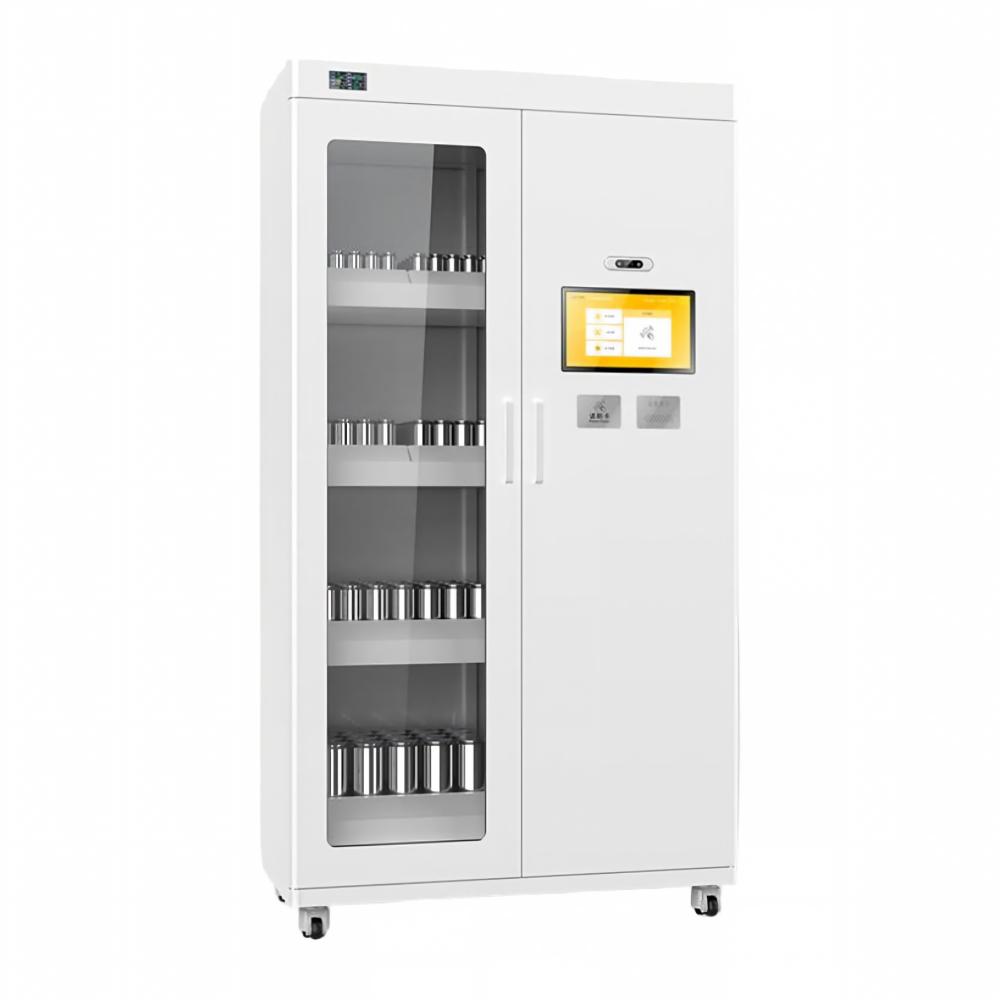
Key Features Dynamic Weight Calibration The system supports automatic zeroing and tare removal to reduce the influence of environmental temperature and humidity on weighing accuracy. Missing-Item Warning When the weight difference exceeds 2% during tool return, the system can trigger an alarm to indicate that a tool or tool component may be missing. Batch Remaining-Quantity Monitoring The cabinet records the collected weight of consumable packages and can issue a replenishment reminder when the remaining quantity is insufficient. Multi-User Permission Management Collection weight thresholds can be configured for different job roles and different types of tools or consumables. Industrial Vibration-Resistant Design The four-point weighing-sensor structure is designed to resist vibration interference in workshop environments, with a stated accuracy fluctuation below 0.3%. Real-Time Data Synchronization Weight data can be connected to WMS or ERP systems to generate material-consumption reports. Voice Operation Guidance The system can provide voice prompts when overweight or underweight conditions are detected.
Read More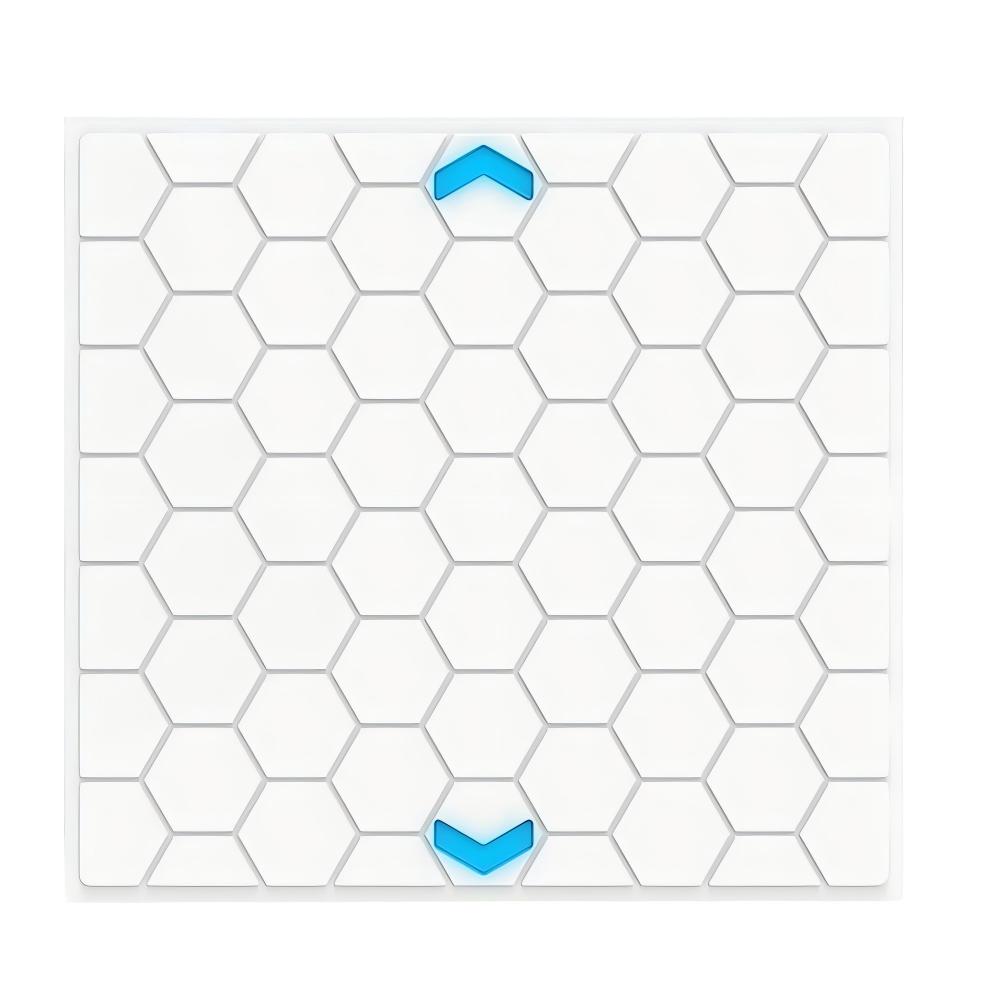
Key Features Automatic RFID Tag Identification The system automatically reads RFID tag information without physical contact. Multi-Tag Identification Supports simultaneous identification of multiple RFID tags to handle dense tag reading requirements. Tag Filtering Supports RFID tag data filtering to improve identification management efficiency. Ceiling-Mounted Installation The ceiling-mounted structure saves installation space and does not occupy floor areas. Built-In Antenna Design The system integrates antennas internally and uses a reader-integrated structure. Audible and Visual Alarm Supports audible and visual alarm reminders for unauthorized RFID tags. Data Upload Supports real-time data transmission for management systems. SDK Development Support Provides SDK development resources for system integration.
Read More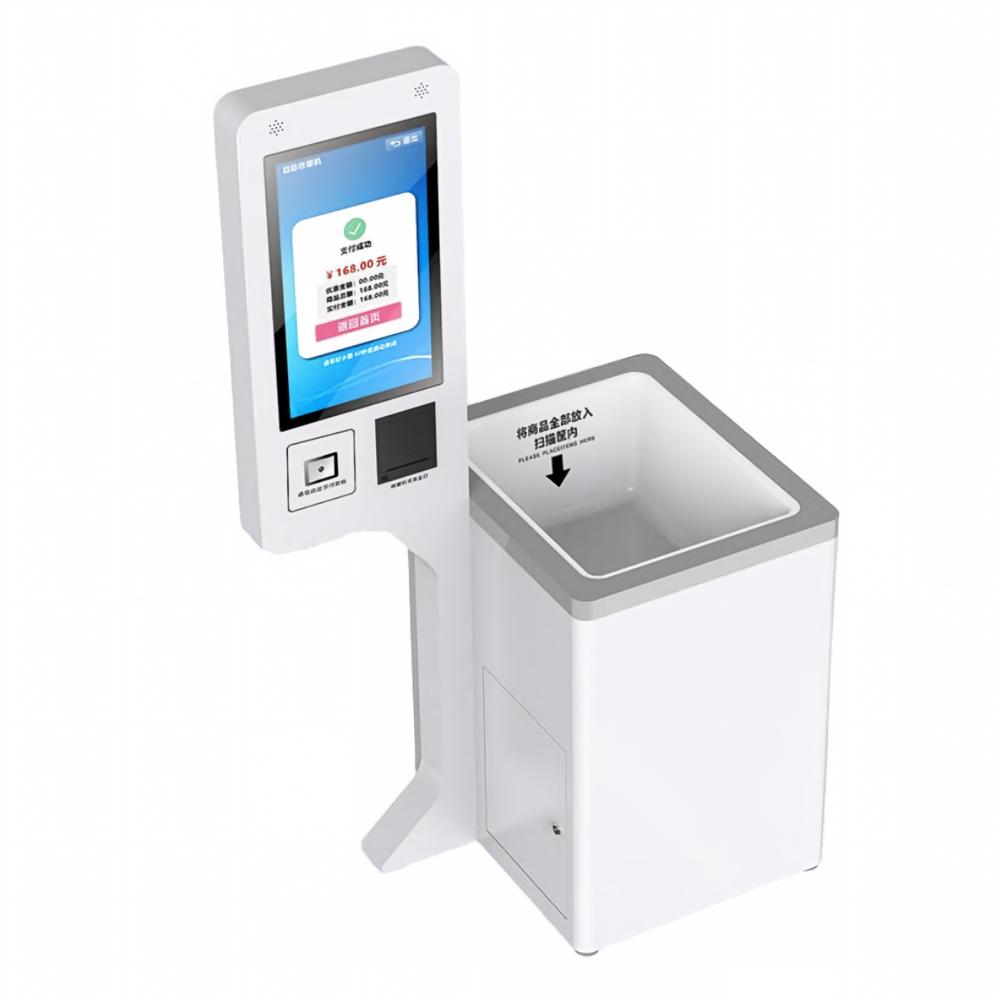
Key Features UHF RFID Identification Supports UHF RFID identification method Supports EPC C1G2, ISO 18000-6B, and ISO 18000-6C protocols Uses UHF RFID technology for tag reading and writing Multiple Tag Identification Supports simultaneous identification of multiple RFID labels Supports RFID item reading for self-checkout operations Data Processing Functions Label data filtering RSSI perception Quantity statistics Self-service card application Integrated Touch Screen Design 21.5-inch capacitive touch screen 1920 × 1080 resolution Supports self-service interaction Multiple Recognition Functions Barcode scanning QR code scanning Face recognition (standard) Fingerprint recognition (optional) System Compatibility Supports Windows / Android systems Supports SDK secondary development Supports Java and C# development languages
Read More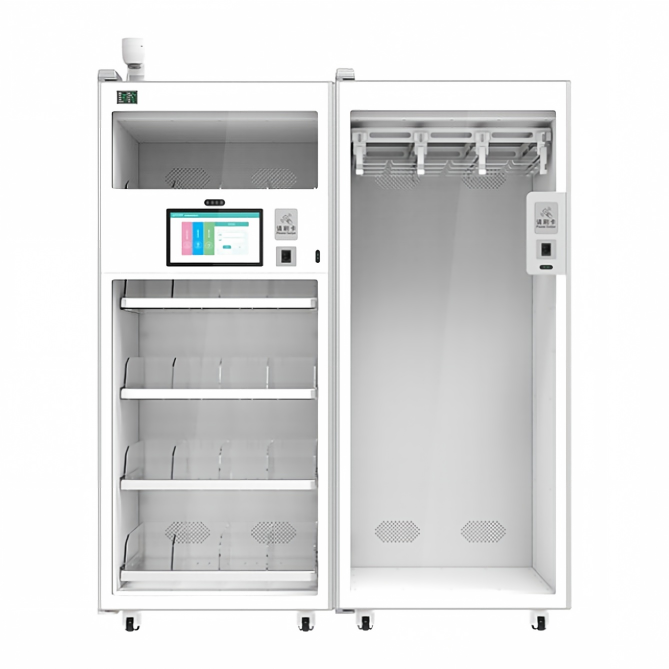
Key Features Automatic RFID Sensing The cabinet automatically detects the storage and retrieval of RFID-tagged consumables without manual scanning. Fast Inventory Counting The source states that inventory counting can be completed in approximately 5 seconds. Consumables Traceability The system supports traceability of consumables from inbound storage through usage. Inventory Alerts Low-stock and expiration reminders are supported. Large Storage Capacity The cabinet can accommodate approximately 250–500 consumable items. High Reading Accuracy The source states an RFID reading accuracy of up to 99.9%.
Read More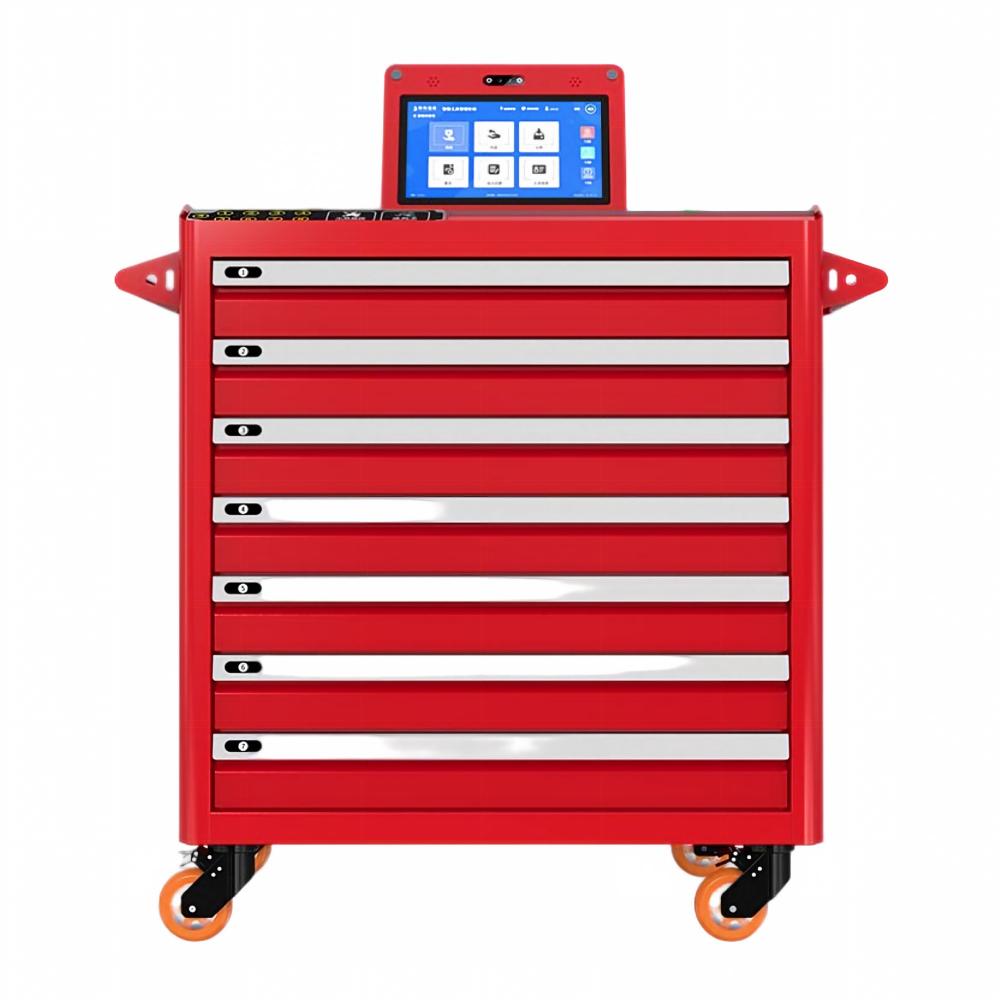
Key Features Fast Tool Inventory The page states that daily and monthly tool checks can be completed within 3 seconds. Borrowing and Return Records The system records tool borrowing and return operations, allowing tool movement records to be reviewed. Missing-Tool Warning When a tool is not returned on time, the system can issue a warning and associate the record with the responsible user. Tool Location and Search RFID technology is used to support tool positioning and faster tool searching. Voice Feedback Operation results can be reported through voice prompts. Long Battery Life The page states that the cart can operate for more than 10 hours on a full charge. One-Touch Unlocking All cabinet doors can be opened with one-touch operation.
Read More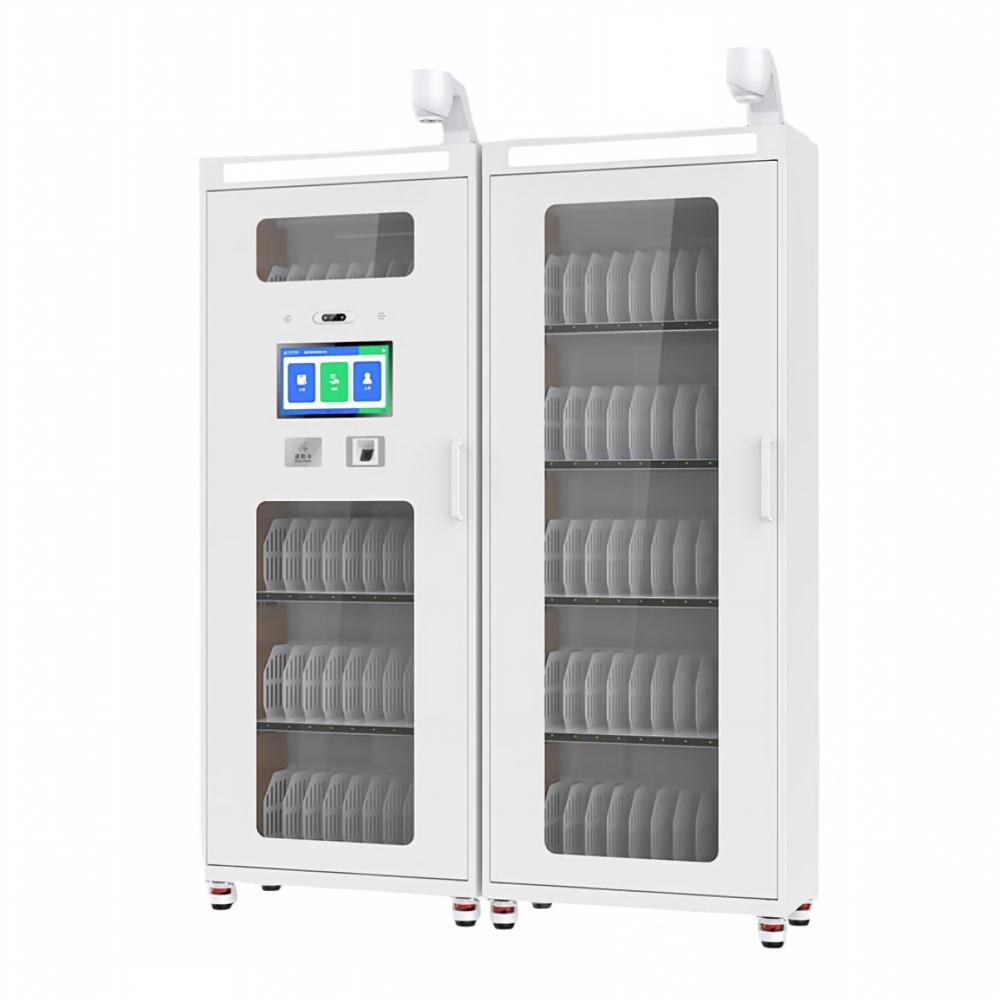
Key Features Automatic Borrowing and Return Management The cabinet automatically records archive borrowing, return, and movement information, reducing manual processing. 3-Second Inventory Check The source states that daily or monthly inventory checks can be completed within 3 seconds. Archive Positioning Each shelf provides 12 positioning points for archive-box location management. Reminder-Light Assisted Search Each archive position is equipped with a reminder light to help users identify the required archive location. Multiple Identity Verification Options Employee card and binocular facial recognition are standard. Fingerprint, monitoring camera, and ID-card recognition are optional. Flexible Communication RJ45 is provided, while Wi-Fi and 4G expansion are also mentioned on the page.
Read More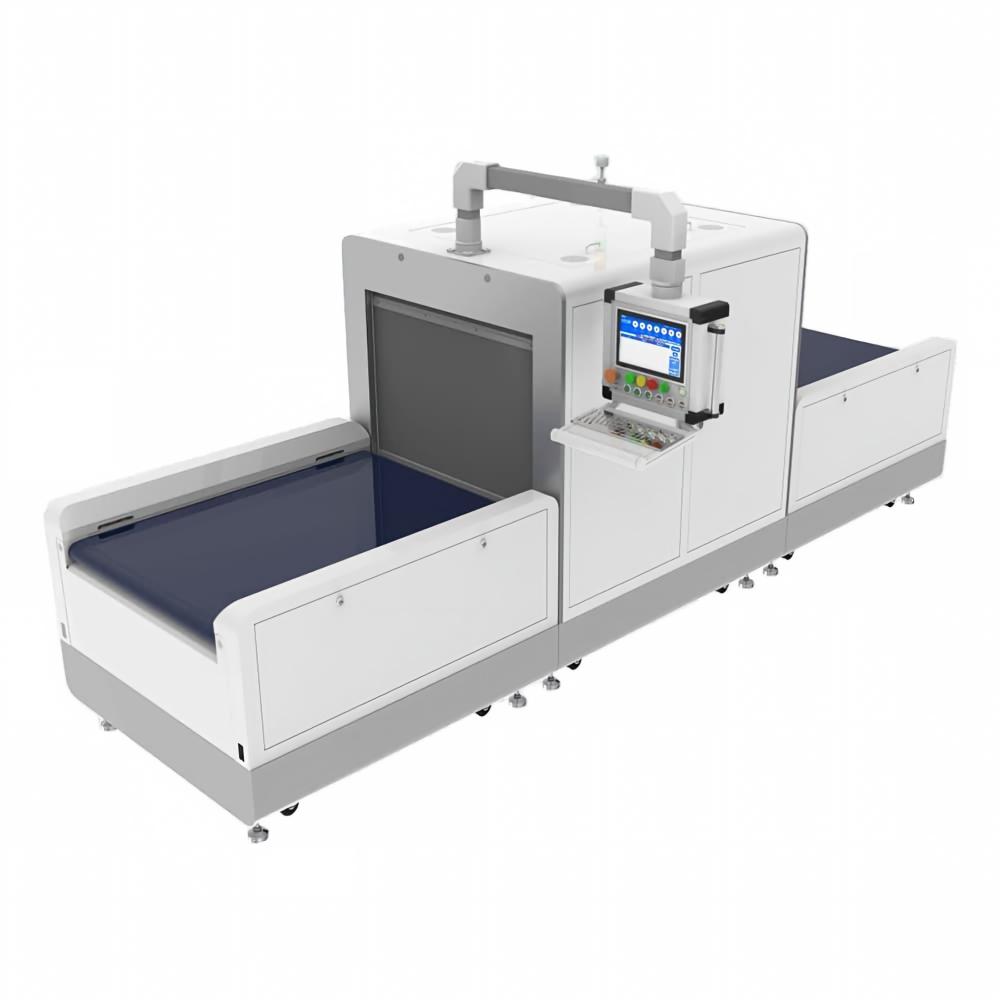
Key Features High-Speed Batch Identification The tunnel can identify more than 400 RFID-tagged items within 3 seconds, with item lists displayed in real time. Electromagnetic Shielding The tunnel uses an electromagnetic shielding design to improve tag reading accuracy inside the identification area. Adjustable Conveyor System The default conveyor speed is 20 m/min and can be adjusted up to 30 m/min. The three conveyor sections can be controlled independently and configured with different speeds. Static and Dynamic Reading The system supports both stationary and moving RFID tag identification, with cyclic and trigger-based operating modes. Dual-Side Maintenance Access Maintenance doors are installed on both sides of the tunnel for easier servicing. Expansion Support The source states that an abnormal-item sorting module can be added and that secondary development is supported.
Read More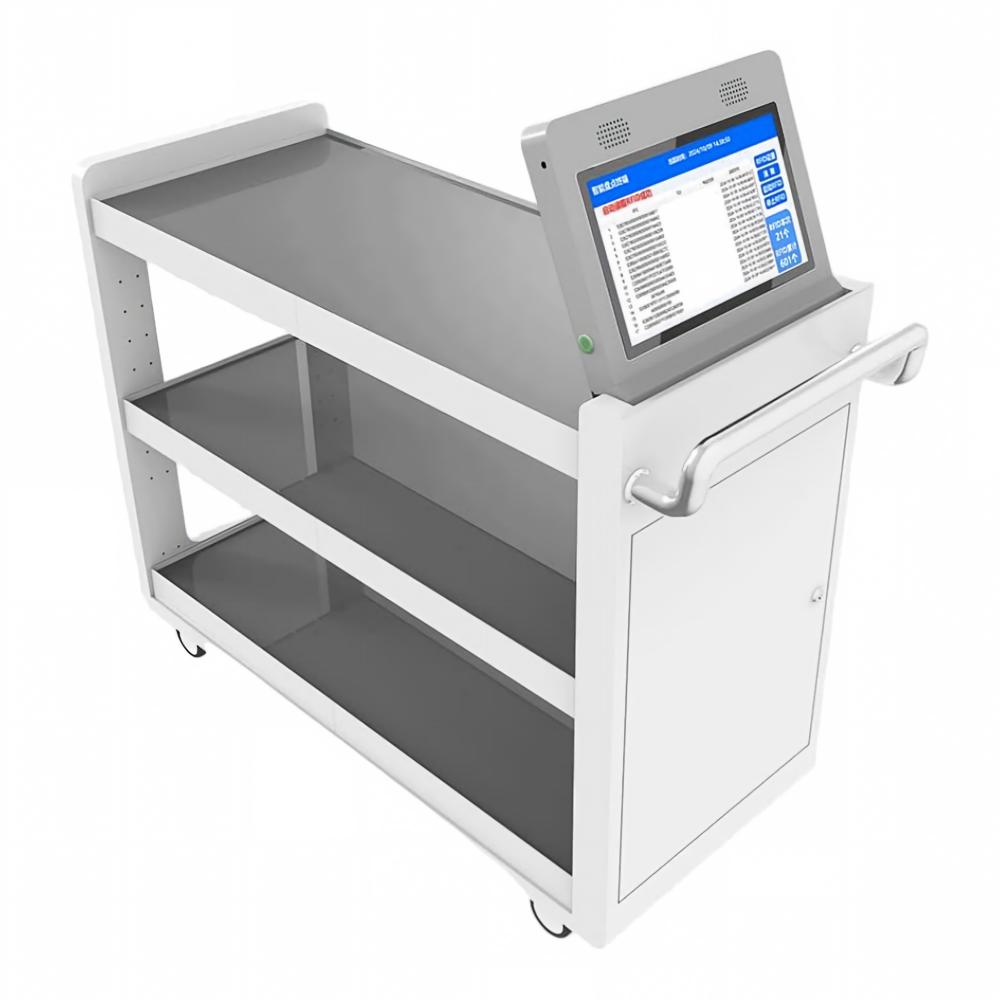
Key Features Fast Batch Identification UHF RFID technology enables fast identification of multiple tagged items. Integrated UHF RFID Reader The RFID reader is integrated into the mobile cart for inventory and data collection. EPC Tag Matching and Filtering The system supports EPC tag matching and duplicate-tag filtering to improve data accuracy. Automatic Inventory Counting Tagged items can be automatically identified and counted without manual item-by-item checking. Near-Field Antenna Design Each level includes four near-field antennas to control the RFID reading area. Controlled Misread Range The page states that unintended reading can be controlled within 15 cm. Mobile Item Storage The cart provides storage space for batch items, supporting item placement and movement during inventory operations. Adjustable Touchscreen The 14-inch capacitive touchscreen supports adjustable viewing angles.
Read More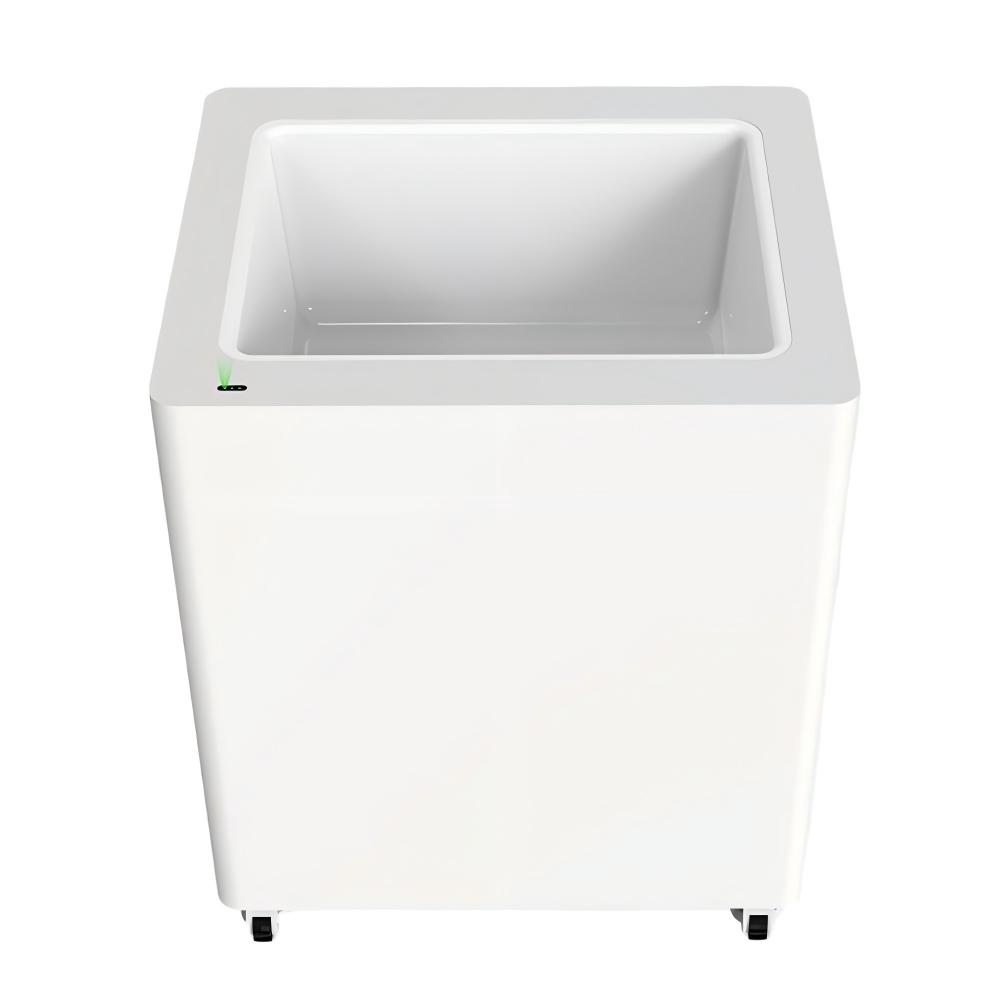
Key Features Batch Multi-Item Identification The device can accurately identify more than 30 tagged items in a single operation. Batch Reading and Writing It supports both batch RFID tag reading and batch RFID tag writing. Controlled Stray-Read Range The antenna design controls unintended surrounding tag reads within 20 cm. Automatic RF Power Adjustment The device can automatically adjust RF output power according to the item material and identification environment. External Display Support An external display can be connected for real-time sales-data updates and payment-information display. Serial Data Transmission The RS-232 interface supports stable data transmission between the device and connected systems.
Read More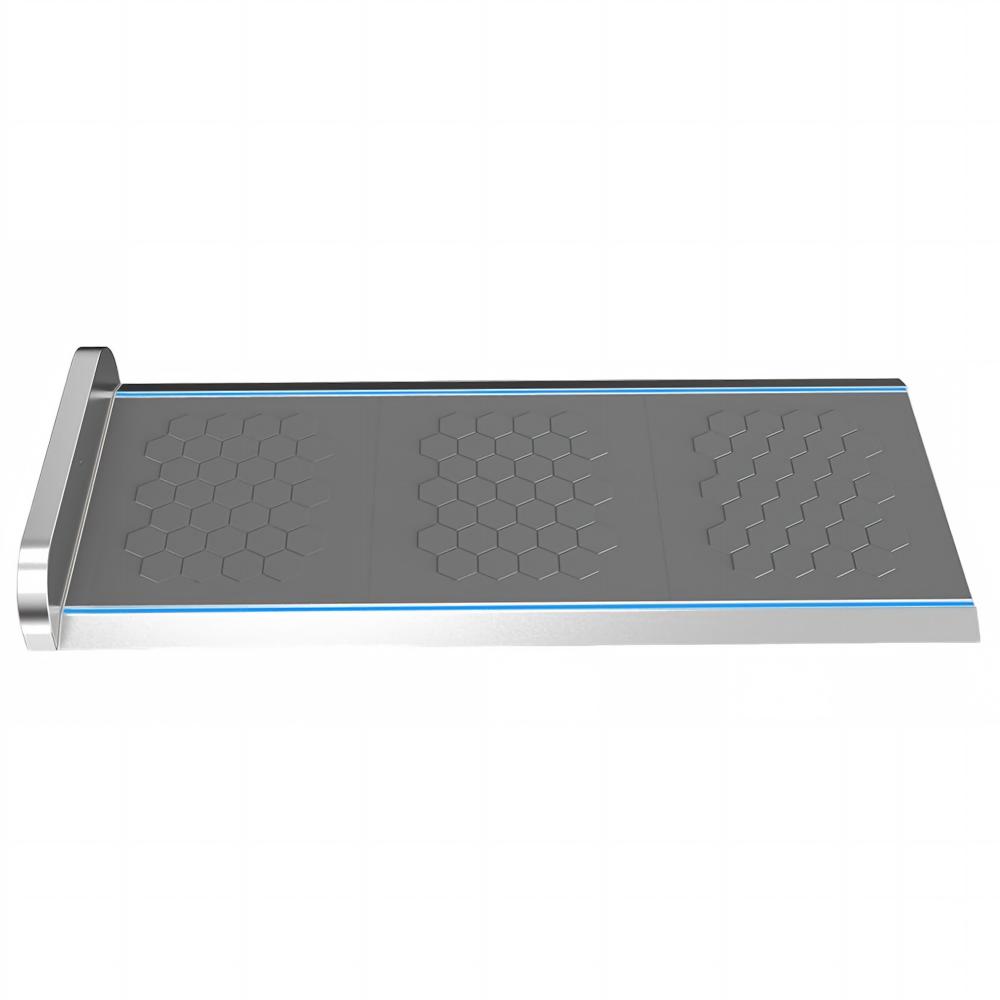
Key Features Floor-Triggered Identification The system can automatically trigger RFID identification when a person or tagged item passes through the detection area, supporting smoother passage without requiring manual operation. Direction Detection It automatically identifies entry and exit direction and displays the status of multiple tags. Dynamic Tag Identification The system reads moving RFID tags in real time and supports automatic recognition during passage. Tag Filtering Up to six EPC filtering rules are supported to reduce interference from non-target tags. Sound and Light Alarm The device includes a controllable buzzer and red/green light strips for abnormal-event alerts. Cloud Management MQTT-based cloud management supports centralized management of multiple access-control units, including status monitoring and remote parameter configuration. Offline Data Retransmission Local data can be cached when the network is disconnected and uploaded after connectivity is restored. Optional Spatial Sensor An optional top-mounted spatial sensor can trigger the system in advance to improve tag recognition performance.
Read More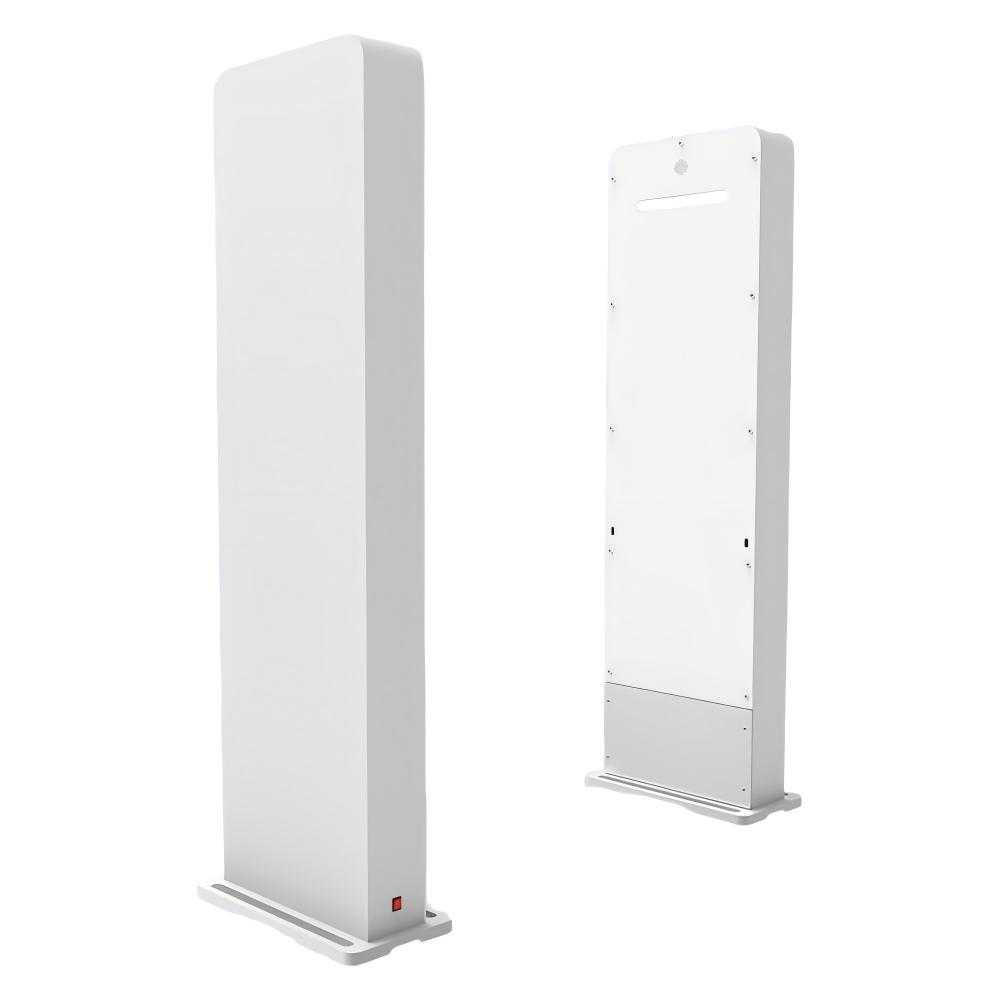
Key Features High-Speed Batch Reading The source states that the system can read more than 300 RFID tags in a single scan within 0.5 seconds. Dynamic Beam Coverage The page states that 16 antenna groups create a dynamic RFID identification field with a radius of approximately 3 meters. Offline Operation The system supports offline operation, with the page claiming missed-read rates of ≤0.001% and misread compensation response within 20 ms. Multi-Level Alarm Sound-and-light alarms can be triggered together with PDA or warehouse management system notifications. Infrared + RFID Tracking The system combines infrared sensing with RFID trajectory reconstruction to track item movement. Triple-Mode Communication Ethernet, Wi-Fi, and 4G are supported, with automatic switching between communication modes. The source states that offline retransmission can continue for at least 72 hours. Multi-Tag Filtering The RFID reader supports multi-tag identification, tag-data filtering, and RSSI signal-strength detection.
Read More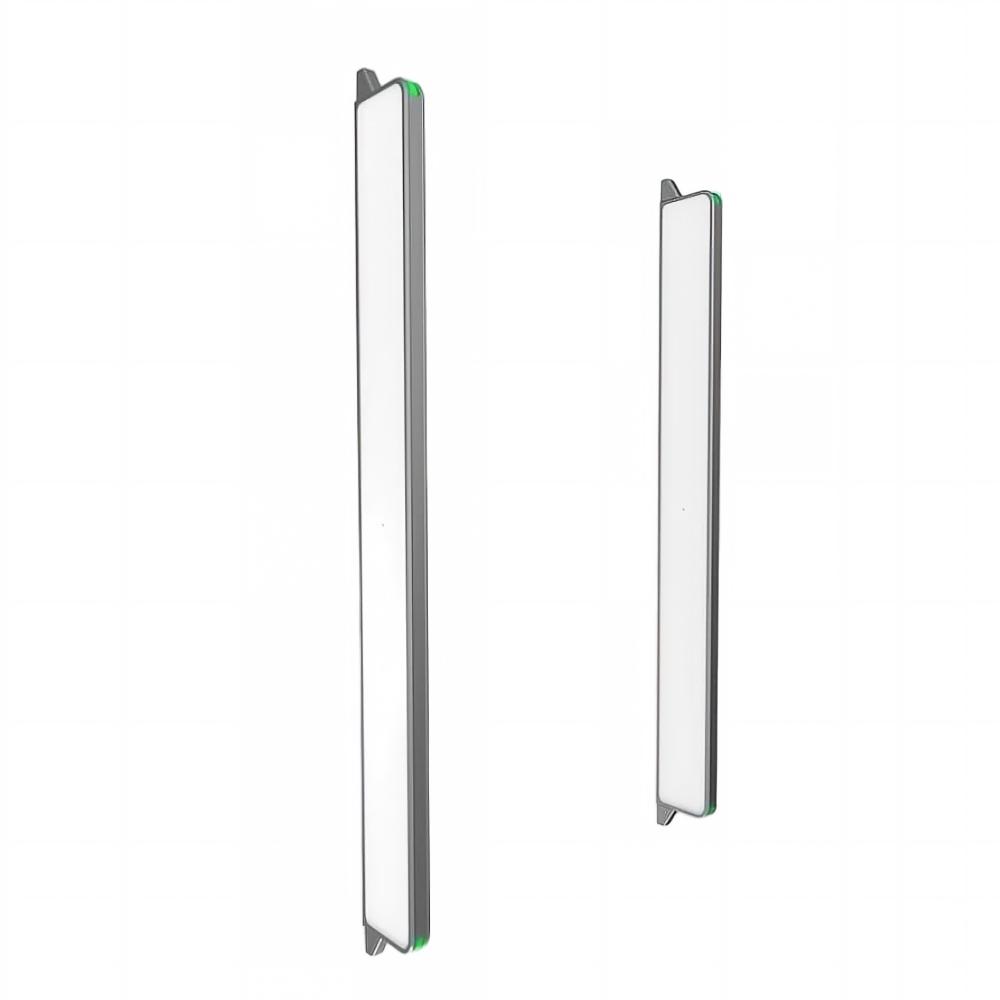
Key Features Multi-Tag RFID Reading Supports simultaneous identification of multiple UHF RFID tags and RFID tag data filtering. Infrared-Triggered Reading Infrared sensing automatically triggers RFID reading when someone passes through the detection area, reducing the need for manual operation. Sound and Light Alarm The system integrates warning lights and a buzzer and supports both online and offline EAS alarm modes. People Counting It supports automatic counting of people entering and leaving, with the corresponding data available for viewing. External Display Support An external monitor can be connected to display real-time inbound/outbound information and quantities. RSSI Signal Detection The RFID reader supports RSSI signal-strength sensing for tag identification and reading control. Compact Wall-Mounted Installation Its slim wall-mounted design is suitable for confined spaces such as warehouse aisles. Installation does not require floor slotting, and cables can be routed from either the top or bottom.
Read More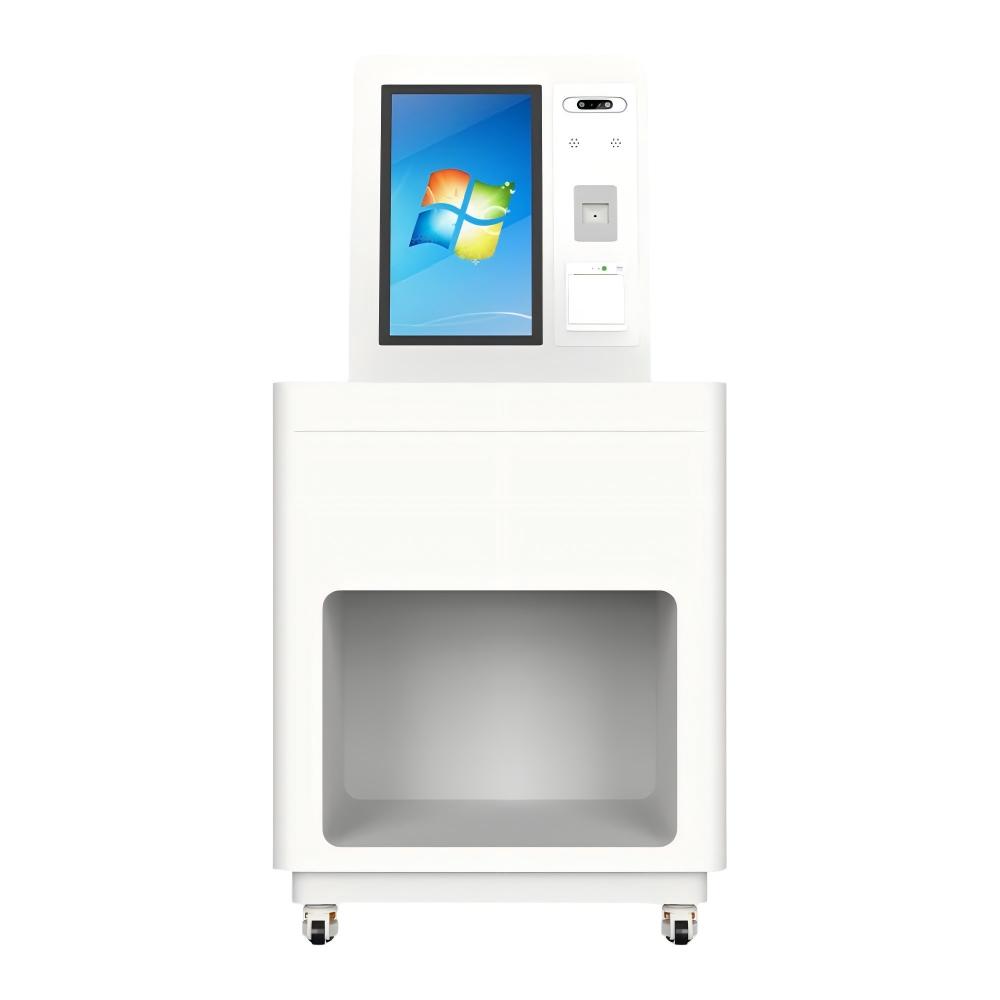
Key Features Multi-Tag RFID Reading Supports fast identification and reading of multiple UHF RFID tags during checkout. RFID Security Bit Rewriting The page states that the RFID tag anti-theft/security bit can be rewritten during checkout, allowing the security status to be changed as part of the transaction process. Sales Data Synchronization Sales information is updated in real time to support retail transaction and inventory management. 21.5-Inch Touchscreen The system uses a 21.5-inch capacitive touchscreen for self-service interaction and checkout information display. Ethernet Data Transmission An Ethernet interface is provided for system communication and data transmission. Optional Identification Functions QR code recognition, facial recognition, and Wi-Fi are listed as optional configurations.
Read MoreHi! Click one of our members below to chat on
 en
en 


 IPv6 network supported