RFID (Radio Frequency Identification) technology is revolutionizing library operations by enhancing efficiency, security, and user experience. As public and academic institutions transition to digital-first infrastructures, upgrading from legacy barcodes to a comprehensive Smart RFID Library Management System has become a strategic necessity. Here’s how RFID is transforming library book management at its core:
1. Faster and More Efficient Check-In/Check-Out
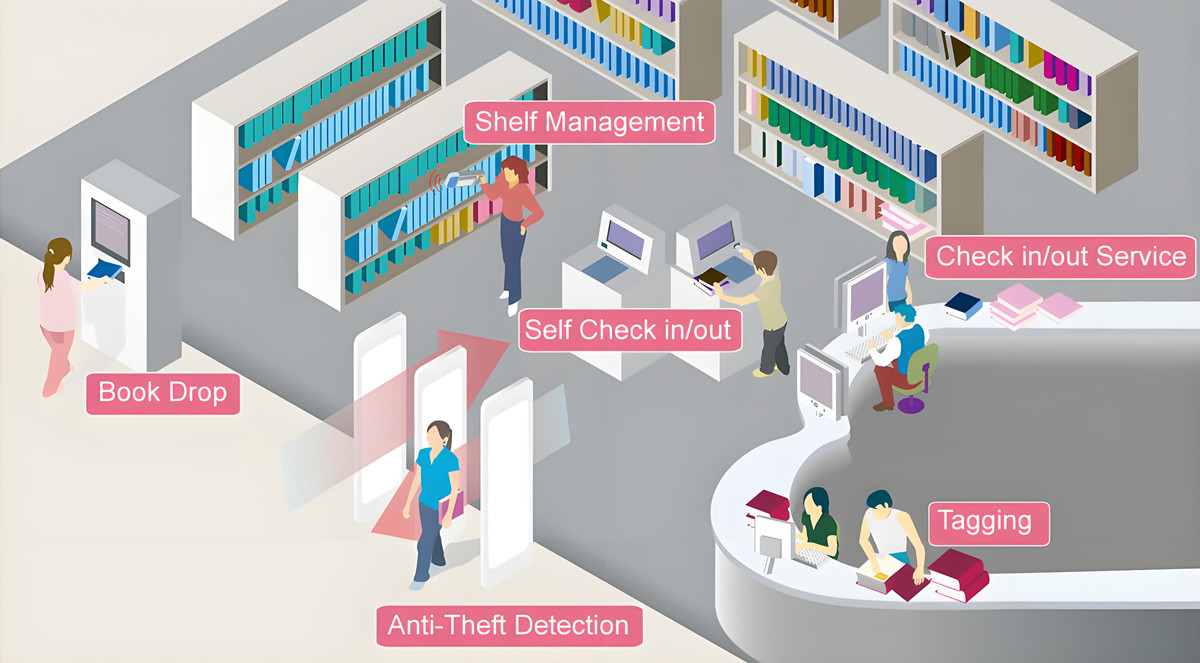
- Self-Service Kiosks: Patrons can borrow and return books independently by scanning multiple items simultaneously, significantly reducing queues during peak hours.
- Bulk Processing: Unlike traditional optical barcodes that require line-of-sight, RFID allows scanning multiple books at once (e.g., stacked returns) through radio wave penetration, saving tremendous staff time.
- Automated Returns: RFID-enabled book drops instantly update the database system when books are returned, accelerating the circulation cycle.
2. Improved Inventory Management
- Rapid Shelf Audits: Librarians can perform inventory checks in minutes using an Industrial UHF RFID Handheld Reader instead of manual scanning. This shifts the paradigm from individual scanning to bulk area sensing, capturing hundreds of spine tags per second.
- Real-Time Tracking: RFID tags help locate misplaced or misshelved books quickly through directional antenna feedback and audio-visual alerts.
- Automated Sorting Systems: High-volume libraries use RFID conveyor belts to automatically sort returned books by genre, floor, or section, minimizing manual handling.
3. Enhanced Anti-Theft and Security
- RFID Security Gates: Detect unauthorized book removals without proper checkout seamlessly by installing a robust Library RFID Security Gate System at facility exits, which triggers instant Electronic Article Surveillance (EAS) alarms.
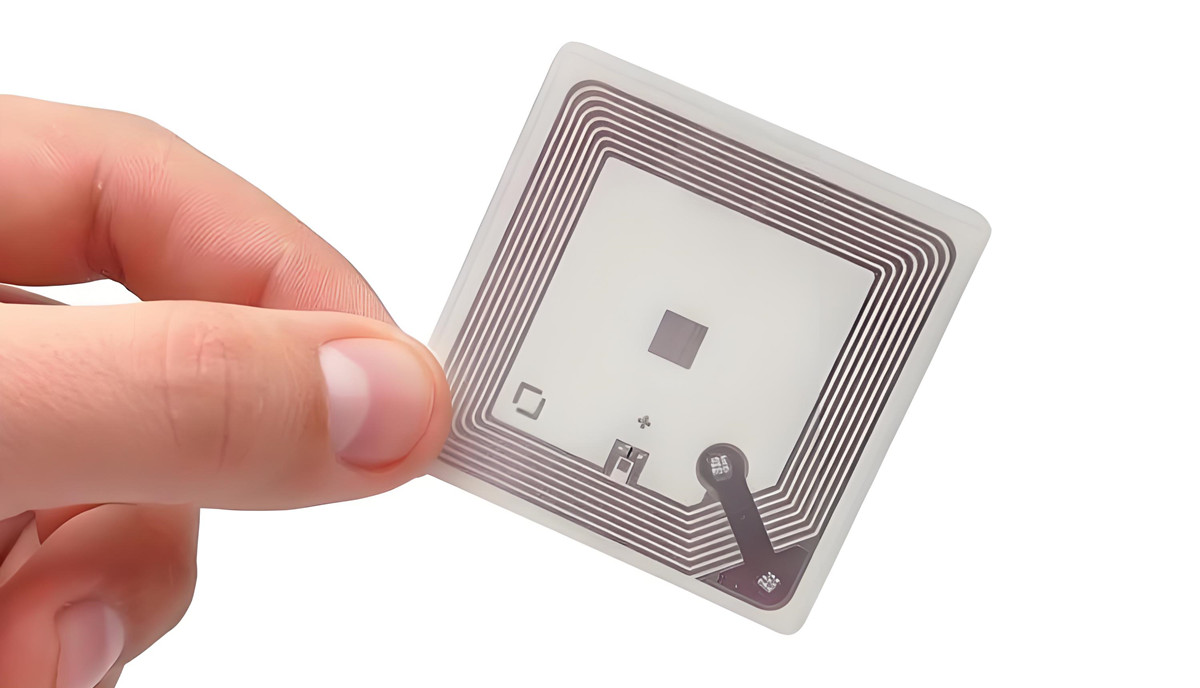
- Tamper-Proof Tags: Ultra-thin RFID paper tags are discreetly embedded within book pages or spines, making them much harder to locate and remove compared to traditional bulky magnetic strips.
4. Better User Experience
- Faster Searches: Patrons can use RFID-powered search stations to locate specific titles precisely within large archives.
- Mobile Integration: Forward-thinking libraries offer interactive mobile apps that guide users to a book’s exact shelf location via indoor RFID tracking capabilities.
5. Reduced Labor Costs & Human Errors
- Automation minimizes manual data entry and repetitive physical tasks, allowing trained staff to focus on high-value community engagement and customer service.
- Fewer scanning errors compared to barcode systems, ensuring the digital catalog perfectly matches physical inventory.
6. Long-Term Cost Savings
Though initial RFID implementation requires capital expenditure (CAPEX), it dramatically reduces operational expenditure (OPEX) by cutting labor hours, minimizing shrinkage (theft), and eliminating lost-book expenses over the technology's lifespan.
Challenges & Considerations
- Initial Setup Cost: Upgrading infrastructure with RFID tags, portals, and readers requires significant initial investment.
- Privacy Concerns: Some patrons worry about behavior tracking, though modern enterprise systems securely anonymize personal data within the database.
- Tag Reliability: Dense metals or liquids near books can cause RF interference, though modern UHF (Ultra-High Frequency) protocols and anti-metal tags are effectively solving these edge cases.
Future Trends
- Smart Shelves: Next-generation RFID-enabled shelves equipped with built-in antennas that auto-update inventory logs in real time 24/7.
- AI + RFID Integration: Combining radio frequency data with predictive analytics to forecast book demand, optimize shelf layouts, and trigger automated procurement.

Conclusion
RFID technology is making libraries smarter, faster, and more user-friendly. By automating tedious data entry tasks, establishing proactive security protocols, and enhancing the overall patron experience, RFID is becoming a mandatory foundation in modern library management systems.


 en
en 


 IPv6 network supported