

For modern apparel retailers, inventory management efficiency directly dictates profitability, customer satisfaction, and the success of long-term business strategies. In an era where consumer expectations are largely driven by instant gratification and seamless omnichannel experiences like BOPIS (Buy Online, Pick Up In Store), maintaining accurate inventory data is no longer an operational luxury—it is a critical requirement for survival. Traditional manual counting methods, which rely on individual barcode scanning, are inherently inefficient, labor-intensive, and highly inaccurate. However, UHF RFID (Ultra-High Frequency Radio Frequency Identification) handheld devices provide a seamless, automated, and data-driven alternative that is fundamentally revolutionizing retail operations from the distribution center to the sales floor.
The foundation of any successful retail operation begins at the loading dock. While traditional optical barcodes require a direct line-of-sight and tedious item-by-item scanning, an Industrial UHF RFID Handheld Reader changes the paradigm entirely. Leveraging advanced anti-collision algorithms and powerful electromagnetic wave propagation, these devices can capture hundreds of individual garment tags instantly—even when the apparel is densely packed inside sealed cardboard boxes or plastic transit totes.
This capability accelerates inbound receiving and outbound shipping operations by up to 80%. When a shipment arrives at the backroom, staff no longer need to unpack boxes to verify the manifest. A quick sweep with the handheld device validates the entire shipment against the ERP (Enterprise Resource Planning) system in seconds. This virtually eliminates human error, prevents vendor fraud, and ensures that the right seasonal collections hit the sales floor exactly when planned.

One of the most frustrating scenarios for both staff and customers is when the inventory system shows an item in stock, but it cannot be physically located in the store. Using RSSI (Received Signal Strength Indicator) technology, a Retail Apparel RFID Inventory Scanner acts much like a digital Geiger counter. It enables store associates to pinpoint the exact physical location of specific sizes, colors, or misplaced items within a densely packed backroom or a messy clearance rack.
As the worker walks through the aisles, the handheld device emits audio and visual cues that intensify as they get closer to the target garment. This micro-location tracking ensures garments are routed to the sales floor correctly, drastically reducing "lost" inventory, minimizing retail shrinkage (theft or administrative errors), and maximizing storage density in the backroom. Consequently, staff spend less time searching for items and more time engaging with customers.
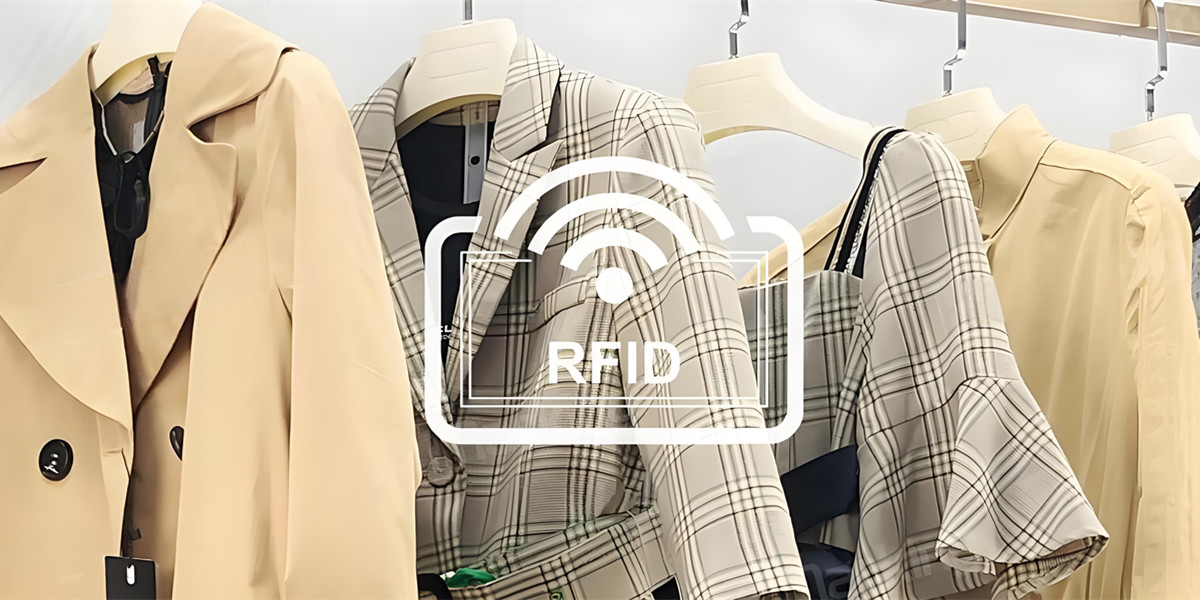
Historically, full-store inventory audits (stocktakes) were massive logistical nightmares. They traditionally required teams of staff or third-party auditors working overtime or overnight for days, disrupting normal business operations. Because of this high labor cost and operational friction, most retailers only performed stocktakes once or twice a year, leading to massive data degradation between audits. Typically, manual inventory accuracy hovers around a dismal 65%.
What took days can now be completed by a single worker in a matter of minutes. By utilizing a Rugged Android RFID Handheld Terminal, retailers can effortlessly increase cycle counting frequency from once a year to once a week, or even daily. The associate simply walks the store floor holding the device, capturing data from racks and shelves continuously. This process achieves a near-perfect 99% inventory accuracy rate without disrupting daily store operations, ensuring the digital ledger perfectly mirrors physical reality.
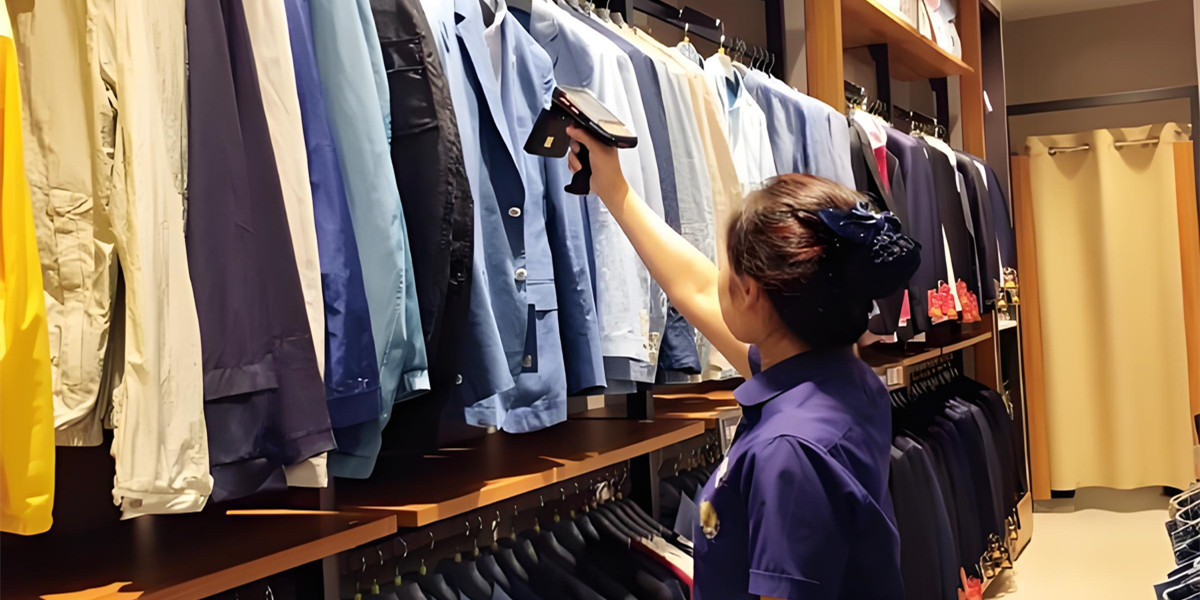
Out-of-stock scenarios are the leading cause of abandoned purchases and brand switching in the apparel sector. RFID technology bridges the critical visibility gap between the warehouse and the storefront. By maintaining real-time awareness of floor stock versus backroom stock, the integrated management system automatically flags low inventory and triggers instant replenishment alerts to store managers.
For example, if a popular medium-sized blue denim jacket is sold, the system immediately notifies the backroom staff to replenish that specific SKU on the sales floor. This dynamic replenishment ensures that safety stock is maintained, keeping bestsellers readily available on the rack. By having the right product, in the right size, at the right time, retailers can successfully turn browsing shoppers into loyal buyers, significantly boosting conversion rates and overall sales revenue.

Beyond basic counting, deploying RFID handhelds unlocks a treasure trove of actionable big data. When integrated with cloud-based analytics, the constant stream of scan data helps retailers identify buying trends and operational bottlenecks. Managers can analyze which garments are frequently tried on but rarely purchased, indicating potential issues with fit or pricing. Furthermore, this data helps in optimizing store layouts by mapping cold zones and hot zones, allowing visual merchandising teams to place high-margin items in high-traffic areas.
Looking toward the future, the foundation laid by handheld RFID readers paves the way for advanced IoT (Internet of Things) retail concepts. Innovations such as "Smart Fitting Rooms" (which suggest matching accessories on a digital mirror based on the RFID tags brought into the room) and seamless self-checkout kiosks rely entirely on the tag infrastructure and data hygiene established by consistent handheld auditing. The initial capital expenditure (CAPEX) of adopting RFID is rapidly offset by the massive reduction in operational expenditure (OPEX) and the tangible uplift in gross margins.
In conclusion, UHF RFID technology is not merely a hardware upgrade; it is a strategic business transformation. It proactively solves the apparel industry's most expensive operational challenges by delivering unparalleled data visibility across the entire supply chain. By adopting this technology, retailers can:
Hi! Click one of our members below to chat on
 en
en 


 IPv6 network supported