Enterprise inventory management system to choose the appropriate use, to enhance their economic efficiency
Dec 08, 2020
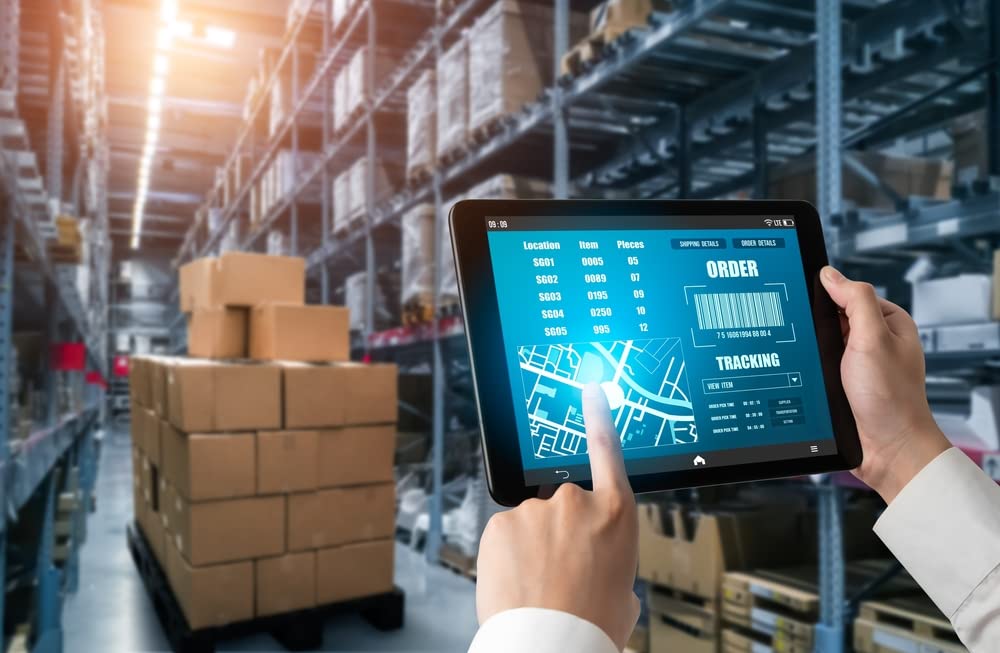
In the modern B2B industrial landscape, the difference between a thriving enterprise and a struggling one often lies in the precision of its warehouse operations. An Real Time Inventory Management System Software is no longer a luxury—it is the digital backbone of any organization that handles physical goods. Based on sophisticated information technology, these systems serve as a centralized hub for tracking stock levels, processing outbound orders, and managing inbound procurement. By integrating sales data with financial accounting, businesses can achieve a level of synchronization that was previously impossible, transforming the warehouse from a cost center into a strategic asset. The ability to query stock status instantly and generate automated statistical reports allows management to make data-driven decisions that directly enhance economic efficiency and market responsiveness.
Survival Of The Fittest: Overcoming Manual Warehouse Chaos
The "survival of the fittest" principle applies perfectly to supply chain management. Companies that cling to manual processes—relying on paper ledgers or fragmented spreadsheets—frequently face critical issues that erode customer trust. One of the most common pitfalls is the lack of clarity regarding issued versus unissued stock. When inventory data is disconnected from the sales floor, customers are often promised items that are actually out of stock, leading to cancelled orders and lost long-term relationships. Furthermore, inventory confusion leads to constant order modifications and inaccurate stock counts. Without a Online Asset Management Software System, employees are forced to engage in "double-checking" or repetitive manual verifications. This not only wastes hundreds of man-hours every month for logistics and warehouse personnel but also spikes labor costs and creates a culture of frustration. To survive in today’s competitive market, enterprises must identify their specific inventory pain points and select a system that automates the mundane, allowing human talent to focus on growth rather than error correction.
Digitization: The Path To Real-Time Data Visibility
True digitization goes beyond simply putting data on a screen; it’s about the seamless flow of information across the entire commodity circulation cycle. A modern inventory management system updates real-time data at every touchpoint—from the moment a pallet arrives at the receiving dock to the final dispatch of a customer package. By automatically generating comprehensive reports covering inbound, outbound, and sales metrics, the system provides a "single version of the truth" for the entire organization. This level of visibility enables the formulation of reasonable procurement plans. Instead of guessing based on gut feeling, procurement managers can use historical data to avoid the dual phenomena of overstocking (which ties up capital) and stockouts (which loses sales). Realizing this digital transformation is the first step toward achieving "lean" operations, where every square foot of warehouse space and every dollar of capital is utilized to its maximum potential.
Strategic Advantage: Improving Market Competitiveness
The ultimate goal of any technological upgrade is the improvement of market competitiveness. An integrated inventory management system serves as the core of the enterprise's business objectives, unifying manufacturing resources, sales plans, and production schedules under one umbrella. When production, procurement, and finance are fully integrated, the "Logistics, Information Flow, and Capital Flow" are synchronized in real-time. This synchronization allows for rapid, accurate decision-making that can pivot the company according to changing market demands. To truly bridge the gap between the physical warehouse and the digital system, many enterprises are now adopting the Handheld Android PDA For Inventory Control. These rugged mobile terminals allow workers to scan barcodes or RFID tags directly at the source, ensuring that the central database is updated the very second a move occurs. This synergy between high-performance hardware and intelligent software ensures that the information the CEO sees in the boardroom perfectly matches the reality on the warehouse floor. By reducing errors and accelerating fulfillment times, the enterprise doesn't just manage inventory better—it builds a reputation for reliability that competitors cannot match.
- END -
Read More


 en
en 


 IPv6 network supported