

In today’s era of same-day delivery and omnichannel retail, warehouse speed directly impacts cash flow and customer satisfaction. A fast-paced WMS System (Warehouse Management System) acts as the central nervous system — directing every move from receiving and putaway to picking, packing, and shipping.
But even the most powerful WMS software will struggle if it runs on a fragile, slow, or dust-sensitive device. That’s exactly where a rugged handheld terminal becomes not just an option, but a necessity for business continuity.
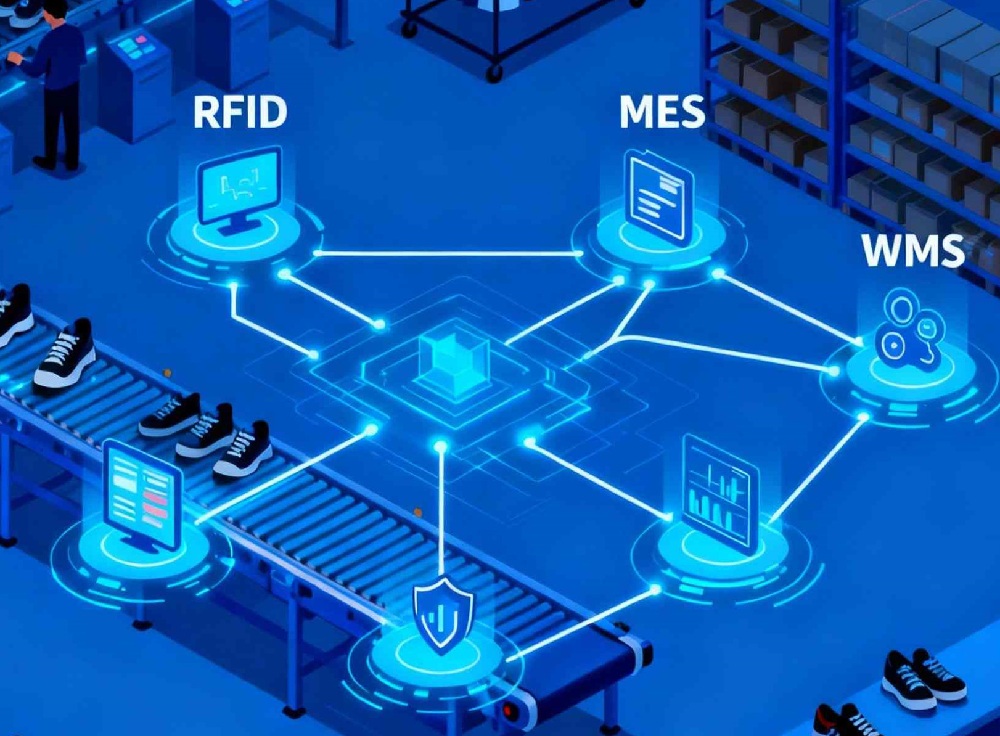
So what makes these tough devices the perfect partner for high-speed WMS environments? Let’s break it down.
1. Reliability: Eliminating Downtime Before It Happens
In a busy warehouse, every minute of downtime means order backlogs and lost productivity.
1> Drop and shock resistance
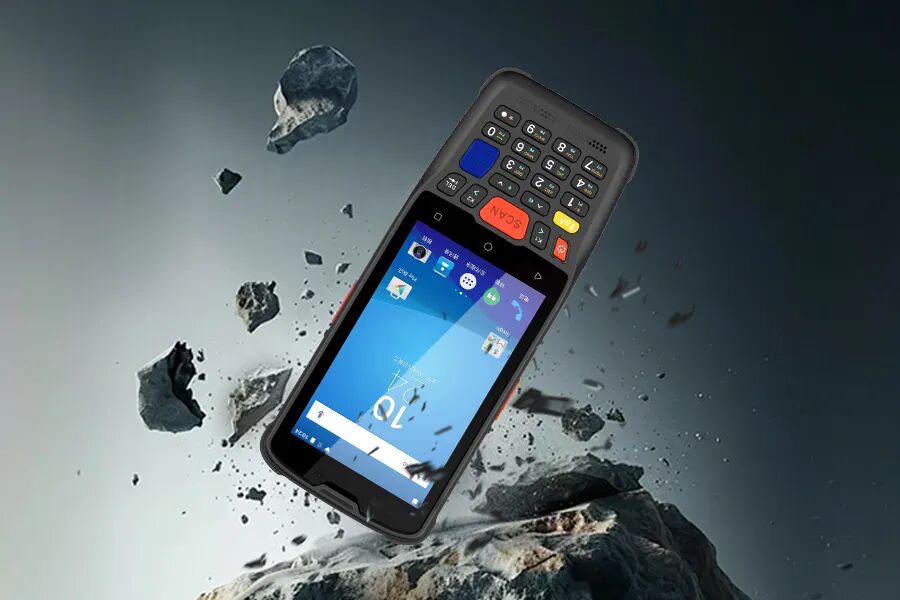
Warehouses are full of forklifts, racks, and concrete floors. Accidental drops happen constantly. A rugged handheld terminal typically meets MIL-STD-810G standards, surviving multiple 1.8m (6ft) drops to concrete. A consumer tablet might crack on the first fall — a rugged one just keeps working.
2> Water and dust protection
With IP67 or IP68 ratings, these devices survive condensation, washdowns, or heavy rain. In food warehouses, they can even be rinsed under a tap for sanitation.
Bottom line: A rugged terminal ensures your WMS System keeps running without interruption.
2. Scanning Efficiency: From Slow to Instant
The core of any WMS is real-time data. If scanning is slow or fails often, the entire pick path gets clogged.
1> Professional scan engine
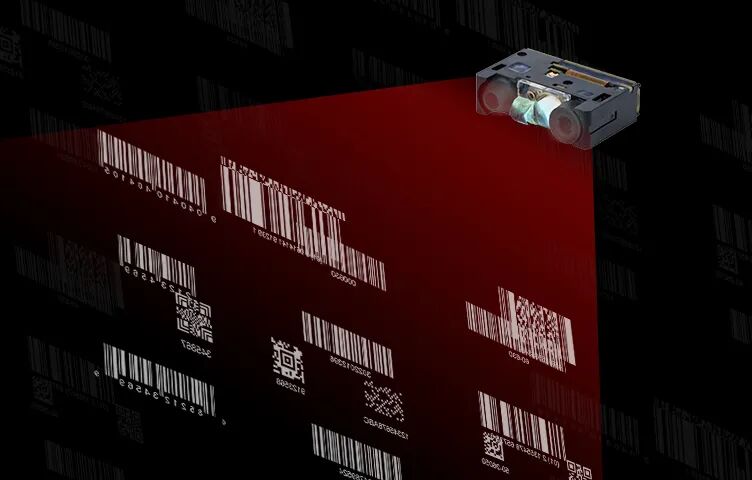
Unlike phone cameras, a rugged handheld terminal uses a professional laser or 2D imager. It reads damaged, dirty, or reflective barcodes in milliseconds — from inches to several feet away.
2> Batch processing
During high-volume receiving or shipping, the device can buffer scans without waiting for system confirmation, dramatically improving throughput.
Comparison: A consumer phone needs "aim → focus → wait → confirm." A rugged terminal just "aims and beeps." That’s often 300%+ faster.
3. Long Battery Life & Hot-Swap Support
Fast-paced WMS operations often run double shifts or 24/7. Devices can’t afford to stop for charging.
1> Hot-swappable batteries
Many rugged terminals allow battery changes without shutting down — true nonstop operation.
2> High-capacity batteries
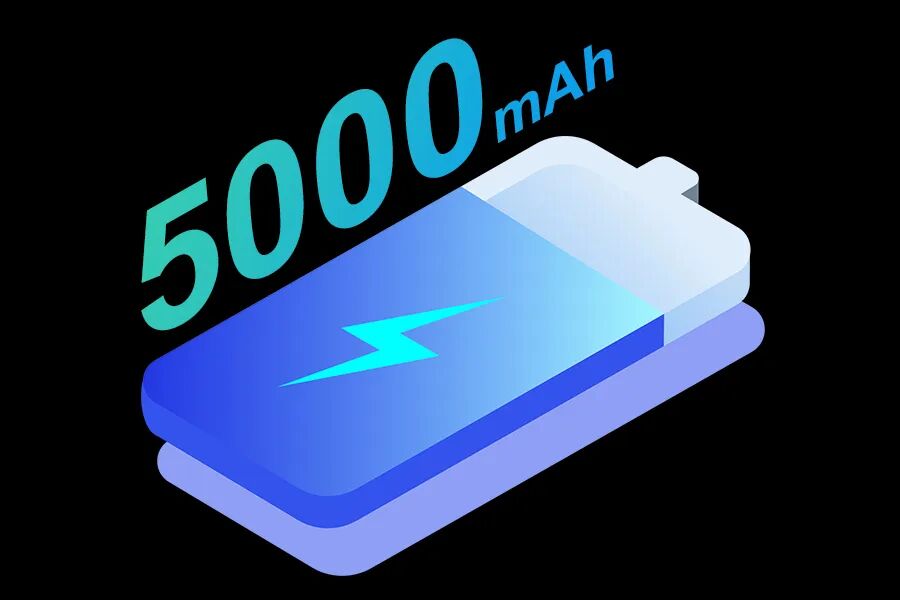
Typical 4000mAh to 7000mAh batteries easily support full shifts, with charging cradles and multi-bay chargers for easy fleet management.
4. Extreme Environment Readiness: Cold Storage & Outdoor Use
Not all warehouses are temperature-controlled.
1> Cold storage models
In -20°C to -30°C Cold-chain environments, standard screens freeze and batteries die. A true industrial handheld computer features heated touchscreens and low-temperature batteries, and works with thick gloves.

2> Sunlight-readable displays
On outdoor yards or loading docks, the screen stays visible even in direct sunlight, with glove-and-wet-hand support.
5. Seamless Integration with Your WMS System
A rugged terminal isn’t just a scanner — it’s a full computer running Android, Windows, or Linux.
1> High-speed connectivity
Wi-Fi 6 and 4G/5G ensure real-time sync with your WMS System, even inside metal-heavy warehouses.
2> Rich I/O options
USB-C, RS232, and Ethernet ports make it easy to connect printers, scales, or other peripherals.
3> Manageability
Enterprise-grade devices support MDM (Mobile Device Management), allowing IT teams to push WMS apps, lock lost devices, or restrict non-work apps remotely.
Real-World Example: Without a Rugged Terminal…
Imagine this: Peak season. A worker drops their standard tablet from a picking cart. The screen shatters. Replacement takes 30 minutes. In that time, hundreds of orders are delayed.
Now with a rugged handheld terminal: same 2m drop. Pick it up. Screen intact. The WMS app is still running. The scanner beeps instantly. Orders keep flowing.
Summary: Certainty Is What Matters
For a fast-paced WMS System, a rugged terminal delivers more than just a tough shell — it delivers certainty:
Certainty of uptime (no unexpected failures)
Certainty of scan speed (no lag)
Certainty of connectivity (no dropped sync)
Certainty of all-day power (no midday shutdown)
When your WMS is already optimized, the bottleneck is often the device in your worker’s hand. Choosing the right industrial handheld computer or industrial mobile computer gives your WMS the reliable “hands and feet” it needs — turning software logic into real-time physical action.
Still using consumer-grade devices in your warehouse? Maybe it’s time to upgrade.

------------------------
Hi! Click one of our members below to chat on
 en
en 


 IPv6 network supported