



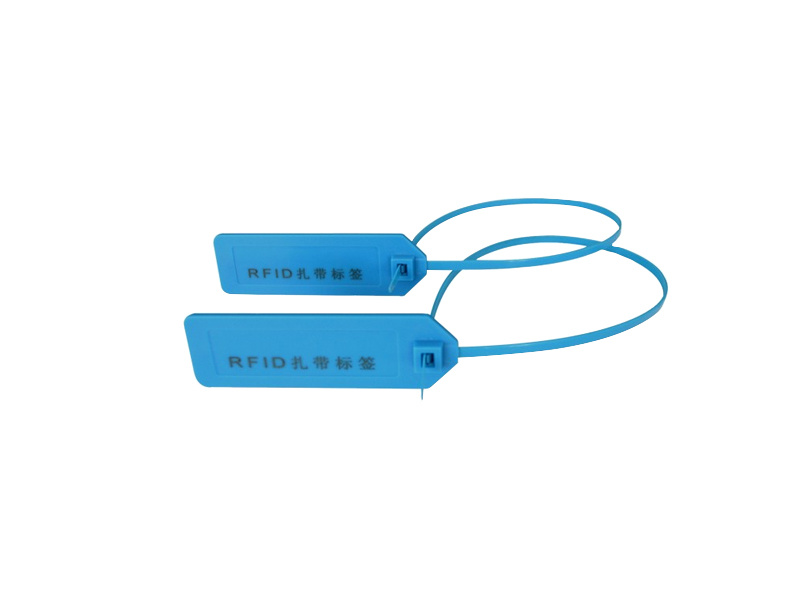

One-Way Locking Design
A metal locking piece is installed inside the buckle. Once the cable tie is inserted and tightened, it cannot be pulled back out easily, providing a secure sealing effect.
Stable RFID Reading
The RFID chip section remains outside the tied object, reducing interference from the material of the container or cargo and helping maintain stable reading performance.
Durable PP Housing
The tag is waterproof, corrosion-resistant, impact-resistant, and resistant to daily wear, making it suitable for logistics, warehousing, and outdoor transportation applications.
Long-Range Identification
The tag supports long-range reading with compatible fixed RFID readers and can also be identified using handheld RFID terminals.
Unique Cargo Identification
Each tag can carry a unique RFID code linked to container numbers, cargo records, shipment details, inspection status, and delivery information in the management system.
Customizable RFID Chip
Alien Higgs-3 is available as the standard chip, while other UHF RFID chips can be provided according to project requirements.
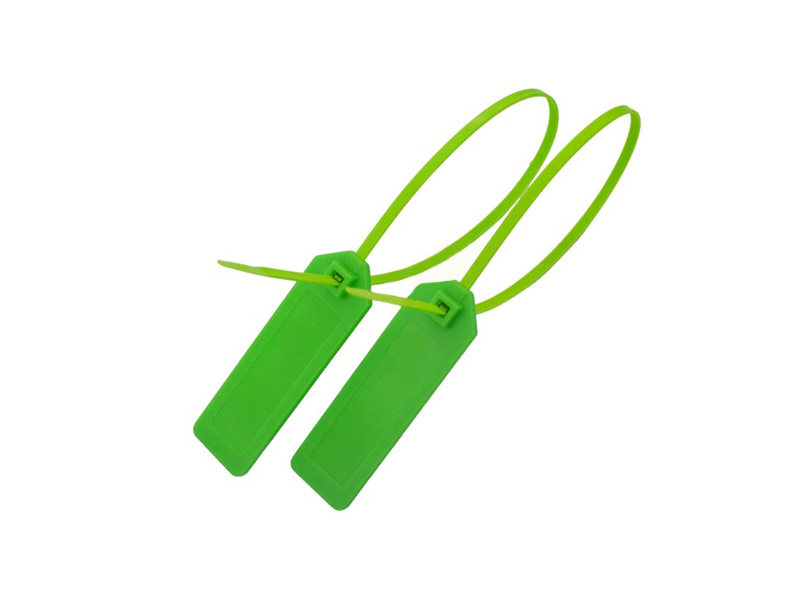
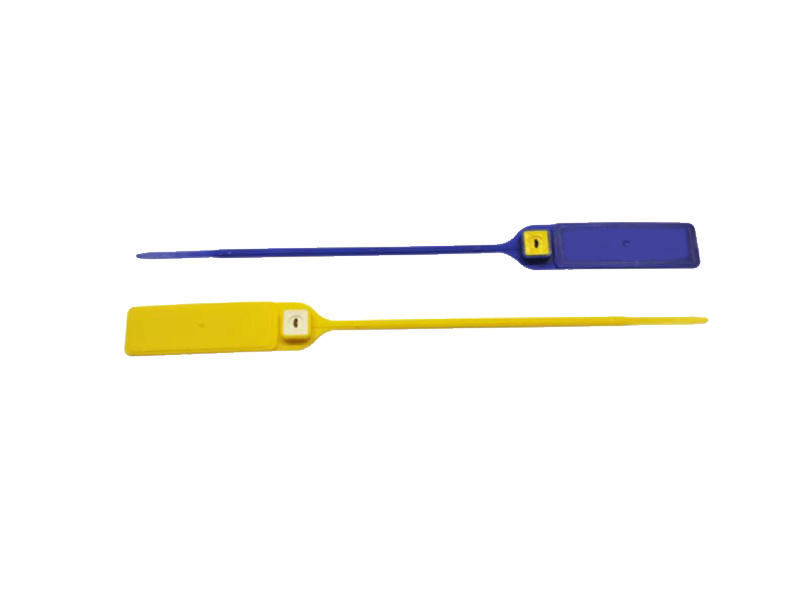
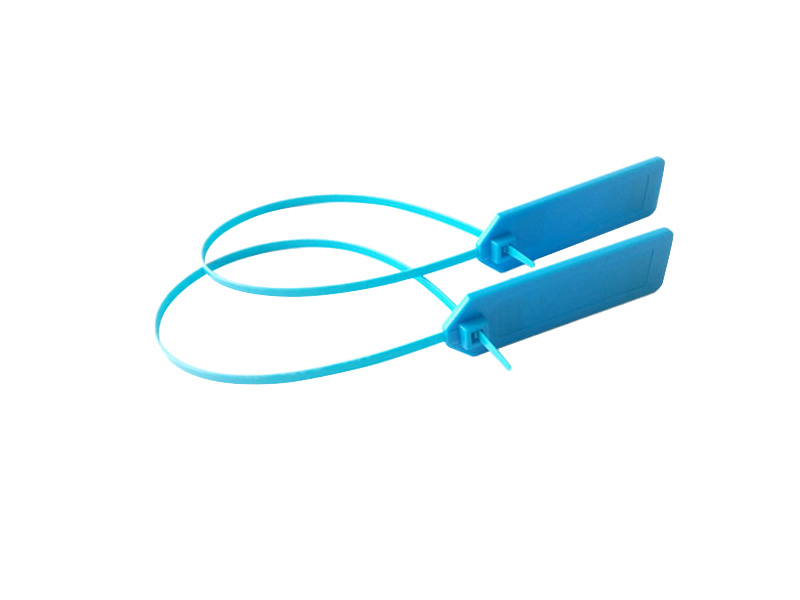
This UHF RFID cable tie tag is made from durable PP plastic with an RFID chip securely embedded inside. It is waterproof, impact-resistant, corrosion-resistant, wear-resistant, and suitable for long-term use in logistics and transportation environments.
The tag is designed for containers, cargo boxes, pallets, bags, and other secured items. It helps identify sealed cargo, record shipment information, simplify inventory checks, and reduce the risk of unauthorized replacement, loss, or incorrect handling.
Actual reading distance may vary depending on the RFID reader, antenna, output power, installation method, and operating environment.
In logistics operations, goods are often consolidated into large containers or cargo boxes for transportation. The RFID cable tie tag can be used to seal and identify each container while linking it to detailed cargo and shipment records.
At receiving, transfer, inspection, and delivery points, staff can scan the RFID tag to verify the container identity and access the associated cargo information. This helps improve shipment handover, inventory checking, and delivery verification while reducing manual recording errors.
When connected to an RFID logistics management system and reader infrastructure, the tag can also provide scan records at key checkpoints throughout the transportation process.
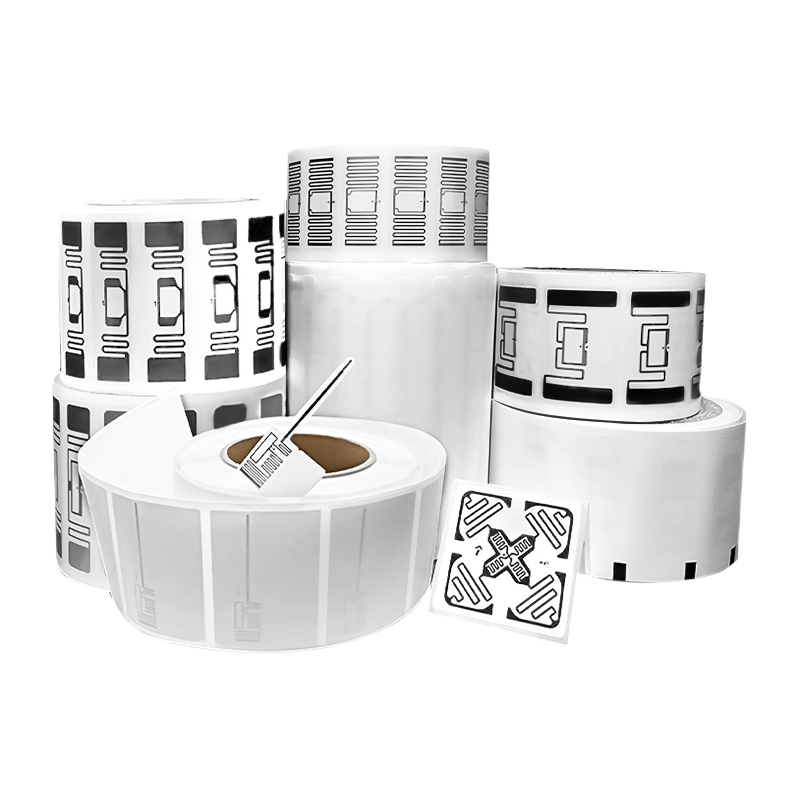
Target Applications 1. Libraries-Book tracking, anti-theft, self-checkout for High-speed inventory, reduced manual scanning errors 2. Warehousing-Pallet/container tracking, inventory management for Bulk reading (100+ tags/sec), improves logistics efficiency 3. Retail-Smart shelves, item-level tracking, anti-counterfeiting for Real-time stock updates, seamless checkout 4. Linen/Fabric-Hospital/laundry textile tracking (uniforms, towels, bedsheets) for Withstands high-temperature washing, durable against abrasion 5. Laundry-Automated sorting, lifecycle management for Reduces loss, optimizes workflow Customization Options 1. Tag Materials & Durability Paper/PET Labels – Cost-effective for retail/logistics. Washable Fabric Tags – Silicone/TPU encapsulation for linen/laundry (IP67/IP68). High-Temp Resistant – For industrial laundry (up to 200°C). Adhesive Backing – Permanent or removable (for reusable assets). 2. Sizes & Shapes Standard sizes: 50×30mm, 75×45mm, or custom dimensions. Flexible/rigid options for curved surfaces (e.g., bottles, containers). 3. Encoding & Printing Pre-encoded EPC numbers (GS1 compliant). Barcode/QR code + human-readable text printing (thermal transfer/laser). 4. Special Features Anti-Metal Tags – For metal shelves/containers. Tamper-Proof Designs – Destructible labels for security.
Read More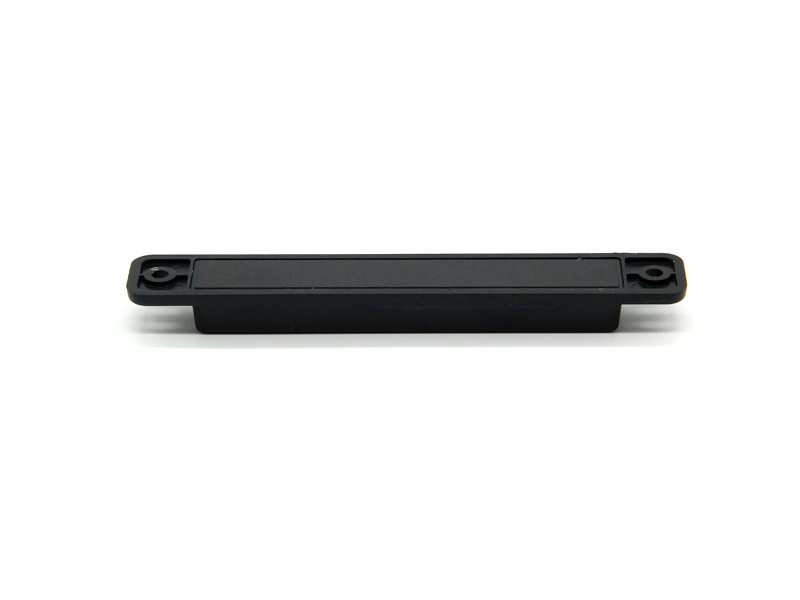
Product Overview This passive UHF RFID on-metal tag is designed for reliable identification and tracking of assets attached to metal surfaces. It offers long reading distance, stable performance, strong durability, and cost-effective deployment for industrial and enterprise asset management. Key Features The rugged housing helps protect the internal RFID chip from impact, dust, moisture, and daily wear. It supports installation with high-performance adhesive or screws, making it easy to attach securely to different types of metal equipment. When used with handheld or fixed RFID readers, the tag enables fast, contactless identification without direct line-of-sight scanning, helping improve inventory efficiency and reduce manual workload. Applications Widely used for tool tracking, medical equipment management, laboratory instrument tracking, production line equipment management, IT asset tracking, telecommunications equipment management, warehouse inventory, and fixed asset management.
Read More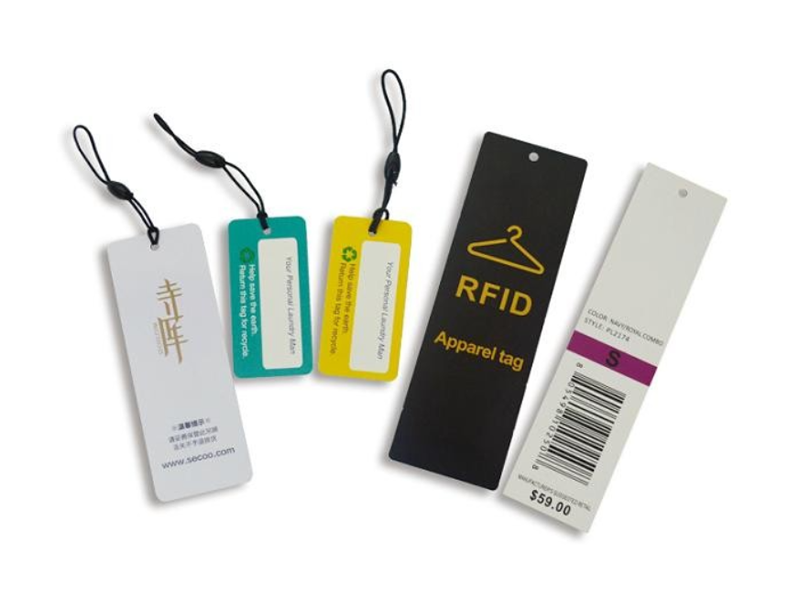
Product Overview This RFID apparel hang tag is made from paper or PVC material, with the RFID inlay embedded inside the tag. The surface can be customized with printed content such as brand logos, product information, barcodes, and other designs. The tag supports long-range identification, bulk reading, and anti-counterfeiting applications. It can be attached directly to garments using a standard hanging method, making it suitable for apparel inventory and retail store management. RFID for Apparel Management Apparel sales can be affected by many factors, including selling season, store location, consumer preferences, fashion trends, and product pricing. Therefore, real-time tracking of inventory and sales status is an important part of apparel business management. By applying RFID technology, apparel companies can identify multiple garments quickly, improve inventory visibility, accelerate stocktaking, and increase operational efficiency across warehouses and retail stores.
Read More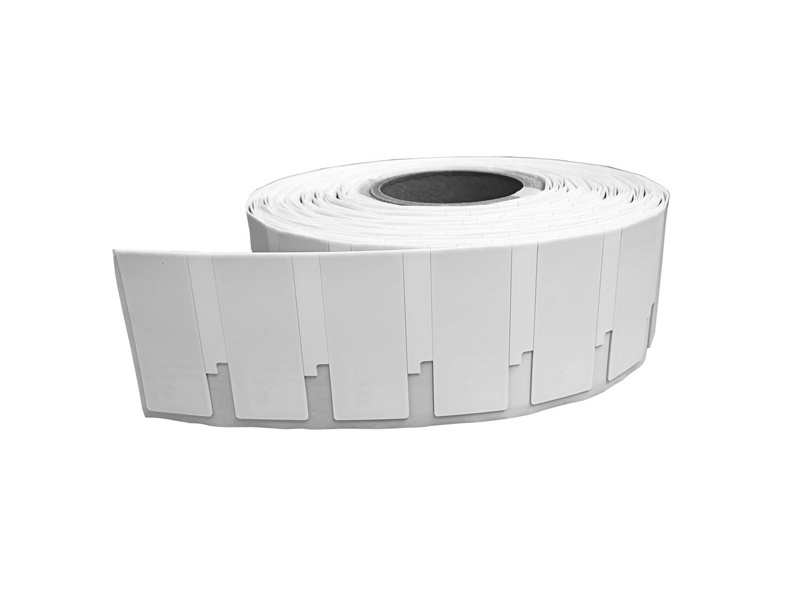
Product Overview This UHF flexible printable RFID on-metal label is made with a special flexible material designed for use on irregular, curved, or uneven metal surfaces. Unlike conventional rigid on-metal tags, it can be attached more easily to curved metal equipment while maintaining reliable RFID reading performance. The label complies with EPC Class 1 Gen 2 and ISO/IEC 18000-6C standards and can be encoded and printed using compatible RFID printers. Key Features Flexible design for curved and irregular metal surfaces Reliable reading performance when attached to metal Printable and encodable with compatible RFID printers Lightweight and low-profile construction Custom printing, coding, barcode, and serial number services Suitable for industrial asset and equipment identification
Read More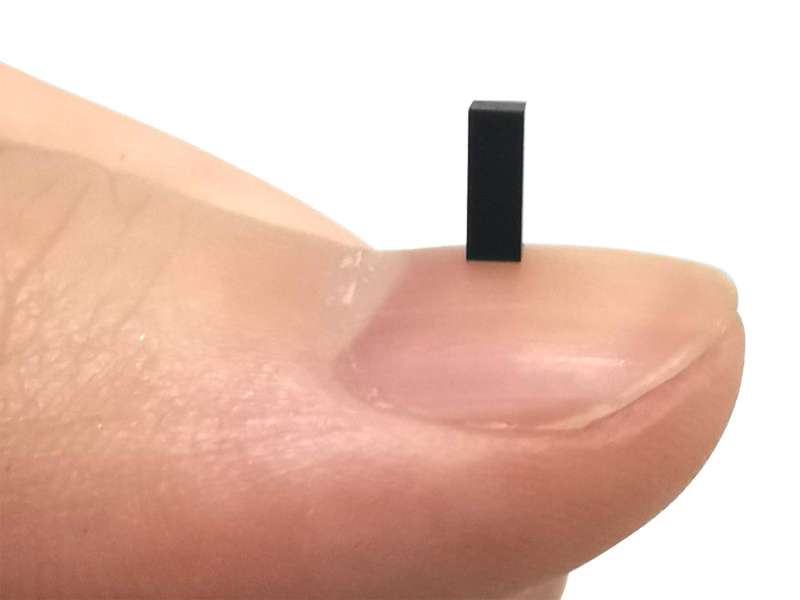
Key Features Ultra-compact design for small metal assets Reliable RFID performance on metal surfaces Suitable for surface mounting or embedded installation Resistant to extremely low and high temperatures Corrosion-resistant industrial construction IP67 water and dust protection Supports bulk and closely spaced tag reading Wide operating frequency range
Read More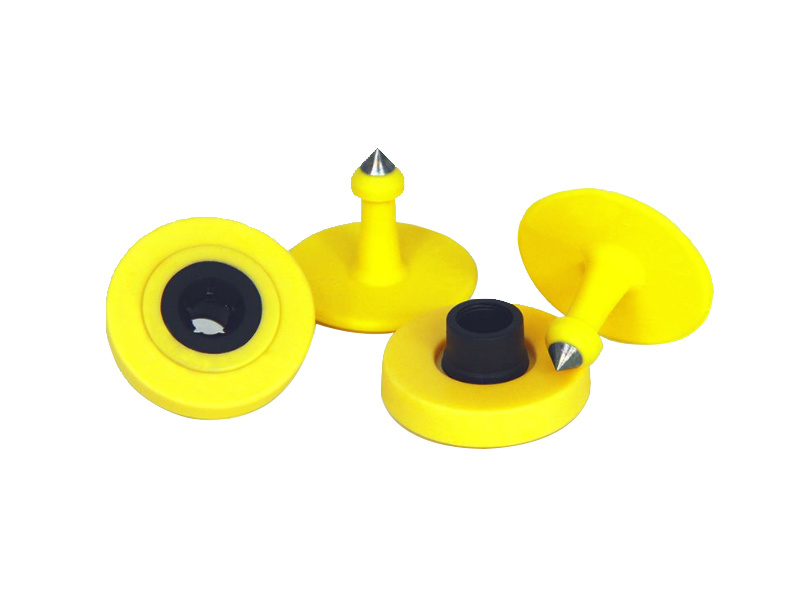
Key Features: Individual electronic identification for livestock Suitable for pigs, cattle, sheep, and other animals Compatible with ISO/IEC 18000-6C UHF RFID systems 192-bit chip memory structure Waterproof and resistant to sunlight and prolonged moisture exposure IP67 protection rating Impact- and vibration-resistant construction Strong connection between the male and female tag components Custom sizes, colors, and UHF chips available
Read More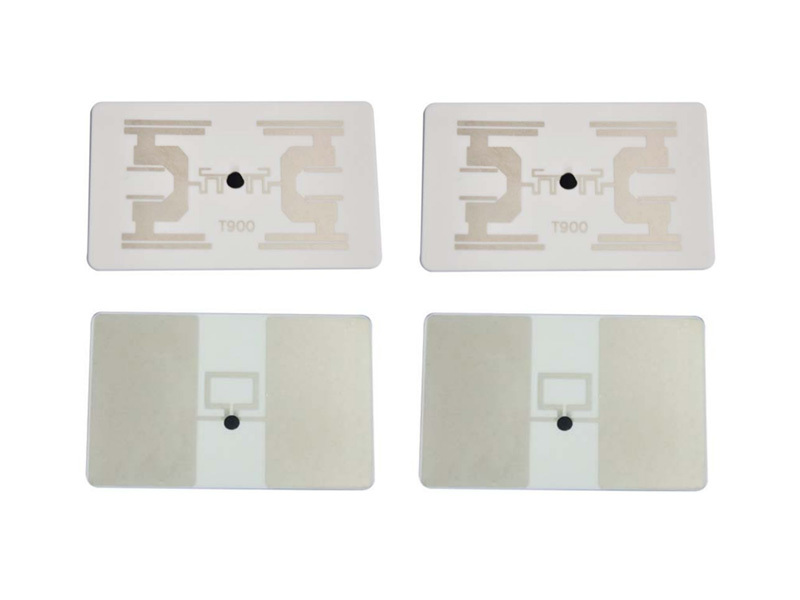
Key Features Tamper-Evident Design The fragile ceramic structure breaks when removal is attempted, making the tag unusable and helping prevent unauthorized transfer or reuse. Reliable Windshield Performance Designed for stable RFID reading when mounted on vehicle glass, making it suitable for vehicle identification and access control. Anti-Transfer Protection Once installed, the tag remains linked to the original vehicle and cannot be moved to another vehicle without damage. High-Temperature Resistance The ceramic substrate provides stable performance in high-temperature vehicle environments. Contactless Vehicle Identification Supports fast RFID recognition without manual barcode scanning, improving vehicle entry and exit efficiency. Custom Printing The surface supports silkscreen printing for logos, serial numbers, vehicle codes, and other identification information.
Read More
Key Features One-Way Locking Design A metal locking piece is installed inside the buckle. Once the cable tie is inserted and tightened, it cannot be pulled back out easily, providing a secure sealing effect. Stable RFID Reading The RFID chip section remains outside the tied object, reducing interference from the material of the container or cargo and helping maintain stable reading performance. Durable PP Housing The tag is waterproof, corrosion-resistant, impact-resistant, and resistant to daily wear, making it suitable for logistics, warehousing, and outdoor transportation applications. Long-Range Identification The tag supports long-range reading with compatible fixed RFID readers and can also be identified using handheld RFID terminals. Unique Cargo Identification Each tag can carry a unique RFID code linked to container numbers, cargo records, shipment details, inspection status, and delivery information in the management system. Customizable RFID Chip Alien Higgs-3 is available as the standard chip, while other UHF RFID chips can be provided according to project requirements.
Read More
Key Features Washable and Reusable The tag can withstand repeated washing, soaking, rubbing, and daily laundry processing, making it suitable for long-term textile identification. High-Temperature Resistance The PPS housing supports use in high-temperature washing, drying, and ironing environments within the specified temperature range. Durable PPS Construction The engineering plastic housing provides resistance to corrosion, abrasion, compression, and strong water flow. Multi-Tag Identification The tag supports near-field reading of multiple tagged items, helping improve laundry sorting, counting, and handover efficiency. Anti-Interference Design The antenna and encapsulation structure are designed to support stable RFID identification in dense textile and laundry environments. Multiple RFID Frequency Options The tag can be equipped with LF, HF, or UHF chips according to the required reading distance, system design, and application environment.
Read More
Key Features Thin and Flexible Design With a thickness of approximately 0.1 mm, the label can be integrated into garments and textile products without adding noticeable bulk. Sew-In or Heat-Applied Installation The label can be sewn into fabric or attached using a suitable heat-transfer process, depending on the product and application requirements. Water- and Dust-Resistant The coated nylon construction helps protect the RFID inlay from moisture, dust, bending, and normal handling. Contactless Item Identification The RFID chip provides each garment or textile item with a unique digital identity, supporting fast product identification without direct line-of-sight scanning. Supports Laundry Workflow Management When connected to an RFID laundry management system, the label can support item registration, sorting, washing, drying, ironing, collection, and return records. Customizable Size and Chip The label dimensions and RFID chip can be customized according to the required frequency, reading distance, and application environment.
Read More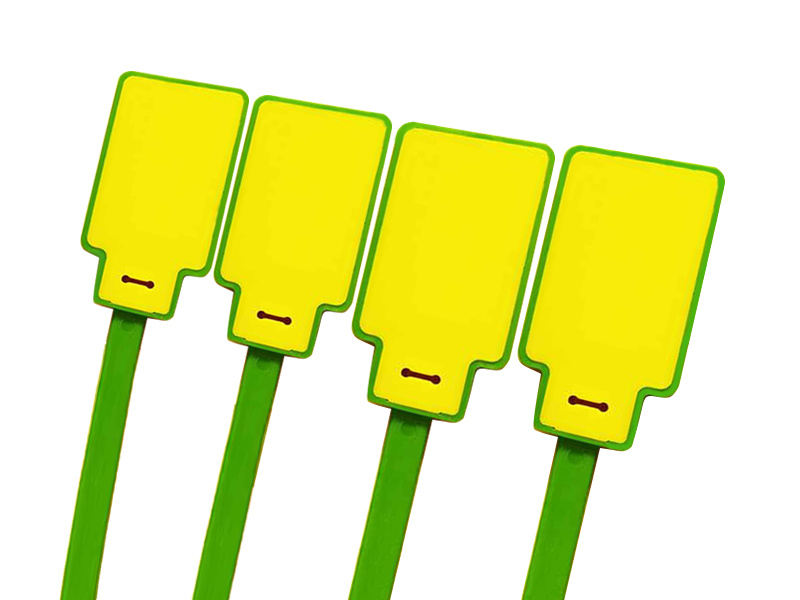
Key Features One-Way Locking Structure A metal locking piece is installed inside the buckle. Once the cable tie is inserted, it cannot be pulled back out easily, helping prevent unauthorized removal or reuse. Stable RFID Reading The RFID chip section remains outside the tied item, reducing interference from the material of the object and helping maintain stable reading performance. Durable PP Construction The tag is waterproof, impact-resistant, corrosion-resistant, and resistant to daily wear, making it suitable for logistics, food processing, agriculture, and outdoor applications. Product-Level Traceability Each tag can carry a unique RFID code linked to production, processing, inspection, transportation, inventory, and sales information. Long-Range Identification The tag can be identified using compatible fixed RFID readers and handheld RFID terminals, supporting faster checking and data collection. Customizable RFID Chip The standard chip is G2XM, while other UHF RFID chips can be customized according to the required memory, frequency, and reading performance.
Read More
Key Features 13.56 MHz HF RFID Technology The label operates at 13.56 MHz and complies with ISO 15693 and NFC Forum Type 5 Tag standards. Passive Operation No battery is required. The label is powered by the electromagnetic field generated by a compatible RFID reader. Unique Book Identification Each label can be linked to book information such as title, ISBN, category, shelf location, borrowing status, and inventory record. Durable Data Storage The chip supports up to 100,000 write cycles and retains stored data for up to 10 years. Thin Adhesive Design The glassine liner and aluminum-etched antenna structure make the label suitable for discreet installation inside books. Supports Library Automation When connected to compatible RFID equipment and software, the label can support circulation, inventory counting, book searching, sorting, and self-service borrowing and returns.
Read More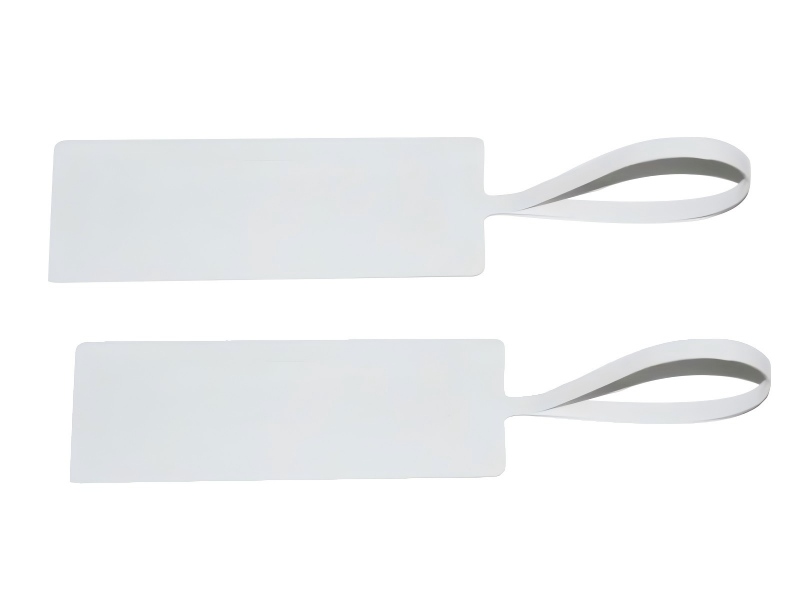
Key Features Item-Level Identification Each RFID tag carries a unique code that can be linked to an individual jewelry item, helping businesses manage products more accurately. Fast Inventory Counting Multiple tagged items can be identified without scanning each barcode individually, helping reduce stocktaking time in jewelry stores, warehouses, and display areas. Rewritable RFID Data The chip memory can be rewritten, allowing product data to be updated according to inventory, pricing, or operational requirements. Custom Printing The PVC surface can be printed with logos, product details, prices, serial numbers, barcodes, and personalized designs. Improved Inventory Accuracy RFID helps reduce missed scans, duplicate records, and manual counting errors, supporting more accurate stock records. Compact Retail Design The tag is suitable for small, high-value products and can be attached without significantly affecting product presentation.
Read More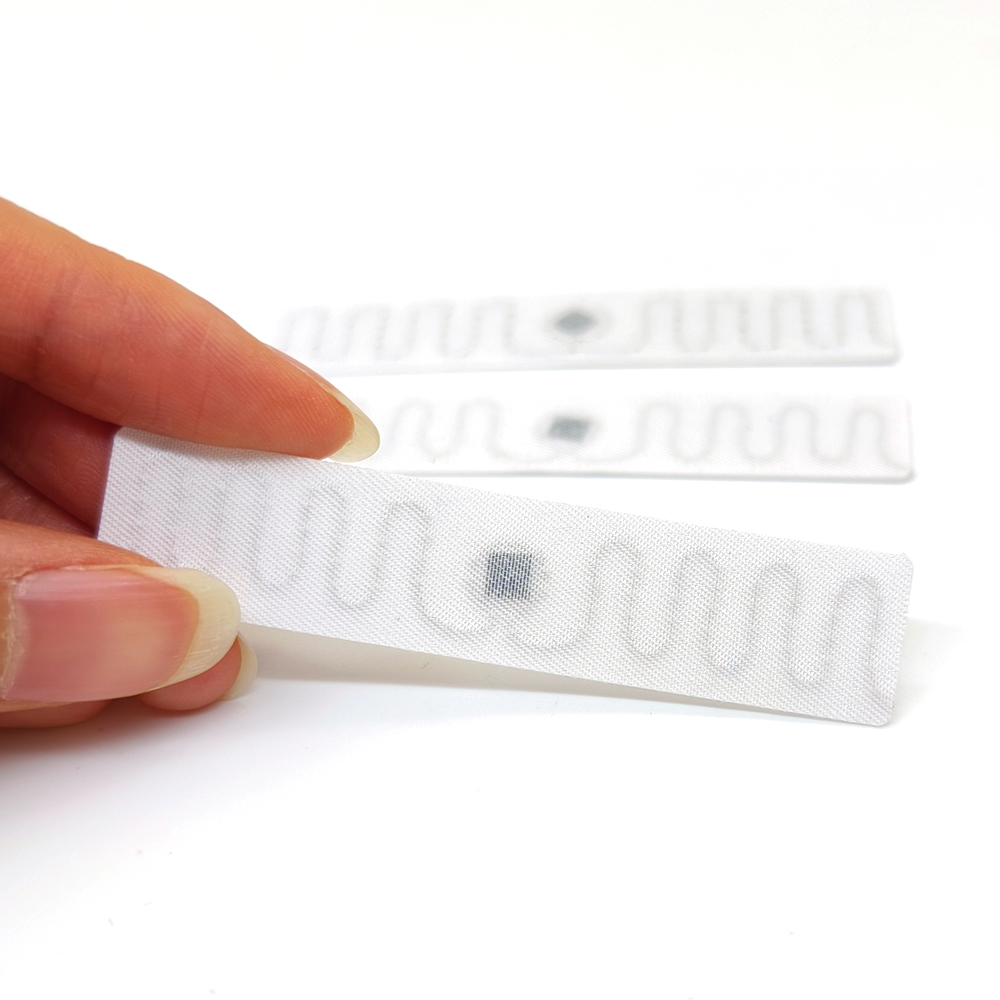
Key Features High-Temperature and High-Pressure Resistance The page states that the tag can withstand ironing conditions of 85°C for 60 minutes, 120°C for 10 minutes, 150°C for 4 minutes, and 180°C for 10 seconds under 4 bar pressure. Long-Range RFID Reading The stated reading distance is up to 3 meters. Flexible Textile Construction The tag uses a flexible textile substrate, making it suitable for integration into washable textile items. Durable Data Storage The chip supports 100,000 write cycles and 10 years of data retention. High Waterproof Protection The page states an IP69K protection level and resistance to 25 bar high-pressure washing. Chemical Resistance The page states that the encapsulation can withstand pH 1–13 environments.
Read MoreHi! Click one of our members below to chat on
 en
en 


 IPv6 network supported