

A Five-Minute Guide to RFID: The Tech Revolution Behind the Fashion Industry
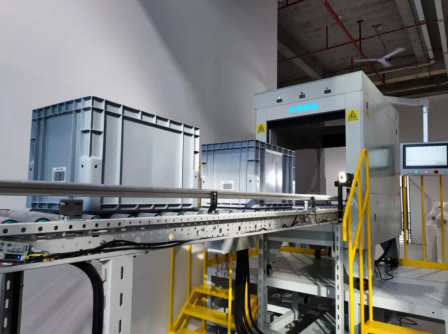
At 8 a.m., as sunlight breaks through the clouds, the smart warehouse of a fashion brand is already operating at full efficiency. Tens of thousands of garments from the latest season glide along conveyor belts, passing seamlessly through the receiving area via automated equipment directly to sorting. Remarkably, the entire process requires almost no human intervention—each item has an RFID tag containing a microchip that automatically "reports" its identity—style, size, color, and origin—as it passes through specific zones.
This isn’t a scene from science fiction, but a daily application of RFID (Radio Frequency Identification) technology in the modern fashion industry. This system compresses what used to be an 8-hour receiving process into just 90 minutes, while boosting accuracy from around 80% with manual operations to over 99%.
RFID Technology: From Military Secret to Commercial Revolution
The history of RFID technology is much older than most people realize. Its origins can be traced back to the "Identification Friend or Foe" system used by the British Royal Air Force during World War II—expensive and reserved for military use at the time. Who could have imagined that this technology, born amidst the sounds of war, would experience explosive growth in the 21st-century wave of the Internet of Things?
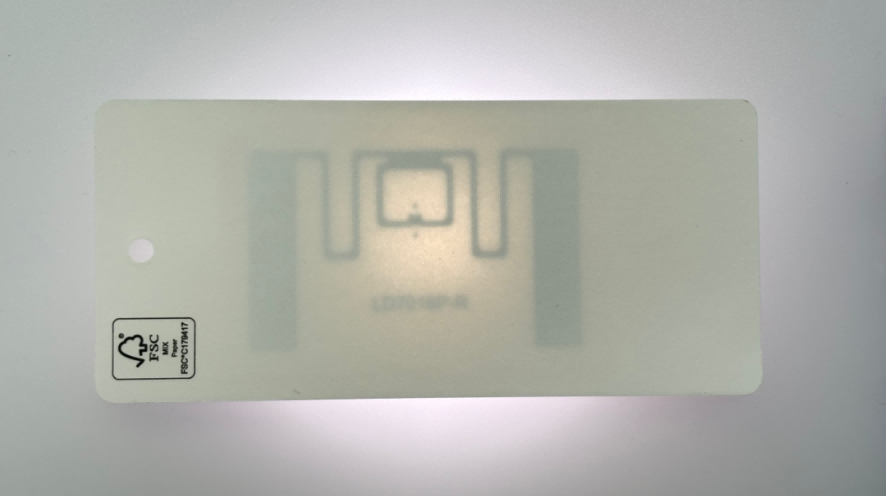
Initially, due to the cost of attaching an RFID tag to every item, only a few luxury and high-end brands could justify the investment. In recent years, as the technology matured and chip costs fell, RFID tags have evolved from an exclusive technology for luxury brands to standard infrastructure for fast fashion.
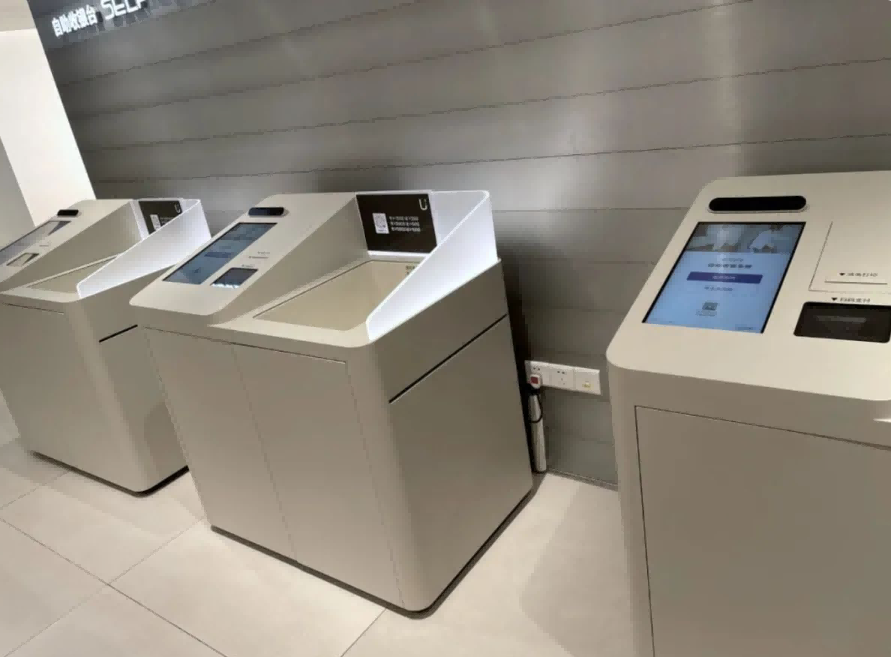
Today, some apparel brands have even implemented unattended checkout in stores. Customers can go to the counter to scan multiple items and complete payment themselves—all powered by RFID technology in the background
How RFID Enables "Silent Conversation"
The ingenuity of an RFID system lies in its "contactless dialogue." Each RFID tag acts like a miniature radio transponder. When it enters the electromagnetic field of an RFID reader, the tag's antenna receives energy, activating the chip, which then transmits its stored data back via radio waves.
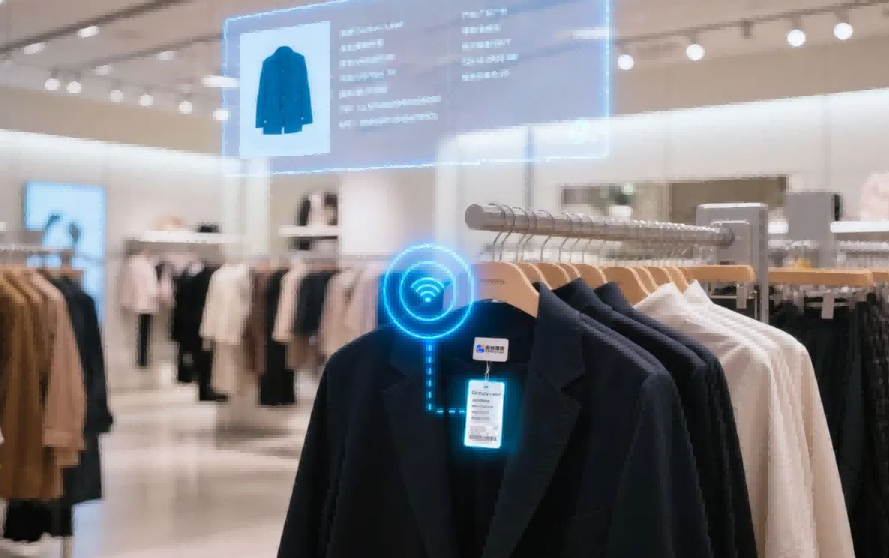
Compared to traditional barcodes, RFID technology achieves three major breakthroughs:
No line-of-sight required; it can read through packaging.
Batch identification of hundreds of items per second.
Each chip stores a globally unique identifier and can communicate via its antenna.
It’s like giving each product a "digital ID" that can "speak," allowing items to actively "report" their status at every node in the supply chain.
The Digital Dilemma and Dawn of the Fashion Industry
The fashion industry is characterized by high SKU complexity (a single brand can launch tens of thousands of new SKUs per season), strong seasonal fluctuations, and high online return rates—challenges that have caused many digital solutions to fall short. One brand tried managing inventory with traditional barcodes, only to find a discrepancy rate still as high as 8% at the end of the season.

It was precisely these pain points that led the industry to re-evaluate the value of RFID—it not only solves the problem of inventory visibility but also reshapes the entire supply chain's responsiveness.
After 2020, RFID reached an inflection point in fashion. Brands that had already adopted RFID discovered that when deployed across the entire chain—from factories and warehouses to stores—it created a stunning synergistic effect: a 30% improvement in inventory turnover, a 25% reduction in stockouts, and a tripling of counting efficiency. More crucially, it broke down data silos between online and offline channels. When a customer checks out in-store, RFID data feeds back to the backend system in real time, enabling intelligent stock transfers. This "omnichannel integration" is the core competitiveness of new retail. One women's wear giant, after fully deploying RFID, successfully compressed its product cycle—from design to shelf—to just 15 days.
Looking back from 2025, RFID has evolved from an auxiliary tool in the fashion industry into a foundational infrastructure for digital transformation. It is no longer just about "identification" but about restructuring the entire industry chain. Especially in the age of AI, the real-time data it captures will transform into immediate business insights—this is the true revolution RFID brings to the fashion world.

------------------------------------
Hi! Click one of our members below to chat on
 en
en 


 IPv6 network supported